
No products in the cart.
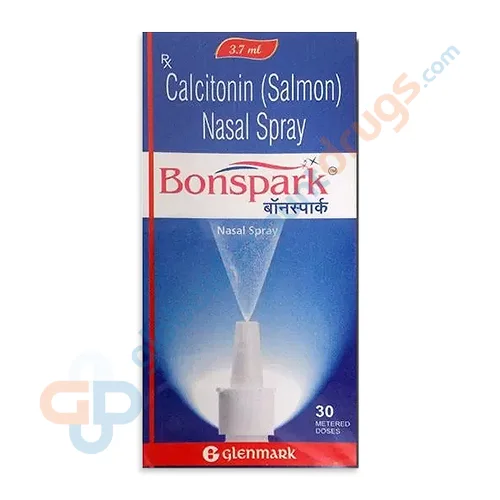
Calcitonin
In StockCalcitonin is a naturally occurring peptide hormone used to treat hypercalcemia, Paget’s disease, and postmenopausal osteoporosis, often administered via injection or nasal spray. It works by opposing the action of parathyroid hormone, primarily by inhibiting osteoclast activity (bone breakdown). This leads to decreased calcium levels in the blood and reduced bone resorption. Calcitonin is a key agent in managing complex bone density and calcium balance disorders.
$58.49 per pill
What is Calcitonin?
Calcitonin is a hormone-based medicine used to treat conditions related to weak or fragile bones. It helps control calcium levels in the body and slows bone loss. This medicine is often prescribed for osteoporosis, Paget’s disease, and high calcium levels caused by certain illnesses. Calcitonin is available as a nasal spray and injectable solution, making it helpful for patients who need simple, non-oral treatment options.
Calcitonin used for
Calcitonin is commonly used for:
-
Postmenopausal osteoporosis
-
Paget’s disease of bone
-
High calcium levels (hypercalcemia)
-
Bone pain from fractures or bone turnover disorders
-
Slowing bone loss in patients at risk of fractures
It supports bone strength and helps maintain calcium balance.
Chemical composition
Most forms of Calcitonin used in medicine contain salmon calcitonin, a synthetic version of the natural hormone. It is designed to act like the calcitonin produced by the human thyroid gland. The composition varies by formulation:
-
Nasal spray: contains salmon calcitonin with preservatives and stabilizers
-
Injection: includes salmon calcitonin in a sterile solution
Calcitonin mechanism
Calcitonin works by reducing the activity of osteoclasts—the cells responsible for breaking down bone. When bone breakdown slows, calcium stays inside the bones, improving strength and density. It also lowers excessive calcium levels in the blood by increasing calcium excretion through the kidneys.
How it helps with bone-related conditions
Calcitonin helps the body regain balance between bone formation and bone breakdown. In osteoporosis, bone becomes weak and brittle, making fractures more likely. This medicine stabilizes bone turnover, reduces pain from bone changes, and supports long-term bone health. In conditions like Paget’s disease, it helps control abnormal bone remodeling and reduces symptoms such as bone pain and deformity.
What are the other Benefits?
-
Helps relieve acute bone pain
-
Offers non-oral treatment for patients who cannot take tablets
-
Useful in emergency treatment for high calcium levels
-
May improve mobility in osteoporosis patients
-
Can be used along with calcium and vitamin D supplements for better results
Dosages
Available strengths or dosage
Calcitonin is available in the following forms:
-
Nasal spray: 200 IU per spray
-
Injection (subcutaneous or intramuscular): 100 IU per mL
-
Multidose vials or prefilled syringes, depending on the brand
Your healthcare provider will choose the right form based on your medical condition.
How and when to take it
Nasal Spray:
-
Use one spray once daily, alternating nostrils to prevent irritation
-
Blow your nose gently before use
-
Clean the spray tip after each dose
Injection:
-
Usually given once daily or every other day
-
Can be injected under the skin or into muscle
-
Must be administered by a healthcare professional or trained caregiver
General instructions:
-
Keep a consistent schedule for best results
-
Use adequate calcium and vitamin D as recommended
-
Store nasal spray upright and refrigerate injections unless stated otherwise
Overdose caution
Using too much Calcitonin may cause:
-
Nausea
-
Vomiting
-
Low calcium levels (hypocalcemia)
-
Muscle cramps
-
Tingling in hands or feet
Seek medical advice if these symptoms appear. Avoid mixing multiple bone medications without approval.
Who can use/take Calcitonin?
Calcitonin can be used by:
-
Postmenopausal women with osteoporosis
-
Adults diagnosed with Paget’s disease
-
Patients with high calcium levels who need quick correction
-
Individuals who cannot tolerate oral osteoporosis medicines
People who should use caution or seek a doctor’s advice first:
-
Pregnant or breastfeeding women
-
Individuals allergic to salmon or fish proteins
-
Patients with low calcium levels
-
Children and adolescents (not routinely recommended)
-
People with chronic kidney disease
-
Individuals with nasal problems (if using a nasal spray)
Calcitonin: Side Effects & Precautions
What are the side effects?
Common side effects may include:
-
Nasal irritation or dryness (for nasal spray)
-
Runny nose or mild nosebleeds
-
Headache
-
Back pain
-
Joint or muscle pain
-
Nausea
-
Skin redness at the injection site
Less common but serious side effects:
-
Allergic reactions
-
Swelling of the face or tongue
-
Difficulty breathing
-
Severe hypocalcemia
Contact your doctor if symptoms worsen or become bothersome.
What are the Precautions to avoid side effects?
-
Perform an allergy test if you are sensitive to fish or salmon products
-
Rotate nostrils daily to reduce irritation
-
Do not exceed the prescribed dose
-
Take vitamin D and calcium supplements if recommended
-
Monitor bone density regularly during long-term treatment
-
Avoid smoking and excessive alcohol, as they weaken bones
-
Report persistent nosebleeds or breathing discomfort
Always consult your doctor before starting treatment. If prescribed, you can order Calcitonin nasal spray or injection online from trusted pharmacy sources and get timely refills for proper management of osteoporosis and related bone conditions.
$58.49 – $71.49 per pill


