No products in the cart.
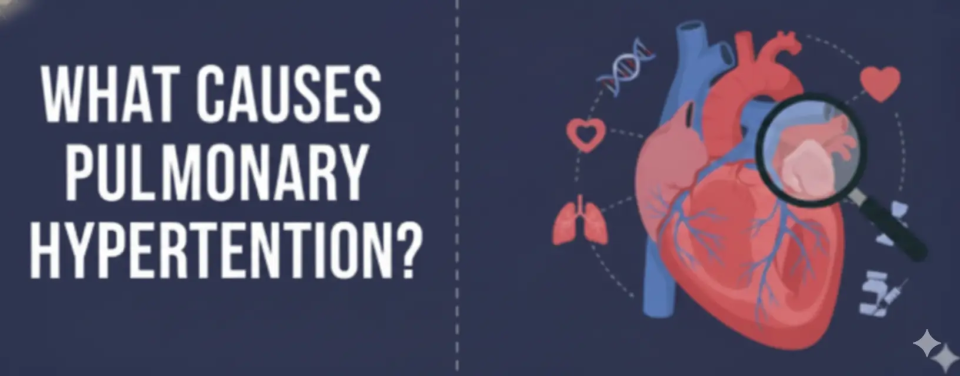

Pulmonary hypertension harms the lung vessels and the right side of the heart. Many people first hear the name only after they feel symptoms – the illness feels sudden plus frightening. The first question is usually – what starts it? The reply is not short, because many different triggers exist. Some build up for years. Others appear fast when another illness is present. A few people develop it with no visible cause.
Knowing the trigger is the key to control. Once the cause is clear, the reasons for each treatment plan and for daily habits that protect heart but also lung health also become clear.
This plain guide lists every main trigger, the five official groups of pulmonary hypertension, the usual risk factors, the signs and the way the illness shapes long term health. It also explains how doctors reach a diagnosis, how they treat it as well as what alters life expectancy. After reading you will see the full picture and the steps that improve outlook.
Pulmonary hypertension occurs when the vessels inside the lungs turn narrow, stiff or clogged. Pressure inside them rises. The right side of the heart, which pumps blood to the lungs, must push harder. With time the extra load weakens the heart or leads to short breath, dizziness and fatigue.
This condition is not the same as regular high blood pressure. A person can have normal blood pressure everywhere else in the body but still have high pressure inside the lung arteries. That is why pulmonary hypertension needs its own diagnosis, tests, and treatment plan.
Before looking at the exact causes, it helps to understand the types of pulmonary hypertension, because each type develops for different reasons.
Doctors usually divide pulmonary hypertension into five main groups. Each group includes different causes, triggers, and patterns. This classification helps doctors decide the right treatment and understand how the condition may progress.
This type involves direct changes to the small arteries inside the lungs. The walls tighten, thicken, or become inflamed. Sometimes the vessel can scar or close off. PAH can be idiopathic, meaning it happens without a known cause. It may also run in families or occur because of other diseases like connective tissue disorders.
This is the most common type. When the left side of the heart cannot pump blood properly, blood backs up into the lungs. This increased pressure travels into the lung arteries and raises pulmonary pressure. Heart valve problems and long-term high blood pressure in the body can also lead to this form.
Chronic lung conditions like COPD, asthma, or pulmonary fibrosis can damage lung tissue. When lung tissue is damaged, blood vessels also suffer. Long-term exposure to low oxygen, such as from sleep apnea or living at high altitude, can also cause pressure to rise.
This type results from clots that do not dissolve fully. They block blood flow and force the heart to work harder. Over time, these clots lead to long-term high pressure inside the lungs.
This includes a wide mix of causes like kidney disease, thyroid disease, blood disorders, metabolic problems, or certain infections. Some medications, especially appetite-suppressant drugs, have also been linked to this type.
Understanding the types of pulmonary hypertension helps you see why one person’s cause may be very different from another’s. Each type involves different processes inside the body, and this affects both treatment and long-term outlook.
Now that we have outlined the main categories, let us look closely at the specific causes behind pulmonary hypertension. These causes differ from person to person, and some people may have more than one factor involved.
Heart problems are one of the largest contributors to pulmonary hypertension. When the left side of the heart becomes weak or stiff, it cannot handle blood efficiently. This backs up blood into the lungs, which increases pressure.
Common heart-related causes include:
These problems lead to a chain reaction. The left side struggles, pressure increases inside the lungs, and the right side must pump harder. Over time, the right side also weakens, and symptoms appear.
Lung disorders can also lead to pulmonary hypertension because the lungs and their blood vessels function together. When lung tissue becomes stiff, damaged, or inflamed, the vessels inside them also undergo stress.
Common lung-related causes include:
Low oxygen levels caused by lung disease make blood vessels narrow. When this happens for many years, the narrowing becomes permanent.
Low oxygen levels can stress the blood vessels inside the lungs. When oxygen levels drop, blood vessels tighten as a natural response. Over time, this tightness turns into chronic high pressure.
Low oxygen may come from:
Sleep apnea is one of the most overlooked causes because many people do not realize their oxygen drops at night.
Some people develop blood clots in the lungs that do not clear completely. These clots turn into scar tissue and block blood flow. The heart must push harder to move blood through the lungs, which raises pressure.
This condition is known as chronic thromboembolic pulmonary hypertension. It can develop after a single large pulmonary embolism or after repeated smaller clots.
Some autoimmune disorders can trigger inflammation that affects blood vessels in the lungs.
These include:
Inflammation damages the inner lining of blood vessels, causing swelling, narrowing, and scarring.
Liver failure causes major changes in blood flow and hormone levels. The pressure in the portal vein rises, and this can also raise pressure in lung vessels. This form is called portopulmonary hypertension.
HIV does not directly cause pulmonary hypertension, but it triggers inflammation and immune changes that affect the lungs and heart. People with untreated HIV or advanced infection face higher risk.
Some people inherit a gene that makes blood vessel walls inside the lungs grow abnormally or become too thick. Even in families where only one parent carries the gene, the risk increases.
This is seen in heritable pulmonary arterial hypertension. Symptoms often appear in young adults, but they can show up at any age.
Some babies are born with structural heart problems that allow blood to flow abnormally between the heart chambers. Over time, this changes the pressure inside the lungs.
Common defects include:
If these defects are not corrected at the right time, pulmonary hypertension can develop later.
Some medicines have been linked to pulmonary hypertension, especially older weight-loss drugs. Other triggers include exposure to toxins like methamphetamine. Although rare, these causes must be taken seriously.
In many cases, no clear reason is found. The condition appears without a trigger. This is known as idiopathic pulmonary arterial hypertension, and it requires special evaluation because the symptoms often progress faster.
Some factors do not directly cause pulmonary hypertension but make a person more likely to develop it.
Understanding these risk factors can encourage early testing and treatment.
Pulmonary hypertension often starts silently. People may not notice anything in the early stages. As pressure rises, symptoms show up slowly.
The most common symptoms include:
Because these symptoms look similar to asthma, anxiety, or regular heart problems, many people receive a diagnosis late.
Diagnosis requires multiple tests because doctors need to understand both the pressure levels and the cause.
The goal is to identify the exact type so that the treatment matches the cause.
Treatment aims to reduce pressure inside the lungs, support the right side of the heart, and manage the underlying cause.
Early treatment improves quality of life and reduces complications.
Many people want to know how pulmonary hypertension affects long-term health. Pulmonary hypertension life expectancy depends on several factors:
With modern treatment, many people live longer and maintain an active lifestyle. Early diagnosis, healthy habits, and regular follow-ups make a big difference in long-term outcomes.
Managing this condition requires long-term care. Healthy routines help lower symptoms and protect the heart.
Small daily habits have a large impact on how well the body handles pressure changes inside the lungs.
Pulmonary hypertension is a serious condition, but understanding the cause makes it easier to manage. When you know what causes pulmonary hypertension, you can take the right steps toward diagnosis, treatment, and lifestyle changes. The condition has many triggers, ranging from heart problems to lung disease, blood clots, infections, genetics, and sometimes unknown factors. By identifying the exact type and cause, doctors can create a plan that improves long-term health and supports better quality of life.
The journey may feel overwhelming at first, but early care, healthy habits, and awareness of symptoms make a real difference. With the right support, many people live full and active lives even with this condition.

Kevin P draws on 10+ years of health expertise to share actionable wellness tips. He focuses on making health achievable for everyone.

We, at the Global Discount Drugs, pride ourselves in placing our customers’ privacy high on our list of priorities. At every step, we make sure our customers’ privacy is protected and their personal information is kept confidential. These are the policies that we follow when we gather, use, maintain and protect personal information from our customers:
At the Global Discount Drugs, we only collect relevant and necessary information that we need to carry out our customers’ orders. This includes the following:
It is fully left to the discretion of our customers whether or not they chose to provide us with this information and how much information they provide us with. However, we make recommendations based on the information that they provide and it becomes difficult for us to suggest alternatives if we have not been given adequate information. We may even request additional information in case we are not able to carry out the request based on the information provided. We also maintain a file on our customers on their personal information that our customers can update from time to time.
We collect personal information from our customers in order to serve them better and quickly and effectively provide them with the appropriate services they require.
Customers’ consent is always taken before making use of their personal information. We only use their personal information for the purposes that we disclose to them.
Customers’ personal information is shared with an outside source only under the following circumstances:
Only in some cases such as when it comes to employing legal methods to collect a delinquent account, a medical emergency or suspicion of illegal activities do we legally access and disclose our customers’ personal information.
At the Global Discount Drugs, we employ very strict security measures to ensure that our customers’ personal information is protected against inappropriate use, disclosure or alteration.
We employ the latest technology to maintain high security standards and restrict access to electronic flies containing our customers’ data. Our firewall infrastructure is strictly adhered to and we regularly update our security settings.
Customer information stored in paper based files is kept in restricted areas and only authorized employees are allowed to access them. All our employees sign confidentiality agreements when they join our organization which binds them to follow our strict privacy policies and procedures. They are strictly forbidden from accessing customer information without the appropriate authorization and may even be dismissed in case they, in any way, compromise our customers’ privacy.
It is highly important for our customers to keep their personal information up-to-date as we, at the Global Discount Drugs, make recommendations and decisions based on the information that our customers provide us.
Customers can access and modify their information in case they wish to make any changes or corrections in case of a clerical error on our part. Once the customer informs us about the incorrect or old information in their file, we carry out the necessary changes. We also make these changes known to any other parties who we may have passed the incorrect information onto.
Any queries that our customers may have regarding our privacy policies and procedures can be directed towards our Privacy official at the following mail id: webmaster@globaldiscountdrugs.com
From time to time, additions, insertions and modifications may be made to the existing policy. If and when changes are made in our privacy policy and procedures, our customers can come to know about it by referring to the modification date found at the bottom of the Global Discount Drugs privacy policy web page.


