How to Use Tretinoin: A Complete Guide for Safe and Effective Results
-
Written By:
Kevin P
-
December 11, 2025
-
Medically Reviewed By
Dr. Nick I – General Practitioner & Medical Author
| Last Reviewed: January 8, 2026
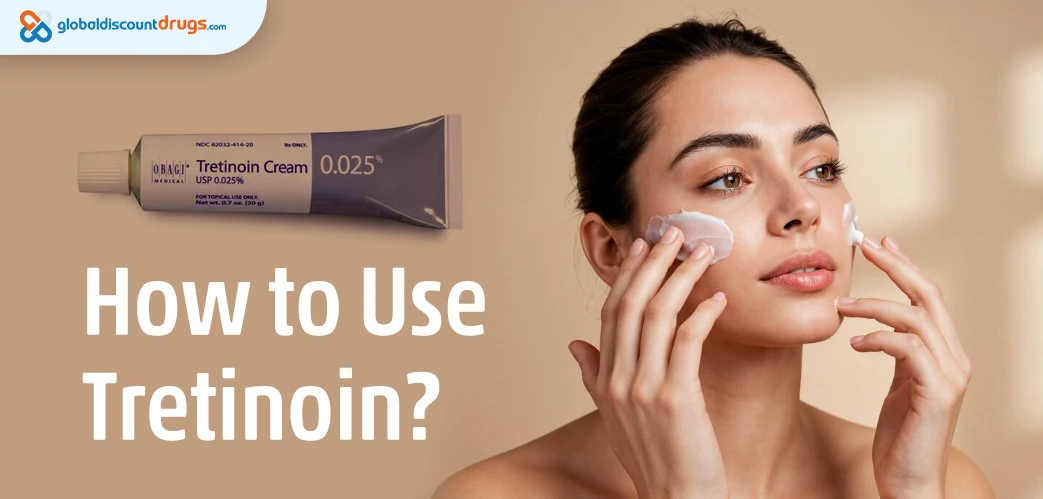
Tretinoin is a prescription-strength topical medication widely used for treating acne, reducing fine lines, and improving skin texture. If you are wondering how to use Tretinoin, this guide will walk you through its dosages, application tips, precautions, and expected results. Whether you are considering buying Tretinoin cream 0.025 or ordering Tretinoin gel 0.04 online, understanding proper usage is key to achieving the best outcome.
What is Tretinoin?
Tretinoin is a derivative of vitamin A, commonly prescribed in cream or gel form. It works by increasing skin cell turnover, unclogging pores, and stimulating collagen production. Tretinoin is available in various strengths to suit different skin conditions and tolerance levels:
- Tretinoin Cream 0.005% – ideal for sensitive or beginner users.
- Tretinoin Cream 0.025% – moderate strength for acne and early signs of aging.
- Tretinoin Gel 0.01% – lightweight gel for oily or combination skin.
- Tretinoin Gel 0.025% – slightly stronger gel for persistent acne or mild wrinkles.
- Tretinoin Gel 0.04% – high-strength option for more severe skin concerns.
Step-by-Step Guide: How to Use Tretinoin
Using Tretinoin correctly ensures effectiveness while minimizing side effects such as irritation or dryness.
Cleanse Your Skin Gently
Start with a mild, non-comedogenic cleanser. Avoid harsh scrubs or exfoliants as Tretinoin makes your skin more sensitive. Pat your skin dry with a soft towel before applying the product.
Apply a Pea-Sized Amount
Regardless of the dosage, a pea-sized amount is sufficient for the entire face. Applying more will not accelerate results but may increase irritation. Dot Tretinoin on the forehead, cheeks, chin, and nose before spreading evenly.
Start Slowly
Begin with 2–3 times per week if you are using a higher strength like Tretinoin Gel 0.04%. For milder formulations such as Tretinoin Cream 0.005%, daily use is usually safe. Gradually increase frequency based on skin tolerance.
Focus on Target Areas
For acne, apply directly to affected regions. For anti-aging purposes, spread evenly across fine lines and uneven skin texture. Avoid applying near the eyes, nostrils, and lips.
Moisturize and Protect
Tretinoin can cause dryness and peeling, especially in the initial weeks. Use a lightweight moisturizer after application. Always apply broad-spectrum sunscreen during the day as Tretinoin increases sun sensitivity.
Tips for Effective Use
- Consistency is Key: Visible results usually appear in 8–12 weeks. Do not discontinue early if improvements are slow.
- Avoid Combining with Harsh Products: Stay away from chemical peels, strong exfoliants, or benzoyl peroxide when using Tretinoin to prevent irritation.
- Use at Night: Tretinoin breaks down in sunlight, so nighttime application is recommended.
- Monitor Skin Reactions: Mild redness or peeling is normal initially, but severe irritation warrants consulting a dermatologist.
Choosing the Right Tretinoin Dosage
Selecting the correct dosage depends on your skin type and condition severity:
- Tretinoin Cream 0.005% – Best for beginners or sensitive skin. Helps improve mild acne and prevents early signs of aging.
- Tretinoin Cream 0.025% – Suitable for moderate acne and early wrinkles. Ideal for users who have tolerated lower doses.
- Tretinoin Gel 0.01% – Perfect for oily skin prone to breakouts. Gel formulation is lighter and absorbs quickly.
- Tretinoin Gel 0.025% – Recommended for persistent acne, rough texture, and minor pigmentation issues.
- Tretinoin Gel 0.04% – High-strength treatment for severe acne or pronounced fine lines. Requires strict dermatologist supervision.
Expected Results
When used correctly, Tretinoin can:
- Reduce the occurrence of pimples, blackheads, and whiteheads.
- Smooth fine lines and wrinkles over time.
- Improve skin tone and reduce dark spots.
- Enhance overall skin texture and elasticity.
Patience is essential—results vary by individual, and early signs of dryness or irritation are common. Most users see noticeable improvement in 8–12 weeks of consistent use.
Common Side Effects
Some temporary side effects may occur:
- Redness and peeling
- Mild burning or stinging
- Dryness and flaking
These usually subside as your skin adjusts. Using a gentle moisturizer and reducing application frequency can help manage these effects.
Conclusion
Understanding how to use Tretinoin properly is essential to achieve clear, smooth, and youthful skin. Start with the right dosage, apply consistently at night, and protect your skin from sun exposure. Whether you are new to Tretinoin or switching to a higher strength, following these guidelines will help you maximize results while minimizing side effects.
Always consult a dermatologist before starting Tretinoin, especially if you have sensitive skin or other skin conditions. If prescribed, you can buy Tretinoin Gel online safely from trusted sources, ensuring you maintain a steady supply for consistent treatment.
Related Blogs
Pigmentation Tretinoin Before and After
How does Tretinoin help with Acne Scars?
Kevin P draws on 10+ years of health expertise to share actionable wellness tips. He focuses on making health achievable for everyone.
Dr. Nick I – General Practitioner & Medical Author | Last Reviewed: January 8, 2026
Tretinoin is a prescription-strength topical medication widely used for treating acne, reducing fine lines, and improving skin texture. If you are wondering how to use Tretinoin, this guide will walk you through its dosages, application tips, precautions, and expected results. Whether you are considering buying Tretinoin cream 0.025 or ordering Tretinoin gel 0.04 online, understanding proper usage is key to achieving the best outcome.
What is Tretinoin?
Tretinoin is a derivative of vitamin A, commonly prescribed in cream or gel form. It works by increasing skin cell turnover, unclogging pores, and stimulating collagen production. Tretinoin is available in various strengths to suit different skin conditions and tolerance levels:
- Tretinoin Cream 0.005% – ideal for sensitive or beginner users.
- Tretinoin Cream 0.025% – moderate strength for acne and early signs of aging.
- Tretinoin Gel 0.01% – lightweight gel for oily or combination skin.
- Tretinoin Gel 0.025% – slightly stronger gel for persistent acne or mild wrinkles.
- Tretinoin Gel 0.04% – high-strength option for more severe skin concerns.
Step-by-Step Guide: How to Use Tretinoin
Using Tretinoin correctly ensures effectiveness while minimizing side effects such as irritation or dryness.
Cleanse Your Skin Gently
Start with a mild, non-comedogenic cleanser. Avoid harsh scrubs or exfoliants as Tretinoin makes your skin more sensitive. Pat your skin dry with a soft towel before applying the product.
Apply a Pea-Sized Amount
Regardless of the dosage, a pea-sized amount is sufficient for the entire face. Applying more will not accelerate results but may increase irritation. Dot Tretinoin on the forehead, cheeks, chin, and nose before spreading evenly.
Start Slowly
Begin with 2–3 times per week if you are using a higher strength like Tretinoin Gel 0.04%. For milder formulations such as Tretinoin Cream 0.005%, daily use is usually safe. Gradually increase frequency based on skin tolerance.
Focus on Target Areas
For acne, apply directly to affected regions. For anti-aging purposes, spread evenly across fine lines and uneven skin texture. Avoid applying near the eyes, nostrils, and lips.
Moisturize and Protect
Tretinoin can cause dryness and peeling, especially in the initial weeks. Use a lightweight moisturizer after application. Always apply broad-spectrum sunscreen during the day as Tretinoin increases sun sensitivity.
Tips for Effective Use
- Consistency is Key: Visible results usually appear in 8–12 weeks. Do not discontinue early if improvements are slow.
- Avoid Combining with Harsh Products: Stay away from chemical peels, strong exfoliants, or benzoyl peroxide when using Tretinoin to prevent irritation.
- Use at Night: Tretinoin breaks down in sunlight, so nighttime application is recommended.
- Monitor Skin Reactions: Mild redness or peeling is normal initially, but severe irritation warrants consulting a dermatologist.
Choosing the Right Tretinoin Dosage
Selecting the correct dosage depends on your skin type and condition severity:
- Tretinoin Cream 0.005% – Best for beginners or sensitive skin. Helps improve mild acne and prevents early signs of aging.
- Tretinoin Cream 0.025% – Suitable for moderate acne and early wrinkles. Ideal for users who have tolerated lower doses.
- Tretinoin Gel 0.01% – Perfect for oily skin prone to breakouts. Gel formulation is lighter and absorbs quickly.
- Tretinoin Gel 0.025% – Recommended for persistent acne, rough texture, and minor pigmentation issues.
- Tretinoin Gel 0.04% – High-strength treatment for severe acne or pronounced fine lines. Requires strict dermatologist supervision.
Expected Results
When used correctly, Tretinoin can:
- Reduce the occurrence of pimples, blackheads, and whiteheads.
- Smooth fine lines and wrinkles over time.
- Improve skin tone and reduce dark spots.
- Enhance overall skin texture and elasticity.
Patience is essential—results vary by individual, and early signs of dryness or irritation are common. Most users see noticeable improvement in 8–12 weeks of consistent use.
Common Side Effects
Some temporary side effects may occur:
- Redness and peeling
- Mild burning or stinging
- Dryness and flaking
These usually subside as your skin adjusts. Using a gentle moisturizer and reducing application frequency can help manage these effects.
Conclusion
Understanding how to use Tretinoin properly is essential to achieve clear, smooth, and youthful skin. Start with the right dosage, apply consistently at night, and protect your skin from sun exposure. Whether you are new to Tretinoin or switching to a higher strength, following these guidelines will help you maximize results while minimizing side effects.
Always consult a dermatologist before starting Tretinoin, especially if you have sensitive skin or other skin conditions. If prescribed, you can buy Tretinoin Gel online safely from trusted sources, ensuring you maintain a steady supply for consistent treatment.
Related Blogs
Pigmentation Tretinoin Before and After
How does Tretinoin help with Acne Scars?
Kevin P draws on 10+ years of health expertise to share actionable wellness tips. He focuses on making health achievable for everyone.