How Do Allergy Eye Drops Work?
-
Written By:
Kevin P
-
November 27, 2025
-
Medically Reviewed By
Dr. Jacqueline P – General Practitioner
| Last Reviewed: January 7, 2026
If you suffer from itchy, red, or watery eyes, you’re not alone. Millions of people experience eye allergies every year, and finding relief can feel overwhelming. Fortunately, allergy eye drops are a safe and effective solution for soothing irritated eyes. In this guide, we’ll explain how these drops work, the different types available, and tips for getting the best eye allergy relief.
What Are Allergy Eye Drops?
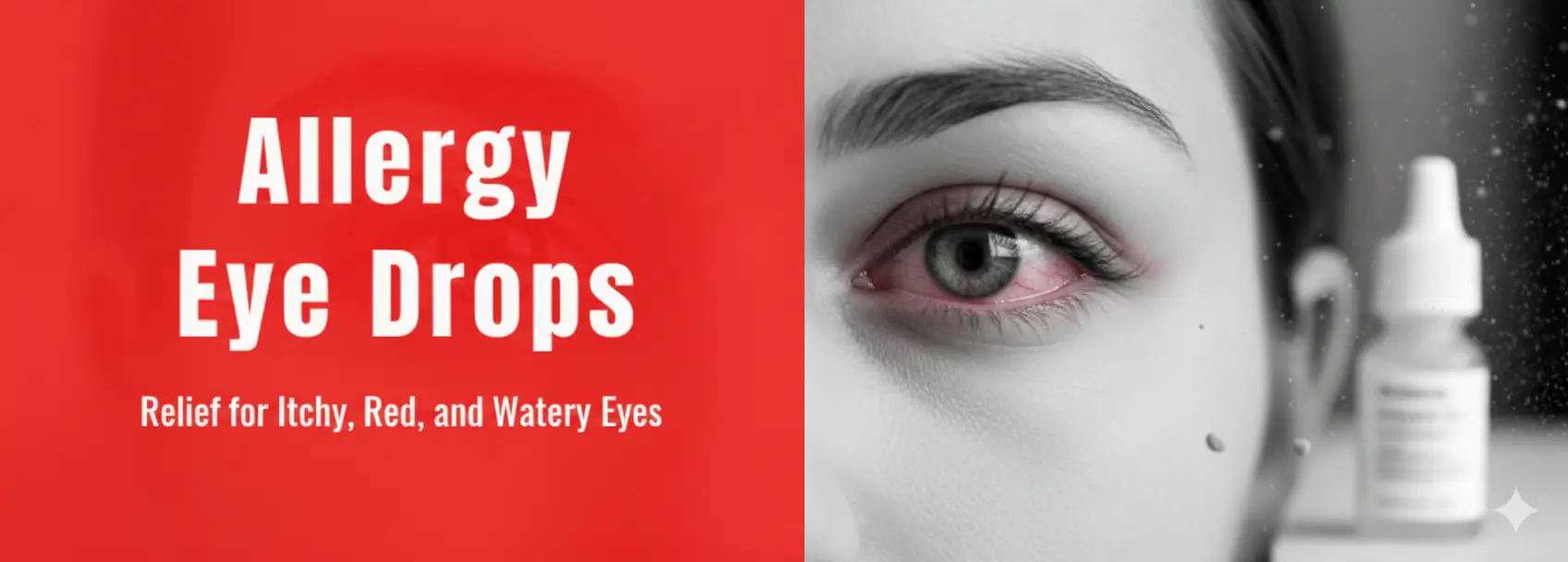
Allergy eye drops are specially formulated solutions designed to reduce the symptoms of eye allergies. Unlike general eye drops, which mainly lubricate the eyes, these drops target the allergic reaction directly, helping to reduce itching, redness, swelling, and irritation.
Common symptoms treated with allergy eye drops include:
-
Itchy eyes
-
Red eyes
-
Watering eyes
-
Swelling eyes
By calming the immune response in your eyes, these drops provide quick and lasting relief.
How Allergy Eye Drops Provide Eye Allergy Relief
There are several types of allergy eye drops, each designed to address specific symptoms:
Antihistamine Eye Drops
These drops block histamines—the chemicals your body releases during an allergic reaction. Antihistamine eye drops are particularly effective for itchy eyes relief and can help reduce red eyes quickly.
Decongestant Eye Drops
Decongestant eye drops reduce redness by shrinking the blood vessels in your eyes. They are best for short-term eye irritation treatment and should not be overused, as prolonged use may worsen irritation.
Mast Cell Stabilizer Eye Drops
These drops prevent allergic reactions before they start. Mast cell stabilizer eye drops are ideal for people with chronic eye allergies or seasonal allergies.
Combination Drops
Some products combine antihistamines and mast cell stabilizers for faster and longer-lasting eye allergy relief.
Lubricating or Artificial Tears
These are non-medicated drops that wash away allergens, reduce watering eyes, and relieve general discomfort.
Who Should Use Allergy Eye Drops?
Anyone experiencing allergy-related eye symptoms can benefit from allergy eye drops. They are particularly useful for people with:
-
Seasonal allergies, such as pollen
-
Pet dander allergies
-
Dust or mold sensitivities
-
Persistent eye irritation or discomfort
Using the right drops can provide relief from itchy eyes, swelling eyes, and other common allergy symptoms.
How to Choose the Right Allergy Eye Drops
When selecting drops, consider the following:
-
Identify your main symptoms – Are your eyes mainly red, itchy, or watering?
-
Choose the type of drop – Antihistamine eye drops for itching, decongestant eye drops for redness, or mast cell stabilizers for long-term prevention.
-
Check for sensitivity – People with sensitive eyes may prefer preservative-free options.
-
Consult an eye-care professional if symptoms persist or worsen.
Tips for Safe Use
Even though allergy eye drops are safe, proper use is essential:
-
Wash your hands before application.
-
Avoid touching the dropper tip to your eyes.
-
Follow the recommended dosage and frequency.
-
Do not share your drops with others.
-
Store drops in a cool, dry place and check expiration dates.
By following these tips, you can maximize relief while protecting your eyes.
FAQs About Allergy Eye Drops
How quickly do allergy eye drops work?
Most antihistamine eye drops provide relief within minutes, while mast cell stabilizer drops prevent symptoms over time.
Can I use decongestant eye drops every day?
No, frequent use can worsen red eyes. They are best for short-term relief.
Can I combine allergy eye drops with other treatments?
Usually yes, but confirm with your doctor to avoid interactions.
Conclusion
Allergy eye drops are a reliable solution for anyone suffering from eye allergies. From antihistamine eye drops for fast relief to mast cell stabilizers for long-term prevention, the right drop can make a big difference. By following safety tips and using drops appropriately, you can enjoy clear, comfortable eyes even during allergy season.
For ongoing eye allergy relief, consider pairing drops with lifestyle adjustments such as reducing exposure to pollen, dust, and pet dander. With the right strategy, itchy eyes, red eyes, and swelling eyes can become a thing of the past.
Referred Sources:
American Academy of Allergy – Eye Allergy Overview (acaai.org)
American Academy of Ophthalmology – Ocular Allergies (aoa.org)
Allergy Foundation of America – Eye Drops for Allergy Symptoms (aafa.org)
WebMD – Eye Allergy Relief (webmd.com)
Kevin P draws on 10+ years of health expertise to share actionable wellness tips. He focuses on making health achievable for everyone.
Dr. Jacqueline P – General Practitioner | Last Reviewed: January 7, 2026
If you suffer from itchy, red, or watery eyes, you’re not alone. Millions of people experience eye allergies every year, and finding relief can feel overwhelming. Fortunately, allergy eye drops are a safe and effective solution for soothing irritated eyes. In this guide, we’ll explain how these drops work, the different types available, and tips for getting the best eye allergy relief.
What Are Allergy Eye Drops?
Allergy eye drops are specially formulated solutions designed to reduce the symptoms of eye allergies. Unlike general eye drops, which mainly lubricate the eyes, these drops target the allergic reaction directly, helping to reduce itching, redness, swelling, and irritation.
Common symptoms treated with allergy eye drops include:
-
Itchy eyes
-
Red eyes
-
Watering eyes
-
Swelling eyes
By calming the immune response in your eyes, these drops provide quick and lasting relief.
How Allergy Eye Drops Provide Eye Allergy Relief
There are several types of allergy eye drops, each designed to address specific symptoms:
Antihistamine Eye Drops
These drops block histamines—the chemicals your body releases during an allergic reaction. Antihistamine eye drops are particularly effective for itchy eyes relief and can help reduce red eyes quickly.
Decongestant Eye Drops
Decongestant eye drops reduce redness by shrinking the blood vessels in your eyes. They are best for short-term eye irritation treatment and should not be overused, as prolonged use may worsen irritation.
Mast Cell Stabilizer Eye Drops
These drops prevent allergic reactions before they start. Mast cell stabilizer eye drops are ideal for people with chronic eye allergies or seasonal allergies.
Combination Drops
Some products combine antihistamines and mast cell stabilizers for faster and longer-lasting eye allergy relief.
Lubricating or Artificial Tears
These are non-medicated drops that wash away allergens, reduce watering eyes, and relieve general discomfort.
Who Should Use Allergy Eye Drops?
Anyone experiencing allergy-related eye symptoms can benefit from allergy eye drops. They are particularly useful for people with:
-
Seasonal allergies, such as pollen
-
Pet dander allergies
-
Dust or mold sensitivities
-
Persistent eye irritation or discomfort
Using the right drops can provide relief from itchy eyes, swelling eyes, and other common allergy symptoms.
How to Choose the Right Allergy Eye Drops
When selecting drops, consider the following:
-
Identify your main symptoms – Are your eyes mainly red, itchy, or watering?
-
Choose the type of drop – Antihistamine eye drops for itching, decongestant eye drops for redness, or mast cell stabilizers for long-term prevention.
-
Check for sensitivity – People with sensitive eyes may prefer preservative-free options.
-
Consult an eye-care professional if symptoms persist or worsen.
Tips for Safe Use
Even though allergy eye drops are safe, proper use is essential:
-
Wash your hands before application.
-
Avoid touching the dropper tip to your eyes.
-
Follow the recommended dosage and frequency.
-
Do not share your drops with others.
-
Store drops in a cool, dry place and check expiration dates.
By following these tips, you can maximize relief while protecting your eyes.
FAQs About Allergy Eye Drops
How quickly do allergy eye drops work?
Most antihistamine eye drops provide relief within minutes, while mast cell stabilizer drops prevent symptoms over time.
Can I use decongestant eye drops every day?
No, frequent use can worsen red eyes. They are best for short-term relief.
Can I combine allergy eye drops with other treatments?
Usually yes, but confirm with your doctor to avoid interactions.
Conclusion
Allergy eye drops are a reliable solution for anyone suffering from eye allergies. From antihistamine eye drops for fast relief to mast cell stabilizers for long-term prevention, the right drop can make a big difference. By following safety tips and using drops appropriately, you can enjoy clear, comfortable eyes even during allergy season.
For ongoing eye allergy relief, consider pairing drops with lifestyle adjustments such as reducing exposure to pollen, dust, and pet dander. With the right strategy, itchy eyes, red eyes, and swelling eyes can become a thing of the past.
Referred Sources:American Academy of Allergy – Eye Allergy Overview (acaai.org)
American Academy of Ophthalmology – Ocular Allergies (aoa.org)
Allergy Foundation of America – Eye Drops for Allergy Symptoms (aafa.org)
WebMD – Eye Allergy Relief (webmd.com)
Kevin P draws on 10+ years of health expertise to share actionable wellness tips. He focuses on making health achievable for everyone.