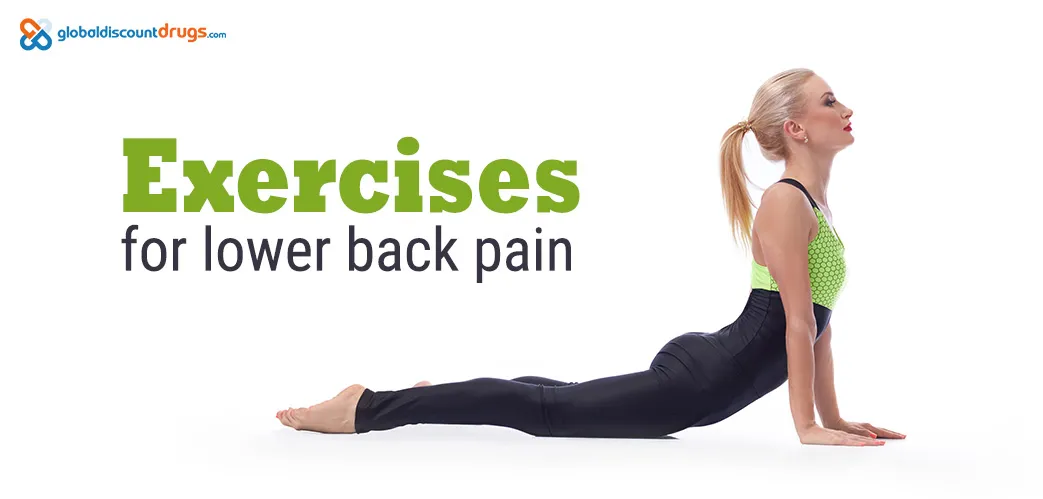
Exercises For Lower Back Pain

Medically Reviewed By

Dr. Nick I – General Practitioner & Medical Author | Last Reviewed: February 5, 2026

Dealing with lower back pain can simply feel like a heavy weight on the daily life. If it is a dull ache from sitting at a desk or a sharp pinch post lifting something heavy, you are not alone. In fact, most people shall further experience some form of back trouble at some point. The good news is that for numerous people, low back pain exercises are known to be one of the most effective ways to find relief and prevents the pain from coming back.  When the back might hurt, the first instinct might be to lie down and simply rest well. While a little rest is okay, staying still for too long can make your muscles stiff and weak. However, gentle movement can all help in keeping the spine flexible and further it hall strengthen the muscles that support your bones. 

Why Movement Helps Back Pain 

Think of the back including a complex bridge. This can help in relying on numerous "cables"—the muscles, tendons, and ligaments that can help you to stay upright. If the cables in the front (your abs) or the back (your spine muscles) get too tight or too weak, the bridge can imply start to sag. As per the relevant sources, performing exercises is highly recommended for chronic back issues as it can help in improving the blood flow and further can help the discs in your spine stay healthy. On performing some of the back pain relief exercises, you are essentially "oiling the joints" and teaching your muscles how to support your weight correctly.

3 Gentle Lower Back Stretches to Start Today 

Before one shall begin, remember never push through sharp pain. Such things can help in following a gentle pull, not a pinch. 
  1. Knee-to-Chest Stretch
This is one of the simplest ways while taking the pressure off the lower spine. 
  • Lie on the back while your knees are bent and feet flat on the floor. 
  • Make sure to use both the hands to pull one knee up toward on the chest. 
  • Hold it for 20 to 30 seconds, which can feel the lower back flatten against the floor. 
  • Switch legs and repeat. 
  1. The Cat-Cow Stretch
This move is just so great for "waking up" while the spine and it shall enhance flexibility. 
  • Get on the hands and knees (tabletop position). 
  • The Cow: Slowly allow the belly to sink toward the floor as you look up slightly. 
  • The Cat: The round your back toward the ceiling, just like a cat stretching, and tuck your chin. 
  • Make sure that you move slowly between these two positions for one minute. 
  1. Child’s Pose
This classic resting position can all help in elongating the back muscles. 
  • Kneel on the floor with those big toes touching and simply sit on the heels. 
  • Fold forward, while reaching the arm out in front of you on the floor. 
  • Rest the forehead on the ground and breathe deeply into your back. 

Strengthening Exercises for Long-Term Relief

Stretching is only about half of the battle. To keep the pain away, one shall need to build a "natural corset" of muscle around your spine. 

The Pelvic Tilt 

It further looks like you are not doing much, but it is a powerhouse for core strength. 
  • Lie on the back with proper knees bent. 
  • Tighten the stomach muscles as if you are pulling the belly button toward your spine. 
  • You should feel your lower back press firmly into the floor. 
  • Hold for 10 seconds and release. Repeat 10 times. 

Bird-Dog

This practical exercise helps in enhancing the balance and stabilizing the spine. 
  • Start on the hands and knees. 
  • Lift your right arm straight out in front of you and your left leg straight out behind you. 
  • Hold for a few seconds, keeping your back flat like a table. 
  • Switch sides.

Safety First: When to Skip the Exercise 

While low back pain exercises are generally safe, your safety is the top priority. This is a "Your Money or Your Life" (YMYL) topic, meaning your health is on the line. You should stop exercising and call a doctor immediately if you experience: 
  • Numbness or Tingling: If you feel "pins and needles" in your legs or groin. 
  • Severe Weakness: If your legs feel like they might give out. 
  • Loss of Bladder Control: This is a medical emergency. 
  • Pain that Wakes You at Night: Intense pain that doesn't stop when you lie down. 
If your pain was caused by a specific injury—like a car accident or a high fall—don't start these exercises until a professional gives you the green light. 

Tips for Success

  1. Be Consistent: Doing five minutes of stretches every day is better than doing 30 minutes once a week. 
  1. Breathe: It sounds simple, but holding your breath makes your muscles tense up. Exhale during the "hard" part of the movement. 
  1. Check Your Shoes: Sometimes back pain starts at the feet. Wear supportive shoes if you are standing a lot. 
  2. Listen to Your Body: There is a difference between "muscle work" and "pain." If it feels wrong, stop.
  Disclaimer:
This content is for general informational purposes only and does not replace medical advice, diagnosis, or treatment. Always consult a licensed physician, orthopedic specialist, or physical therapist before starting any exercise program, especially if you have chronic pain, injury, or underlying health conditions.
Leave a comment

You must be logged in to post a review.

* Comment

* Name

* Email

Web Site

Product was successfully added to your cart!