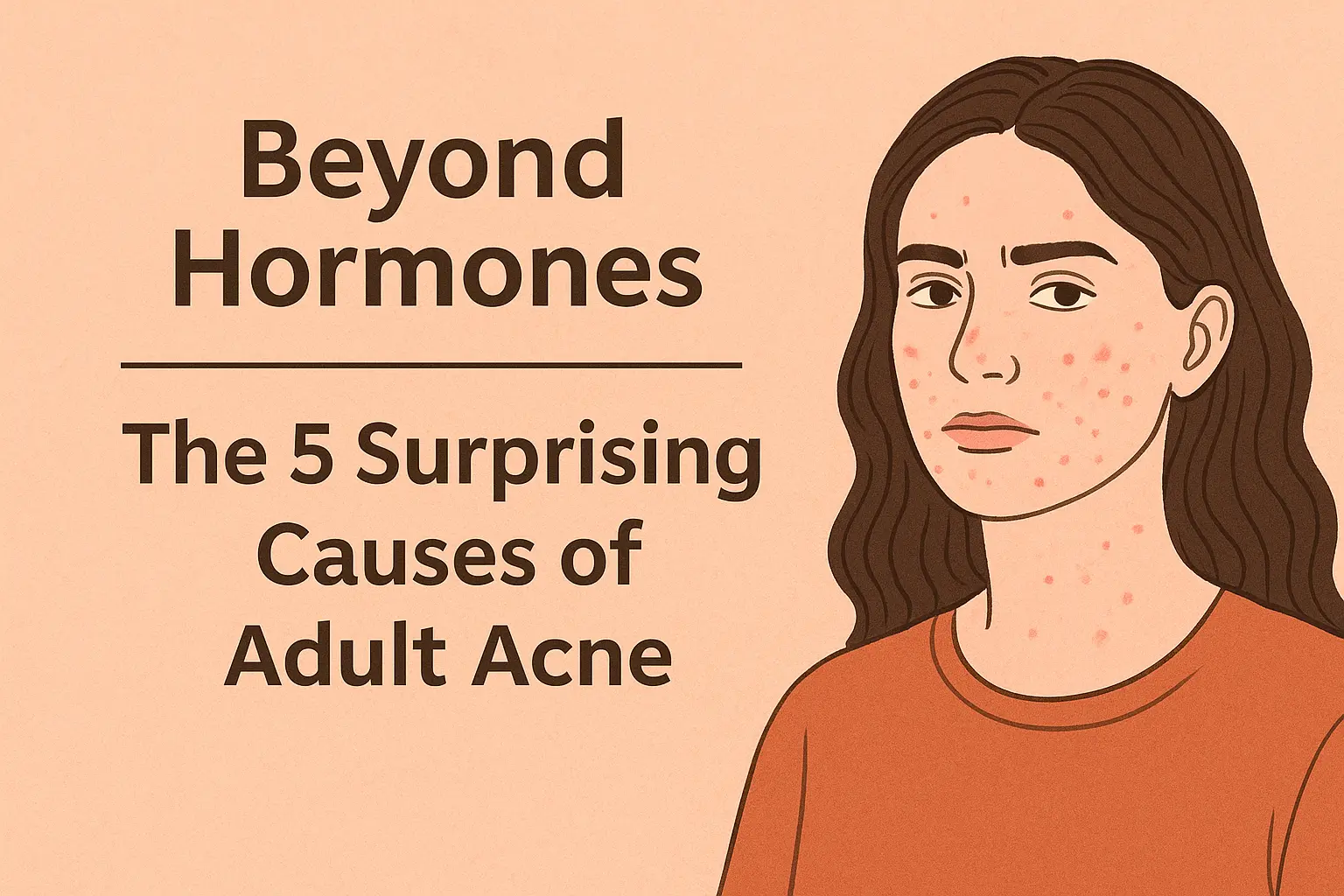
Beyond Hormones: The 5 Surprising Causes of Adult Acne and How to Stop Them
-
Written By:
Kevin P
-
November 5, 2025
-
For many people, acne is supposed to be a problem left behind in high school. Yet, adult-onset acne—defined as acne occurring after the age of 25—is increasingly common and often resistant to standard treatments.
While hormonal fluctuations and genetics are the primary drivers of persistent adult breakouts, many sufferers are shocked to learn that everyday habits and overlooked environmental factors may be sabotaging their skin.
Here are five surprising, non-hormonal causes of adult acne and actionable steps to break the cycle.
Stress, Anxiety, and Cortisol Overload
Stress doesn’t directly cause acne, but it acts as a massive amplifier for underlying issues. When you are under chronic stress, your body releases cortisol (the stress hormone).
The Problem: Cortisol signals the sebaceous glands to produce more sebum (oil). This excess oil becomes a perfect food source for the acne-causing bacteria (P. acnes), leading to congestion and inflammatory breakouts. This acne often appears along the jawline and around the mouth.
The Surprising Culprit: It’s not just major life stress. Constant, low-grade anxiety (e.g., doomscrolling, long work hours, lack of sleep) keeps cortisol levels elevated 24/7.
The Fix:
- Manage Cortisol: Prioritize 7-9 hours of sleep. Even one night of poor sleep can spike cortisol.
- Practice Active De-Stressing: Introduce short, daily, non-negotiable breaks for meditation, deep breathing, or simple walks to lower the baseline stress level.
Physical Friction and Pressure (Acne Mechanica)
Acne Mechanica is a type of acne triggered by heat, friction, and pressure against the skin. While common in athletes, it’s now widespread due to modern accessories.
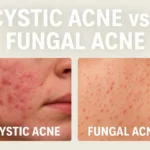
The Problem: Constant rubbing irritates the hair follicles, leading to micro-tears and blockages. The heat and moisture from trapped sweat and breath create a breeding ground for bacteria and yeast (leading to Malassezia Folliculitis, or fungal acne).
The Surprising Culprit:
- Masks: (Maskne) caused by trapped moisture and friction.
- Phones: Pressing a phone screen (which harbors bacteria) against your cheek.
- Hats/Helmets: Friction on the forehead and hairline.
- Backpacks/Straps: Pressure on the shoulders and back.
The Fix:
- Clean Contacts: Wipe down your cell phone daily with an alcohol wipe.
- Use Silk/Satin: Change your pillowcase every 2–3 nights, preferably using a silk or satin material to reduce friction on the face while sleeping.
- Post-Workout: Shower or cleanse the face/body immediately after exercise to remove trapped sweat and oil.
Product Overload and Ingredient Sensitivity
The drive to treat adult acne often leads to an aggressive routine involving too many active ingredients, which paradoxically leads to more breakouts.
The Problem: When you use several strong ingredients like retinol, salicylic acid, and benzoyl peroxide all at once, you compromise your skin’s natural protective barrier. A damaged barrier leads to inflammation, sensitivity, and chronic dryness—all of which make acne worse.
The Surprising Culprit: Occlusive/Pore-Clogging Ingredients in products marketed as non-comedogenic. Even expensive, high-end makeup and moisturizers can contain ingredients like certain waxes, oils, and silicones that block pores.
The Fix:
- Simplify: Strip your routine back to a gentle cleanser, a single active treatment (used 3-4 times per week), and a simple, barrier-repairing moisturizer.
- The Purge Check: When introducing a new active, stick with it for at least 4-6 weeks to distinguish between a temporary “purge” and a bad reaction.
Overlooked Oral Hygiene
Breakouts specifically clustered around the mouth, chin, and lower jawline are often a result of something the skin comes into contact with daily: your oral care products.
The Problem: Many common toothpaste ingredients contain substances that can be highly irritating or allergenic when they contact sensitive skin.
The Surprising Culprit: Fluoride and Sodium Lauryl Sulfate (SLS). These ingredients, particularly the mint flavorings, can cause perioral dermatitis (a bumpy, acne-like rash) or trigger true acne lesions around the lips.
The Fix:
- Rinse Thoroughly: After brushing, ensure you rinse the skin around your mouth and chin thoroughly to remove all toothpaste residue.
- Switch Products: Try switching to a fluoride-free or SLS-free toothpaste for several weeks to see if the perioral breakouts subside.
Hidden Medications and Supplements
Acne can often be an unexpected side effect of medications, particularly those that impact hormones, immunity, or the nervous system.
The Problem: Certain compounds can increase inflammation, increase oil production, or disrupt the natural pH balance of the skin, leading to sudden, treatment-resistant breakouts.
The Surprising Culprit:
- Corticosteroids: Both oral and topical steroids are notorious for triggering “steroid acne,” which looks like small, uniform red bumps.
- Biotin: High-dose B vitamins (especially Biotin, a popular hair/nail supplement) can interfere with how your body absorbs Vitamin B5, which is critical for skin health, leading to new breakouts.
- Iodides/Bromides: Found in some cold medications, supplements, and energy drinks.
The Fix:
- Review Your Intake: Look at all supplements and medications you’ve introduced in the last 3-6 months. Discuss any new or worsening acne with your prescribing doctor to see if a substitute is possible.
- Lower Biotin Dose: If you take Biotin, try lowering the dose or taking a break.
If you suspect any of these surprising causes are at play, addressing the lifestyle and product triggers is often the fastest route to clear skin, even when hormones are involved.
FAQs: Do These Factors Cause Acne?
Does smoking weed cause acne?
- It is unlikely to be a direct cause, but it may worsen existing acne. Possible links include a temporary rise in testosterone (which increases sebum) and behavioral changes (like poor diet choices or neglecting hygiene) that can trigger flare-ups
Does masturbation cause acne?
- No. There is no scientific or medical evidence that masturbation causes acne. Breakouts are linked to hormonal fluctuations, genetics, and bacteria, not sexual activity.
Does sweat cause acne?
- Sweat itself does not cause acne, but it contributes to it. Sweat mixes with dead skin cells, oil, and bacteria on the skin’s surface, clogging pores. If left on the skin, this mixture can trigger a breakout known as Acne Mechanica (especially with friction from clothes or equipment).
Does whey protein cause acne?
- It may for some individuals. Research suggests a correlation, especially in people already prone to acne. Whey protein can raise levels of Insulin-like Growth Factor 1 (IGF-1), a hormone that stimulates sebum (oil) production and rapid skin cell growth, which clogs pores.
Does chocolate cause acne?
- The link is debated, but some studies show a correlation. It is generally believed that the high sugar and dairy content in many chocolates is the true culprit, as these can spike blood sugar (high glycemic index) and lead to inflammation. High-cocoa, dark chocolate is often considered less problematic
Kevin P draws on 10+ years of health expertise to share actionable wellness tips. He focuses on making health achievable for everyone.
For many people, acne is supposed to be a problem left behind in high school. Yet, adult-onset acne—defined as acne occurring after the age of 25—is increasingly common and often resistant to standard treatments.
While hormonal fluctuations and genetics are the primary drivers of persistent adult breakouts, many sufferers are shocked to learn that everyday habits and overlooked environmental factors may be sabotaging their skin.
Here are five surprising, non-hormonal causes of adult acne and actionable steps to break the cycle.
Stress, Anxiety, and Cortisol Overload
Stress doesn’t directly cause acne, but it acts as a massive amplifier for underlying issues. When you are under chronic stress, your body releases cortisol (the stress hormone).
The Problem: Cortisol signals the sebaceous glands to produce more sebum (oil). This excess oil becomes a perfect food source for the acne-causing bacteria (P. acnes), leading to congestion and inflammatory breakouts. This acne often appears along the jawline and around the mouth.
The Surprising Culprit: It’s not just major life stress. Constant, low-grade anxiety (e.g., doomscrolling, long work hours, lack of sleep) keeps cortisol levels elevated 24/7.
The Fix:
- Manage Cortisol: Prioritize 7-9 hours of sleep. Even one night of poor sleep can spike cortisol.
- Practice Active De-Stressing: Introduce short, daily, non-negotiable breaks for meditation, deep breathing, or simple walks to lower the baseline stress level.
Physical Friction and Pressure (Acne Mechanica)
Acne Mechanica is a type of acne triggered by heat, friction, and pressure against the skin. While common in athletes, it’s now widespread due to modern accessories.
The Problem: Constant rubbing irritates the hair follicles, leading to micro-tears and blockages. The heat and moisture from trapped sweat and breath create a breeding ground for bacteria and yeast (leading to Malassezia Folliculitis, or fungal acne).
The Surprising Culprit:
- Masks: (Maskne) caused by trapped moisture and friction.
- Phones: Pressing a phone screen (which harbors bacteria) against your cheek.
- Hats/Helmets: Friction on the forehead and hairline.
- Backpacks/Straps: Pressure on the shoulders and back.
The Fix:
- Clean Contacts: Wipe down your cell phone daily with an alcohol wipe.
- Use Silk/Satin: Change your pillowcase every 2–3 nights, preferably using a silk or satin material to reduce friction on the face while sleeping.
- Post-Workout: Shower or cleanse the face/body immediately after exercise to remove trapped sweat and oil.
Product Overload and Ingredient Sensitivity
The drive to treat adult acne often leads to an aggressive routine involving too many active ingredients, which paradoxically leads to more breakouts.
The Problem: When you use several strong ingredients like retinol, salicylic acid, and benzoyl peroxide all at once, you compromise your skin’s natural protective barrier. A damaged barrier leads to inflammation, sensitivity, and chronic dryness—all of which make acne worse.
The Surprising Culprit: Occlusive/Pore-Clogging Ingredients in products marketed as non-comedogenic. Even expensive, high-end makeup and moisturizers can contain ingredients like certain waxes, oils, and silicones that block pores.
The Fix:
- Simplify: Strip your routine back to a gentle cleanser, a single active treatment (used 3-4 times per week), and a simple, barrier-repairing moisturizer.
- The Purge Check: When introducing a new active, stick with it for at least 4-6 weeks to distinguish between a temporary “purge” and a bad reaction.
Overlooked Oral Hygiene
Breakouts specifically clustered around the mouth, chin, and lower jawline are often a result of something the skin comes into contact with daily: your oral care products.
The Problem: Many common toothpaste ingredients contain substances that can be highly irritating or allergenic when they contact sensitive skin.
The Surprising Culprit: Fluoride and Sodium Lauryl Sulfate (SLS). These ingredients, particularly the mint flavorings, can cause perioral dermatitis (a bumpy, acne-like rash) or trigger true acne lesions around the lips.
The Fix:
- Rinse Thoroughly: After brushing, ensure you rinse the skin around your mouth and chin thoroughly to remove all toothpaste residue.
- Switch Products: Try switching to a fluoride-free or SLS-free toothpaste for several weeks to see if the perioral breakouts subside.
Hidden Medications and Supplements
Acne can often be an unexpected side effect of medications, particularly those that impact hormones, immunity, or the nervous system.
The Problem: Certain compounds can increase inflammation, increase oil production, or disrupt the natural pH balance of the skin, leading to sudden, treatment-resistant breakouts.
The Surprising Culprit:
- Corticosteroids: Both oral and topical steroids are notorious for triggering “steroid acne,” which looks like small, uniform red bumps.
- Biotin: High-dose B vitamins (especially Biotin, a popular hair/nail supplement) can interfere with how your body absorbs Vitamin B5, which is critical for skin health, leading to new breakouts.
- Iodides/Bromides: Found in some cold medications, supplements, and energy drinks.
The Fix:
- Review Your Intake: Look at all supplements and medications you’ve introduced in the last 3-6 months. Discuss any new or worsening acne with your prescribing doctor to see if a substitute is possible.
- Lower Biotin Dose: If you take Biotin, try lowering the dose or taking a break.
If you suspect any of these surprising causes are at play, addressing the lifestyle and product triggers is often the fastest route to clear skin, even when hormones are involved.
FAQs: Do These Factors Cause Acne?
Does smoking weed cause acne?
- It is unlikely to be a direct cause, but it may worsen existing acne. Possible links include a temporary rise in testosterone (which increases sebum) and behavioral changes (like poor diet choices or neglecting hygiene) that can trigger flare-ups
Does masturbation cause acne?
- No. There is no scientific or medical evidence that masturbation causes acne. Breakouts are linked to hormonal fluctuations, genetics, and bacteria, not sexual activity.
Does sweat cause acne?
- Sweat itself does not cause acne, but it contributes to it. Sweat mixes with dead skin cells, oil, and bacteria on the skin’s surface, clogging pores. If left on the skin, this mixture can trigger a breakout known as Acne Mechanica (especially with friction from clothes or equipment).
Does whey protein cause acne?
- It may for some individuals. Research suggests a correlation, especially in people already prone to acne. Whey protein can raise levels of Insulin-like Growth Factor 1 (IGF-1), a hormone that stimulates sebum (oil) production and rapid skin cell growth, which clogs pores.
Does chocolate cause acne?
- The link is debated, but some studies show a correlation. It is generally believed that the high sugar and dairy content in many chocolates is the true culprit, as these can spike blood sugar (high glycemic index) and lead to inflammation. High-cocoa, dark chocolate is often considered less problematic
Kevin P draws on 10+ years of health expertise to share actionable wellness tips. He focuses on making health achievable for everyone.