
No products in the cart.


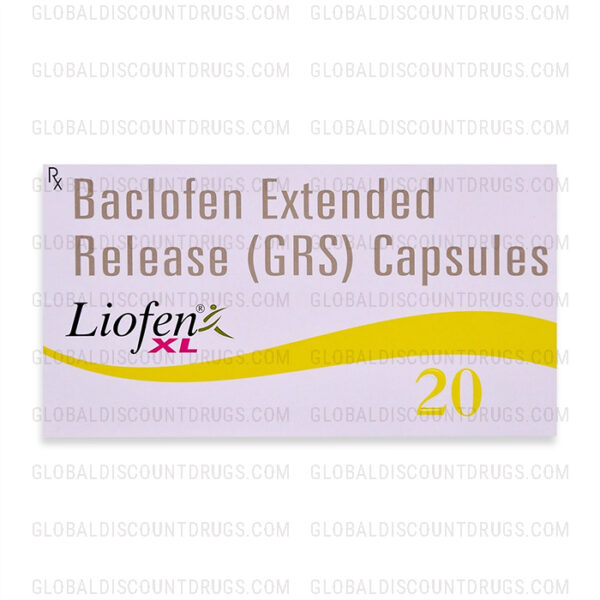
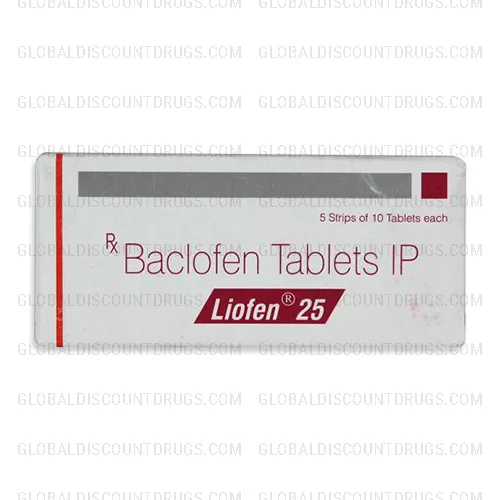
Baclofen
In StockBaclofen is a centrally acting skeletal muscle relaxant used to alleviate severe spasticity, often associated with multiple sclerosis or spinal cord injuries. It works by mimicking the inhibitory neurotransmitter GABA, reducing the release of excitatory neurotransmitters in the spinal cord. This results in decreased frequency and severity of muscle spasms and pain, improving patient comfort and motor function. Baclofen is a critical component in managing debilitating chronic muscle rigidity.
$0.33 per pill
What is Baclofen?
Baclofen is a muscle relaxant medicine commonly used to reduce stiffness, muscle spasms, and discomfort caused by conditions affecting the nerves or spinal cord. It helps relax tight muscles, improves mobility, and reduces pain signals in chronic neurological disorders. Baclofen tablets are widely prescribed for adults and can be part of long-term therapy when supervised by a healthcare provider. Its calming effect on muscles helps people perform daily activities with greater ease and comfort.
Baclofen Used For
Baclofen is mainly prescribed for:
-
Muscle spasticity
-
Multiple sclerosis–related stiffness
-
Spinal cord injury–related spasms
-
Cerebral palsy–related muscle tightness
-
Pain and discomfort caused by neurological conditions
Doctors may also recommend it for certain off-label uses involving nerve-related pain or chronic muscle tension.
Chemical Composition
The active ingredient is Baclofen, a gamma-aminobutyric acid (GABA) derivative. Tablets usually contain inactive ingredients that help maintain stability and allow proper absorption. It is available in oral tablet form and sometimes in liquid or intrathecal formulations used in hospital settings.
Baclofen Mechanism
Baclofen works by stimulating GABA-B receptors in the spinal cord. This slows down nerve signals that cause excessive muscle contraction. As the overactive nerves calm down, the muscles relax. This mechanism helps reduce spasticity, improves comfort, and supports smoother movement.
How It Helps Manage Muscle Spasticity
Muscle spasticity occurs when nerve pathways become overly active due to injury or neurological disease. This leads to stiffness, sudden jerking, or uncontrolled muscle tightening. Baclofen helps restore balance by reducing abnormal nerve firing. Over time, this promotes better posture, improves range of motion, and makes everyday activities like walking, sitting, or stretching easier. Many patients notice a gradual reduction in pain and cramping with ongoing therapy.
Other Benefits
Along with easing muscle stiffness, Baclofen offers several additional advantages:
-
Helps reduce nighttime muscle spasms
-
Improves sleep quality in people with chronic spasticity
-
Enhances mobility when used with physical therapy
-
Reduces nerve-related discomfort
-
May help reduce alcohol dependence in some cases (doctor-guided)
-
Supports long-term management of neurological symptoms
These benefits depend on consistent use and proper medical guidance.
Dosages
Dosage varies based on age, condition, and treatment response. Baclofen should always be taken exactly as prescribed because sudden changes may cause withdrawal symptoms.
Available Strengths or Dosage
Baclofen tablets are commonly available in:
Some regions also offer oral suspensions for patients who cannot swallow tablets. Higher doses or intrathecal injections are used only under medical supervision.
How and When to Take It
-
Take Baclofen tablets with or without food, usually 2 to 4 times daily.
-
Start with a low dose and increase gradually as recommended by your doctor.
-
Swallow tablets whole; do not crush unless approved by your provider.
-
Stay consistent with timing to maintain steady levels in the body.
-
Avoid alcohol or sedatives while taking this medication.
-
If a dose is missed, take it as soon as you remember unless it’s almost time for the next dose.
Take Baclofen tablets with or without food, usually 2 to 4 times daily.
Start with a low dose and increase gradually as recommended by your doctor.
Swallow tablets whole; do not crush unless approved by your provider.
Stay consistent with timing to maintain steady levels in the body.
Avoid alcohol or sedatives while taking this medication.
If a dose is missed, take it as soon as you remember unless it’s almost time for the next dose.
Taking the medicine regularly helps maintain muscle relaxation and improves long-term results.
Overdose Caution
Taking more than the prescribed amount may lead to:
-
Severe drowsiness
-
Difficulty breathing
-
Muscle weakness
-
Confusion
-
Loss of consciousness
Seek immediate medical help if overdose is suspected. Do not adjust your dose without consulting your doctor.
Who Can Use / Take Baclofen?
Baclofen is generally suitable for teens and adults who experience muscle spasticity from neurological conditions. It is commonly used in people with spinal cord injuries, multiple sclerosis, or chronic nerve damage.
Use with caution in:
-
Elderly individuals (increased risk of sedation)
-
People with kidney disease
-
Patients with epilepsy
-
Individuals with mental health conditions
-
Pregnant or breastfeeding women (only if recommended by a healthcare provider)
It is not typically given to children under 12 unless specifically advised by a specialist.
Side Effects & Precautions
What Are the Side Effects?
Most side effects are mild and improve as the body adjusts:
-
Drowsiness
-
Dizziness
-
Weakness
-
Nausea
-
Headache
-
Dry mouth
Less common but serious effects include:
-
Low blood pressure
-
Breathing difficulty
-
Hallucinations
-
Seizures
-
Severe confusion
Contact your healthcare provider if you notice persistent or worsening symptoms.
Precautions to Avoid Side Effects
-
Start with the lowest effective dose and increase only as directed.
-
Do not stop the medicine suddenly; taper slowly to avoid withdrawal symptoms.
-
Avoid alcohol or other sedatives that may increase drowsiness.
-
Stay hydrated and avoid activities requiring full alertness if you feel dizzy.
-
Inform your doctor about all other medications you are taking.
-
Attend regular checkups to adjust dosage safely.
Always consult your doctor before starting dose. If prescribed, you can order Baclofen tablets online safely from trusted pharmacy sources and ensure timely refills to maintain your treatment progress.

$1.81 per pill

$8.66 per pill

$5.63 – $6.88 per pill

$8.66 – $10.59 per pill


