

Nicoumalone
In StockNicoumalone is a short-acting coumarin derivative and vitamin K antagonist (VKA) used as an oral anticoagulant to prevent and treat thromboembolic disorders. It works by inhibiting the synthesis of vitamin K-dependent clotting factors (II, VII, IX, X) in the liver. This API is highly valued for its relatively rapid onset and short half-life, making dose adjustments easier. Nicoumalone is a critical agent in thrombosis prophylaxis.

What is Nicoumalone?
Nicoumalone, also known as acenocoumarol, is a medication available under various brand names depending on the country (such as Sintrom in parts of Europe and Latin America, and other regional brand names in Asia). It belongs to a class of drugs known as vitamin K antagonists, a type of oral anticoagulant, closely related to warfarin.
Nicoumalone is used for:
- Reducing the risk of stroke and blood clots (systemic embolism) in patients with atrial fibrillation or certain heart valve conditions, including patients with mechanical (prosthetic) heart valves
- Treating and preventing deep vein thrombosis (DVT) and pulmonary embolism (PE)
- Reducing clot-related risk in certain other cardiovascular conditions, as determined by a specialist
Nicoumalone is available in the following formulation:
- Oral tablets (commonly available in 1 mg and 4 mg strengths, depending on the manufacturer and country)
Important Regulatory Note
Nicoumalone (acenocoumarol) is not approved by the FDA and is generally not available in the United States, where warfarin is the standard vitamin K antagonist used instead. Acenocoumarol is more commonly prescribed in Europe, Latin America, and parts of Asia. Patients in the U.S. considering this medication, including those who may have started it while living or traveling abroad, should discuss their options with a U.S.-licensed prescriber, who can advise on an appropriate FDA-approved alternative such as warfarin.
What is the Recommended Dosage of Nicoumalone?
There is no single “correct” dose of nicoumalone for everyone; like other vitamin K antagonists, it has one of the most individualized dosing approaches of any medication class. The right dose depends on several individual factors, including:
- The condition being treated
- Regular blood testing results (see below)
- Genetic factors affecting how the body processes vitamin K antagonists
- Diet, particularly intake of vitamin K-containing foods
- The patient’s age
- Liver function
- Other medications and supplements currently being taken
Available Dosage Forms
Nicoumalone is available as oral tablets in different strengths, allowing precise dose adjustments based on regular monitoring.
Important Note on Dosing
Exact dosing instructions are not provided on this page because dosing must be individually determined and regularly adjusted through blood testing. Patients should:
- Follow the exact dose and schedule prescribed by their licensed medical specialist
- Never adjust the dose on their own, even slightly
- Attend all scheduled blood tests (see Section 7) so the dose can be adjusted appropriately
- Never stop taking nicoumalone abruptly without consulting their prescriber, as this can increase the risk of stroke or blood clots
- Ask their prescriber or pharmacist if dosing instructions are unclear
How Nicoumalone Works
Nicoumalone works by blocking the liver’s ability to use vitamin K to produce several clotting factors (proteins the body needs to form blood clots). By reducing the availability of these clotting factors over time, nicoumalone slows the blood’s ability to clot.
In simple terms: nicoumalone thins the blood by interfering with the vitamin K-dependent clotting process, which helps prevent dangerous clots from forming in the heart, veins, or around artificial heart valves. Its effect builds up gradually over a few days and also takes time to wear off after stopping, though generally somewhat less time than warfarin due to a shorter half-life.
Nicoumalone manages clot-related risk; it does not cure the underlying condition causing that risk, such as atrial fibrillation or a mechanical heart valve, and it requires ongoing monitoring to keep its effect within a safe and effective range.
Is a Prescription Required to Buy Nicoumalone Online?
Yes. Nicoumalone is a prescription-only medication in the countries where it is approved and available, and it requires regular blood test monitoring throughout treatment, just as warfarin does.
Before starting nicoumalone, patients should consult a licensed medical specialist, such as:
- A cardiologist
- A hematologist
- A primary care physician, often working with an anticoagulation clinic
Important Safety Warning
Patients should be cautious of websites offering nicoumalone without a prescription, or of ordering it into countries where it is not approved for medical use. Risks include:
- Counterfeit medications with incorrect, unsafe, or no active ingredient
- Products not manufactured under the regulatory oversight applicable in the buyer’s own country
- Difficulty obtaining the required ongoing blood test monitoring and dose adjustment if not coordinated through a local licensed prescriber
Always obtain nicoumalone from a licensed pharmacy in a country where it is approved, and only after being evaluated and prescribed by a qualified healthcare provider who can coordinate ongoing monitoring.
Side Effects of Nicoumalone
Common Side Effects
These are generally mild and may resolve on their own:
- Bruising more easily than usual
- Minor nosebleeds or bleeding gums when brushing teeth
- Mild stomach upset
Serious Side Effects
Although uncommon, seek immediate medical attention if any of the following occur:
- Signs of serious bleeding, such as black or bloody stools, vomit that looks like coffee grounds, blood in urine, or bleeding that does not stop
- Signs of bleeding inside the skull, such as sudden severe headache, confusion, weakness on one side of the body, or difficulty speaking
- Large or unexplained bruising
- Purple, dark, or mottled skin discoloration, particularly on the toes or skin folds, which can indicate a rare but serious complication sometimes called skin necrosis
- Signs of a severe allergic reaction, such as swelling of the face, lips, tongue, or throat, hives, or difficulty breathing
This list is not exhaustive. Patients experiencing any unusual or concerning symptoms, especially any sign of bleeding, should contact their prescriber promptly.
Drug Interactions
Like other vitamin K antagonists, nicoumalone has an unusually large number of clinically significant interactions. Patients should tell their prescriber about all medications and products they use, including:
- Other blood thinners or antiplatelet medications, such as aspirin, clopidogrel, or other anticoagulants, since combined use significantly increases bleeding risk
- Many antibiotics, which can significantly increase nicoumalone’s effect
- NSAIDs (such as ibuprofen or naproxen), which can further increase bleeding risk
- Antifungal medications, which can significantly raise nicoumalone’s effect
- Certain seizure medications, which can either increase or decrease nicoumalone’s effect
- Amiodarone and certain other heart medications, which can significantly increase nicoumalone’s effect
- Acetaminophen (paracetamol), especially at higher or regular doses, which can increase nicoumalone’s effect
- Supplements and herbal products, such as vitamin E, fish oil, ginkgo biloba, St. John’s Wort, and many others, which can either increase or decrease nicoumalone’s effect
- Alcohol, which can affect drug levels, particularly with heavy or binge use
Because of the scope of these interactions, patients should check with their prescriber or pharmacist before starting or stopping any new medication or supplement, including over-the-counter products.
Safety & Important Considerations
- Regular blood testing required: Nicoumalone requires regular blood tests, typically measuring a value called the INR (International Normalized Ratio), to ensure the dose is keeping the blood in a safe and effective range; testing frequency may range from several times a week when starting treatment to monthly once stable
- Diet consistency: Vitamin K, found in leafy green vegetables and some other foods, can counteract the medication’s effect; patients do not need to avoid these foods entirely, but should try to keep their vitamin K intake consistent from week to week, since sudden large changes can affect INR
- Bleeding risk: Nicoumalone increases bleeding risk, including serious and potentially life-threatening bleeding; patients should be aware of signs of bleeding and seek care promptly if they occur
- Genetic factors: Some patients metabolize vitamin K antagonists differently due to genetic variation, which can affect how much dose they need
- Pregnancy: Nicoumalone is generally not used during pregnancy, as vitamin K antagonists can cause serious birth defects and pregnancy loss; patients who are pregnant, planning pregnancy, or could become pregnant should discuss this urgently with their prescriber
- Breastfeeding: Should be discussed specifically with a prescriber
- Age-related considerations: Older adults may be at higher risk for bleeding complications and may need more frequent monitoring
- Illness and other changes: Fever, vomiting, diarrhea, and other illnesses can affect INR; patients should let their care team know about any significant illness
- Surgery or dental procedures: Patients should inform their surgeon or dentist that they are taking nicoumalone, as it typically needs to be paused and carefully managed before certain procedures under medical guidance
- Cross-border care: Patients moving between countries where different vitamin K antagonists are standard (for example, from a country using nicoumalone to the U.S., where warfarin is used) should coordinate closely with their new prescriber, since switching between these medications requires careful monitoring
- Monitoring requirements: Ongoing INR monitoring is a core part of safe use and should not be skipped
This medication should only be used for its approved purpose, with the monitoring required, as determined by a licensed prescriber.
Who This Medication Is For
Nicoumalone is generally intended for:
- Adults with atrial fibrillation or certain heart valve conditions who need stroke and blood clot prevention, in countries where it is the standard or available vitamin K antagonist
- Adults with mechanical heart valves, for whom vitamin K antagonists are generally preferred over newer anticoagulants
- Adults with deep vein thrombosis or pulmonary embolism who need treatment or prevention of recurrence
- Patients who have been evaluated by a licensed prescriber and are able to participate in regular blood test monitoring
Use should always follow an appropriate clinical evaluation and a specialist’s recommendation, along with a clear plan for ongoing monitoring.
Who Should Not Take Nicoumalone
Nicoumalone may not be appropriate for individuals who:
- Have active, serious bleeding
- Have a known allergy to nicoumalone or any ingredient in the product
- Are pregnant or planning to become pregnant, except in very specific circumstances determined by a specialist
- Have certain conditions with a high risk of bleeding, such as recent major surgery or bleeding disorders
- Are unable or unwilling to attend regular blood test monitoring appointments, since this significantly increases the risk of an unsafe dose
This is not a complete list. A full medical history review by a licensed specialist is necessary to determine if nicoumalone is safe and appropriate.
What to Do If You Miss a Dose
- Take the missed dose as soon as remembered on the same day
- If it is not remembered until the next day, do not take a double dose; contact your prescriber or anticoagulation clinic for specific guidance, since missed doses can affect INR results
- Never adjust future doses on your own to compensate for a missed or extra dose
- Keep a record of any missed or extra doses to report at your next appointment or blood test
- Contact a licensed medical specialist or anticoagulation clinic promptly if there is any uncertainty about a missed dose
Related medications to Nicoumalone
Other medications in the same broad category (vitamin K antagonists) or related anticoagulant classes that are sometimes prescribed include:
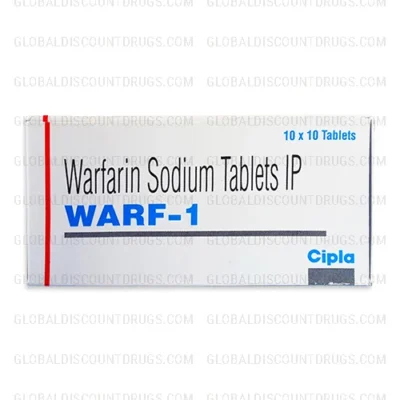
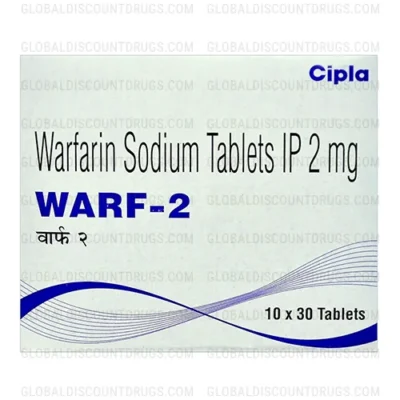
- Warfarin, another vitamin K antagonist, and the standard option in countries such as the United States where nicoumalone is not available
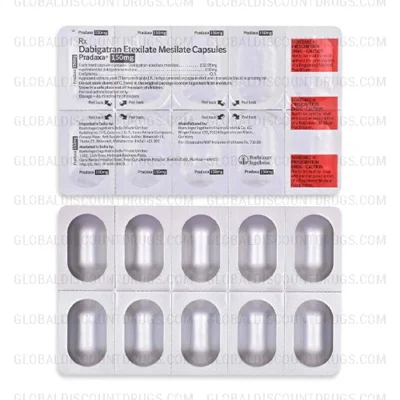
- Direct oral anticoagulants (DOACs), such as rivaroxaban, apixaban, Dabigatran Etexilate Mesilate, or edoxaban, which generally do not require routine blood test monitoring, for patients without a mechanical heart valve
For patients with mechanical heart valves, a vitamin K antagonist (nicoumalone or warfarin, depending on availability) generally remains the standard of care, since DOACs are not recommended in this specific group. Switching between treatments should only be done in consultation with a licensed medical specialist.
Storage Instructions
- Store at room temperature, generally between 68°F and 77°F (20°C to 25°C), unless otherwise directed on the packaging
- Keep away from excess heat, moisture, and direct light
- Store in the original packaging or container until ready to use
- Keep out of reach of children and pets
- Dispose of expired or unused medication according to local guidelines or pharmacist instructions
Disclaimer
This page is for educational purposes only. It is not a substitute for professional medical advice, diagnosis, or treatment. Nicoumalone (acenocoumarol) is not FDA-approved and is not generally available in the United States. Patients must consult a licensed cardiologist, hematologist, or other relevant medical specialist in their own country before starting, changing, or stopping treatment with nicoumalone or any vitamin K antagonist. Treatment decisions, including dosing and monitoring, must be based on a full clinical evaluation by a qualified specialist.
Prescription Required (Rx) to Buy?
This medication is not available over the counter. A valid prescription from a licensed healthcare
professional is required. Always consult your doctor before use.