Nicoumalone 4mg
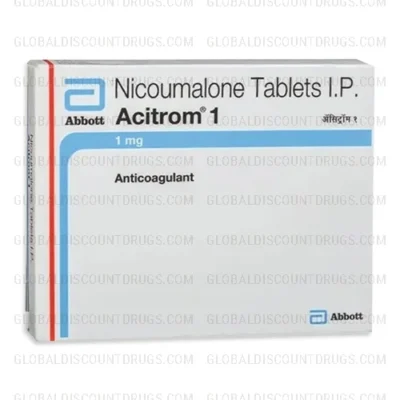
In StockNicoumalone 4 mg Tablet is a prescription vitamin K antagonist anticoagulant used to prevent and treat blood clots. Regular INR or other prescribed coagulation monitoring is essential during therapy.
| Active Ingredient: | Nicoumalone |
|---|---|
| Indication: | Blood Clot Prevention |
| Strength: | 4mg |
| Dosage Form: | Tablets |
| Manufacturer: | Abbott |

Nicoumalone 4mg: Understanding Your Blood-Thinning Medication
A prescription for a blood thinner often comes with more questions than a typical medicine — how careful do I really need to be? What happens if I cut myself shaving? This guide walks through what Nicoumalone 4mg does, why monitoring matters so much, and how to use it safely.
The Basics
Nicoumalone 4mg (active ingredient: acenocoumarol) is an oral anticoagulant belonging to the coumarin/vitamin K antagonist class. It works by slowing blood clotting and reducing clot-forming proteins in the blood, helping maintain smooth blood flow. This is a prescription-only medicine that requires regular blood testing throughout treatment — it is never appropriate for self-directed or occasional use.
What Nicoumalone 4mg Is Used For
Nicoumalone is used for deep vein thrombosis, pulmonary embolism, stroke prevention, and managing blood clots, and helps prevent the formation of blood clots in the legs, lungs, brain, or heart. It’s commonly prescribed for people with atrial fibrillation, deep vein thrombosis, or prosthetic heart valves — conditions where the risk of dangerous clotting is elevated.
Importantly, it does not dissolve existing blood clots — it inhibits their growth and prevents new ones from forming, so it’s a preventive and stabilizing therapy rather than an emergency clot-buster.
How It Actually Works in the Body
Acenocoumarol inhibits the reduction of vitamin K by vitamin K reductase, preventing the carboxylation of certain glutamic acid residues on clotting factors II, VII, IX, and X — the vitamin K-dependent proteins your liver needs to form clots. With fewer active clotting factors circulating, your blood takes longer to clot, which lowers the risk of dangerous blockages while still allowing normal healing from everyday cuts and injuries.
Getting the Dose Right — Why It’s So Individualized
Unlike most medications, Nicoumalone 4mg doesn’t come with a simple fixed daily dose. The typical adult starting dose is 2–4 mg per day for two days, or alternatively 6 mg on the first day followed by 4 mg on the second day, with subsequent doses adjusted according to response. Maintenance doses typically range from 1–8 mg daily.
Your doctor will fine-tune your exact dose based on regular blood tests. A few practical points:
- Administer the dose at the same time each day for consistency.
- You can take it with or without food, but avoid cranberry juice, as it may reduce the medication’s effectiveness.
- Swallow the tablet whole with water — do not break, chew, or crush it.
- Never stop taking Nicoumalone abruptly, since doing so can increase the risk of blood clots — any changes should go through your doctor.
The Monitoring Piece Isn’t Optional
Keep every scheduled blood clotting test (INR) appointment — these are essential to keeping your dose in a safe, therapeutic range. Too little medication leaves clot risk unmanaged; too much raises bleeding risk significantly. This is why Nicoumalone 4mg is never a “set it and forget it” medication.
Living With a Blood Thinner: What Changes Day to Day
Watch for bruising and bleeding. You may notice you bruise more easily or take longer to stop bleeding from small cuts — this is expected, but check your skin daily for unexplained bruises, small red dots, or signs of bleeding under the skin.
Be careful with sharp objects. Take extra care while shaving, cutting nails, using sharp objects, or engaging in contact sports.
Keep your diet steady. Avoid making sudden major changes to your diet, particularly with vitamin K–rich foods (leafy greens, for example), since fluctuations can throw off your INR.
Skip the alcohol. Avoid alcohol while taking this medicine, as it may increase side effects.
Tell every provider you see. Inform every healthcare professional — your dentist, surgeon, or physical therapist — that you’re taking Nicoumalone before any procedure or new treatment. You may be asked to temporarily stop the medication before surgery or dental work, but only under your doctor’s direction.
Side Effects — What’s Routine vs. What’s an Emergency
Common and expected: nosebleeds, bruising, bleeding gums, skin rash or itching, nausea, diarrhea, abdominal discomfort, dizziness, and headache.
Get medical help immediately for:
- Blood in your urine or unusual, unexplained bruising
- Signs of excessive bleeding or hemorrhage
- Allergic reactions — difficulty breathing, or swelling of the face, lips, tongue, or throat
- Purple discoloration of the toes (a rare complication known as purple toe syndrome)
- Signs of liver problems — jaundice or abdominal pain
- Black, tarry stools or vomit that looks like blood or coffee grounds
Who Should Not Take This Medication
Nicoumalone 4mg is contraindicated in patients with:
- Haemorrhagic disorders or blood dyscrasias, such as haemophilia, thrombocytopenic purpura, or leukaemia
- Peptic ulcer or active haemorrhage of the GI, urogenital, or respiratory tract
- Cerebrovascular haemorrhage, acute pericarditis, pericardial effusion, or infective endocarditis
- Severe renal or hepatic impairment
Drug Interactions Are Extensive — Full Disclosure Matters
Nicoumalone 4mg has one of the longer interaction lists among common medications. Effects can be increased (raising bleeding risk) by antiarrhythmics like amiodarone, certain antibiotics, antifungals, SSRIs, allopurinol, and cholesterol-lowering statins, and decreased (raising clot risk) by certain chemotherapy drugs, antivirals like ritonavir, thiazide diuretics, and oral contraceptives. Combining it with other anticoagulants or antiplatelet drugs is potentially fatal due to increased haemorrhage risk. Always give every prescriber and pharmacist your complete medication list.
Pregnancy and Special Populations
Nicoumalone 4mg is not recommended during pregnancy due to potential risks to the baby — discuss alternative anticoagulation with your doctor if you’re pregnant or planning to conceive. Elderly patients may need reduced doses, and the drug should be used cautiously in kidney or liver disease, with dose adjustments and closer monitoring.
Missed a Dose?
Take it as soon as you remember on the same day. If you don’t remember until close to your next scheduled dose, do not double up — contact your doctor for guidance, since missed doses can affect your INR results at your next test.
Storage
Store Nicoumalone 4mg at room temperature, away from moisture and direct light, in its original packaging. Keep it well out of reach of children — accidental ingestion of anticoagulants is a medical emergency.
Frequently Asked Questions
Do I need a prescription for Nicoumalone 4mg?
Yes, absolutely — anticoagulants require ongoing physician supervision and regular blood monitoring throughout treatment.
How quickly does it start working?
Its anticoagulant effect builds over the first few days of treatment as existing clotting factors clear from your system, which is why doctors often use a loading-dose schedule before settling into a maintenance dose.
Can I stop taking it once I feel fine?
No — stopping Nicoumalone abruptly can increase your risk of blood clots. Always consult your doctor before discontinuing or changing your dose.
Does it interact with other medications?
Yes, extensively — including other blood thinners, several antibiotics, certain antidepressants, and some cholesterol medications. Full disclosure of everything you take is essential for safety.
What should I do if I miss a dose?
Take it as soon as you remember that same day; if it’s close to your next dose, don’t double up — call your doctor, since this affects your INR monitoring.
Is Nicoumalone 4mg available over the counter?
No. Given its bleeding risk and the need for regular blood testing, it is strictly prescription-only in essentially all countries.
What does it cost without insurance?
The cost without insurance depends on the seller, brand availability, and pack size, and may also vary by location and available discounts. Check with a licensed pharmacy for current pricing.
Sources
- MIMS – Nicoumalone/Acenocoumarol Prescribing Information
- DrugBank – Acenocoumarol
- PubChem – Acenocoumarol Compound Summary
Medical Disclaimer:
This content is for informational purposes only and does not constitute medical advice, diagnosis, or treatment. Consult a qualified specialist or physician before using Nicoumalone 4mg.
Prescription Required (Rx) to Buy?
This medication is not available over the counter. A valid prescription from a licensed healthcare
professional is required. Always consult your doctor before use.
| Quantity | 180, 270, 360, 90 |
|---|---|
| Indication | Blood Clot Prevention |
| Active Ingredient | Nicoumalone |
| Pharmaceutical Form | Tablets |
| Manufacturer | Abbott |
| Indian Brand | Acitrom 4mg |
| US Brand Name | Acitrom, Nicoumalone |
| Generic Name | Nicoumalone |
| Dosage | 4mg |
| Drug Type | Tablets |