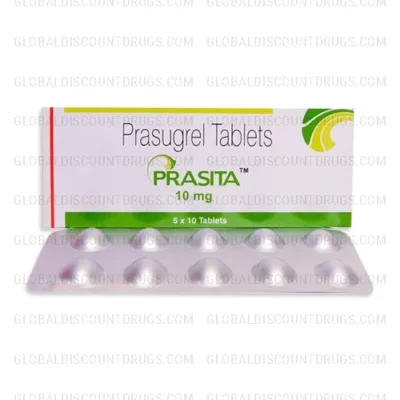


Prasugrel
In StockPrasugrel is a potent thienopyridine P2Y12 platelet inhibitor used to prevent atherothrombotic events, particularly in patients undergoing percutaneous coronary intervention (PCI) for acute coronary syndromes (ACS). It works by irreversibly blocking the P2Y12 receptor on platelets, significantly reducing clot formation. This API provides superior antiplatelet efficacy compared to older thienopyridines. Prasugrel is an essential drug in high-risk interventional cardiology.

What is Prasugrel?
Prasugrel is a medication available under the brand name Effient (known as Efient in some countries), as well as in generic form in some markets. It belongs to a class of drugs known as antiplatelet agents (P2Y12 inhibitors).
Prasugrel is approved for:
- Reducing the risk of cardiovascular death, heart attack, and stroke in patients with acute coronary syndrome who are being managed with percutaneous coronary intervention (PCI), such as coronary stenting, typically used alongside aspirin
- Preventing blood clots in patients who have had a coronary stent placed, as part of dual antiplatelet therapy with aspirin
Prasugrel is available in the following formulation:
- Oral tablets (commonly available in 5 mg and 10 mg strengths, with a higher one-time loading dose used at the start of treatment)
What is the Recommended Dosage of Prasugrel?
There is no single “correct” dose of prasugrel for everyone. The right dose depends on several individual factors, including:
- The condition being treated and the timing relative to a stent procedure
- The patient’s age (patients 75 years and older generally require special caution)
- Body weight (lower body weight may affect dosing)
- Bleeding risk and history, including any prior stroke or transient ischemic attack (TIA)
- Kidney and liver function
- Other medications currently being taken, including whether aspirin is also prescribed
Available Dosage Forms
Prasugrel is available as oral tablets, generally taken once daily for long-term use, with a higher one-time loading dose given at the start of treatment, typically at the time of a stent procedure, under close medical supervision.
Important Note on Dosing
Exact dosing instructions are not provided on this page because appropriate dosing must be determined individually, and because prasugrel carries specific dose-reduction and avoidance criteria based on age, weight, and prior stroke history. Patients should:
- Follow the exact dose and schedule prescribed by their licensed medical specialist
- Never adjust the dose on their own
- Never stop taking prasugrel abruptly, especially after a stent procedure, without consulting their prescriber, as doing so can increase the risk of sudden clot formation
- Ask their prescriber or pharmacist if dosing instructions are unclear
How Prasugrel Works
Prasugrel works by blocking a specific receptor on platelets (small blood cells involved in clotting) called the P2Y12 receptor. This prevents platelets from clumping together as easily, reducing the likelihood of blood clots forming, particularly in narrowed or damaged blood vessels, such as those affected by atherosclerosis or a coronary stent.
In simple terms: prasugrel makes the blood less likely to form clots that could block an artery and trigger a heart attack or stroke. Prasugrel tends to have a faster onset and more consistent antiplatelet effect between patients compared to some older medications in its class, though this also means it can carry a higher bleeding risk in certain patients.
Prasugrel manages clot-related cardiovascular risk; it does not cure the underlying condition causing narrowed or damaged arteries, such as atherosclerosis, and it is typically used alongside other treatments, including aspirin, statins, blood pressure medications, and lifestyle changes.
Is a Prescription Required to Buy Prasugrel Online?
Yes. Prasugrel is a prescription-only medication in the United States and most other countries.
Before starting prasugrel, patients should consult a licensed medical specialist, such as:
- A cardiologist, particularly one involved in a stent or PCI procedure
- A primary care physician, typically in coordination with a cardiologist
Important Safety Warning
Patients should be cautious of websites offering prasugrel without a prescription. These may include:
- Counterfeit medications with incorrect, unsafe, or no active ingredient
- Products not manufactured under proper quality and safety standards
Always obtain prasugrel from a licensed pharmacy, and only after being evaluated and prescribed by a qualified healthcare provider.
Side Effects of Prasugrel
Common Side Effects
These are generally mild and may resolve on their own:
- Bruising more easily than usual
- Nosebleeds
- Headache
- Mild back pain
Serious Side Effects
Although uncommon, seek immediate medical attention if any of the following occur:
- Signs of gastrointestinal bleeding, such as black or bloody stools, or vomit that looks like coffee grounds
- Unusual or prolonged bleeding that does not stop with normal pressure
- Signs of bleeding inside the skull, such as sudden severe headache, confusion, weakness on one side of the body, or difficulty speaking
- Signs of a rare but serious blood disorder called thrombotic thrombocytopenic purpura (TTP), including fever, unusual weakness, yellowing of the skin or eyes, or confusion
- Signs of an allergic reaction, such as swelling of the face, lips, tongue, or throat, hives, or difficulty breathing
This list is not exhaustive. Patients experiencing any unusual or concerning symptoms should contact their prescriber promptly.
Drug Interactions
Prasugrel can interact with a range of substances. Patients should tell their prescriber about all medications and products they use, including:
- Other blood thinners or antiplatelet medications, such as warfarin, which increase bleeding risk when combined
- NSAIDs (such as ibuprofen or naproxen), which can further increase bleeding risk
- Certain SSRIs/SNRIs (antidepressants), which may increase bleeding risk
- Supplements and herbal products, such as fish oil, vitamin E, or ginkgo biloba, which may add to bleeding risk
Unlike some other antiplatelet medications, prasugrel is less affected by common CYP-based drug interactions, but a full medication review with a prescriber is still essential. Patients should provide their licensed medical specialist and pharmacist with a complete and current list of all prescription drugs, OTC medications, vitamins, and herbal supplements before starting prasugrel.
Safety & Important Considerations
- History of stroke or TIA: Prasugrel is generally not recommended for patients with a prior history of stroke or transient ischemic attack, due to an increased risk of bleeding, including intracranial bleeding
- Age 75 and older: Generally not recommended in this age group, except in certain high-risk situations where a lower dose may be considered by a specialist, due to increased bleeding risk
- Low body weight (under about 60 kg / 132 lb): May require a lower dose due to increased drug exposure and bleeding risk
- Liver disease: Should be used with caution in moderate liver impairment and is generally avoided in severe liver impairment
- Kidney disease: Generally does not require dose adjustment, but individualized monitoring may still be appropriate
- Bleeding risk: Prasugrel increases bleeding risk, including gastrointestinal and intracranial bleeding, more so in certain patient groups noted above
- Pregnancy and breastfeeding: Should only be used during pregnancy or breastfeeding if the potential benefit justifies the potential risk, as determined by a prescriber
- Surgery or dental procedures: Patients should inform their surgeon or dentist that they are taking prasugrel, as it typically needs to be paused well before certain procedures under medical guidance; stopping too early after a stent procedure can be dangerous, so timing must be coordinated with the prescribing cardiologist
- FDA boxed warning: Prasugrel carries a boxed warning regarding the risk of significant, sometimes fatal, bleeding, and specifically advises against use in patients with a history of stroke or TIA
- Monitoring requirements: Prescribers may periodically reassess bleeding risk and overall cardiovascular status
This medication should only be used for its approved purpose, as determined by a licensed prescriber.
Who This Medication Is For
Prasugrel is generally intended for:
- Adults with acute coronary syndrome who are being treated with a coronary stent or other PCI procedure, typically in combination with low-dose aspirin
- Patients who have been evaluated by a licensed prescriber and determined to be appropriate candidates based on their cardiovascular risk and bleeding risk profile, including consideration of age, body weight, and prior stroke history
Use should always follow an appropriate clinical evaluation and a specialist’s recommendation.
Who Should Not Take Prasugrel
Prasugrel may not be appropriate for individuals who:
- Have a history of stroke or transient ischemic attack (TIA)
- Have active, serious bleeding, such as a bleeding ulcer or intracranial hemorrhage
- Have a known allergy to prasugrel or any ingredient in the product
- Have severe liver impairment
- Are scheduled for urgent surgery, such as coronary artery bypass grafting, without prior discussion with their prescriber
- Are generally not recommended for use if age 75 or older, or with low body weight, except in specific circumstances determined by a specialist
This is not a complete list. A full medical history review by a licensed specialist is necessary to determine if prasugrel is safe and appropriate.
What to Do If You Miss a Dose
- Take the missed dose as soon as remembered, unless it is close to the time of the next scheduled dose, in which case the missed dose should generally be skipped
- Do not double up or take an extra dose to make up for a missed one
- Try to take prasugrel at the same time each day to maintain consistent protection
- Do not stop taking prasugrel on your own, even if a dose is missed occasionally, particularly if it was prescribed after a stent procedure
- Contact a licensed medical specialist if there is any uncertainty about the dosing schedule
Related medications to Prasugrel
Other medications in the same therapeutic class (P2Y12 inhibitors) that are sometimes prescribed include:
Other antiplatelet or anticoagulant approaches may also be considered depending on the specific condition being treated, particularly in patients for whom prasugrel is not recommended (such as those with a history of stroke). Switching between treatments should only be done in consultation with a licensed medical specialist, who can weigh factors such as bleeding risk, age, body weight, and the specific cardiovascular condition being managed.
Storage Instructions
- Store at room temperature, generally between 68°F and 77°F (20°C to 25°C), unless otherwise directed on the packaging
- Keep away from excess heat, moisture, and direct light
- Store in the original packaging or container until ready to use
- Keep out of reach of children and pets
- Dispose of expired or unused medication according to local guidelines or pharmacist instructions
Disclaimer:
This page is for educational purposes only. It is not a substitute for professional medical advice, diagnosis, or treatment. Patients must consult a licensed cardiologist, primary care physician, or other relevant medical specialist before starting, changing, or stopping treatment with prasugrel. Treatment decisions must be based on a full clinical evaluation by a qualified specialist.
Prescription Required (Rx) to Buy?
This medication is not available over the counter. A valid prescription from a licensed healthcare
professional is required. Always consult your doctor before use.