

Nicoumalone 2mg
In StockNicoumalone 2 mg Tablet is a prescription vitamin K antagonist anticoagulant used for long-term prevention and treatment of thromboembolic disorders. Attend all scheduled blood clotting tests during treatment.
| Active Ingredient: | Nicoumalone |
|---|---|
| Indication: | Blood Clot Prevention |
| Strength: | 2mg |
| Dosage Form: | Tablets |
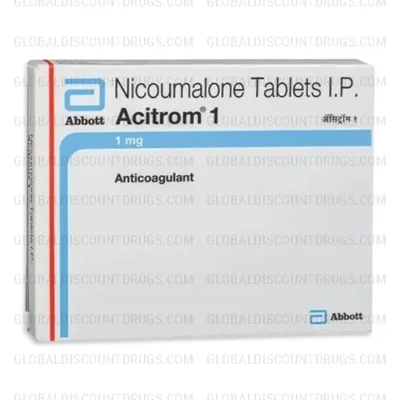
| Manufacturer: | Abbott |

Nicoumalone 2mg – Quick Overview
Nicoumalone 2mg (acenocoumarol) is a prescription anticoagulant, often called a blood thinner, used to treat and prevent harmful blood clots. It works by blocking vitamin K–dependent clotting factors in the liver. It requires regular INR blood monitoring and must be taken only as directed by a doctor. Availability varies by country; it is not FDA-approved in the US.
Medical Supervision & Regulatory Status
Nicoumalone is a prescription-only medicine and should never be used without a doctor’s supervision. In India it is a Schedule H drug, and in the European countries where it is sold it is also prescription-only. In the US, acenocoumarol is not FDA-approved, and warfarin is the standard vitamin K antagonist. Supervision is required because small dose changes can cause serious bleeding or clotting.
Clinical Context
Nicoumalone is used when the blood forms clots that can block blood flow. These conditions include deep vein thrombosis (DVT), pulmonary embolism, atrial fibrillation, and mechanical heart valves.
Treatment is needed because a clot can travel to the lungs, heart, or brain. This can lead to pulmonary embolism, heart attack, or stroke. Preventing clots in people at high risk can reduce these dangers.
Nicoumalone is a long-term oral option in the vitamin K antagonist group. Other anticoagulants, such as direct oral anticoagulants (DOACs), may be preferred in some patients. Patients with mechanical heart valves generally still need a vitamin K antagonist. Your doctor chooses the treatment that fits your condition.
How Nicoumalone 2mg Works
Nicoumalone belongs to the coumarin class of vitamin K antagonists. It does not dissolve existing clots. It helps prevent new clots from forming and existing ones from growing.
In simple terms, your liver needs vitamin K to make several clotting proteins (factors II, VII, IX, and X). Nicoumalone blocks the enzyme VKORC1, which recycles vitamin K, so the liver produces less active clotting protein. Blood then takes longer to clot.
For patients, this means a lower risk of clot-related events such as stroke or pulmonary embolism. The same effect raises the risk of bleeding, which is why INR blood tests guide the dose.
What Is Nicoumalone 2mg?
Nicoumalone 2mg is an oral tablet containing 2 mg of acenocoumarol, a prescription blood thinner taken once daily at a dose set by your doctor. The tablet strength is not a recommended dose; your doctor may prescribe a whole tablet, part of a tablet, or a combination of strengths.
- Drug class: Vitamin K antagonist (coumarin anticoagulant)
- Active ingredient: Acenocoumarol 2 mg
- Mechanism: Inhibits vitamin K epoxide reductase (VKORC1), reducing production of active clotting factors II, VII, IX, and X.
- Form: Oral tablet
- Dosing frequency: Usually once daily, as prescribed
- Regulatory status: Prescription-only (Schedule H in India); not FDA-approved in the US
Uses / Indications
Nicoumalone is used to treat and prevent blood clots in conditions where clotting risk is high. Approved uses vary by country, and typically include:
- Venous thromboembolism: treating and preventing DVT and pulmonary embolism.
- Atrial fibrillation: reducing the risk of stroke caused by clots forming in the heart.
- Mechanical heart valves: preventing clots on artificial valves.
- After a heart attack: reducing the risk of clot-related complications in selected patients.
How to Use / Dosage
Take Nicoumalone exactly as prescribed. Your doctor sets your dose based on INR blood tests, so the dose is individual and may change over time. Do not split tablets or switch between strengths unless your doctor tells you to.
Timing: Take it at the same time each day, usually in the evening, with or without food. Keep your intake of vitamin K–rich foods (such as spinach, kale, and broccoli) consistent.
Missed dose: If you remember on the same day, take it as soon as possible. If it is already the next day, skip the missed dose and take your usual dose. Never double up, and tell your doctor.
Do not stop suddenly: Stopping without medical advice can raise the risk of dangerous clots.
Side Effects
Most people take Nicoumalone without major problems, and regular monitoring helps catch issues early.
Common effects include minor bruising, nosebleeds, bleeding gums, heavier menstrual periods, and, less often, nausea or skin rash.
Serious effects include major bleeding (internal, gastrointestinal, or in the brain), skin necrosis (rare), and liver problems. Bleeding risk is higher when the INR is above the target range.
Emergency warning signs. Get medical help immediately if you notice:
- Black, tarry, or bloody stools
- Vomiting blood or material that looks like coffee grounds
- Coughing up blood
- Severe headache, confusion, weakness, or trouble speaking
- Bleeding that will not stop after 10 minutes of pressure
- Red or dark brown urine
- Painful, dark, or blistering skin patches
Warnings & Precautions
Nicoumalone must not be used in people with active bleeding, severe liver or kidney disease, uncontrolled high blood pressure, recent brain, eye, or spinal surgery, or known hypersensitivity to acenocoumarol or other coumarins.
Interactions: Many medicines change its effect. NSAIDs (ibuprofen, diclofenac) and aspirin raise bleeding risk. Amiodarone, fluconazole, metronidazole, co-trimoxazole, and some other antibiotics can raise the INR. Rifampicin, carbamazepine, and phenytoin can lower it. Alcohol and herbal products such as St John’s wort, ginkgo, and garlic supplements can also interfere. Always tell your doctor and pharmacist about everything you take.
Pregnancy and breastfeeding: Coumarins can cause birth defects and bleeding in the baby, especially in early pregnancy. Do not use Nicoumalone if you are pregnant or planning pregnancy without specialist advice. Small amounts pass into breast milk, so discuss breastfeeding with your doctor.
Special populations: Older adults, people with liver, kidney, or heart failure conditions, and those with a history of falls or ulcers face higher bleeding risk and may need closer follow-up.
Monitoring: Regular INR tests are essential, especially when starting treatment or after any medicine or diet change. Tell any doctor or dentist you are on a blood thinner before procedures.
Who Should Not Use This Medication
- People with active or recent major bleeding
- Pregnant women, or those planning pregnancy, unless a specialist advises otherwise
- Severe liver or kidney impairment
- Uncontrolled high blood pressure
- Active stomach or intestinal ulcers
- Known bleeding disorders
- Recent surgery on the brain, eye, or spine
- Those unable to attend regular INR monitoring
- Anyone allergic to acenocoumarol or other coumarins
Storage Instructions
Store Nicoumalone tablets in their original pack at room temperature, below 25°C (77°F). Keep them dry and away from direct light, heat, and moisture. Keep out of reach of children and pets. Do not use after the expiry date, and ask a pharmacist how to dispose of unused tablets safely.
Frequently Asked Questions
What is the cost of Nicoumalone 2mg without insurance?
The cost without insurance depends on the seller, brand availability, and pack size. It may also vary by location and available discounts. Generic versions are usually affordable where the medicine is sold. Compare licensed pharmacies and ask your doctor or pharmacist about lower-cost options for long-term use.
How can I order Nicoumalone 2mg online?
You need a valid prescription to order it. Upload your prescription or ask your doctor to send it, then order from a licensed pharmacy that offers home delivery. Always use verified pharmacies that ask for a prescription. Avoid websites that sell it without one, since counterfeit or incorrect products can be dangerous.
Is Nicoumalone 2mg available over the counter?
No, it is not available over the counter in most countries. Regulations vary by region, but it is generally restricted to prescription use. It needs medical supervision and regular blood tests because small dose errors can cause serious bleeding or clotting. Never buy or use it without a prescription.
Does Nicoumalone 2mg require a prescription?
Yes, a prescription is required. A doctor must check your clotting risk, other conditions, and current medicines before starting it. Ongoing INR monitoring keeps the dose in a safe range. This evaluation and follow-up protect you from both bleeding and clotting complications.
How long does Nicoumalone 2mg take to work?
It begins to affect clotting within about 36 to 48 hours, but full anticoagulant effect can take several days. Some patients receive a faster-acting injectable blood thinner at first. Your doctor adjusts the dose using INR tests, so do not change it on your own, even if you feel well.
Is it safe to stop Nicoumalone suddenly?
No, do not stop it suddenly without your doctor’s advice. Stopping can raise the risk of dangerous clots, stroke, or valve problems. If you want to stop or need a procedure, talk to your doctor first. They can plan a safe approach, sometimes with a temporary alternative.
Does Nicoumalone 2mg interact with other medicines?
Yes, it interacts with many drugs, which is a major safety concern. NSAIDs, aspirin, amiodarone, fluconazole, metronidazole, rifampicin, carbamazepine, and St John’s wort can change its effect. Always tell your doctor and pharmacist about all medicines and supplements, and never start or stop any without checking first.
What should I do if I miss a dose of Nicoumalone 2mg?
Take the missed dose as soon as you remember on the same day. If it is already the next day, skip it and continue your usual schedule. Never take a double dose to catch up. Tell your doctor about any missed doses, as it may affect your INR.
References
- DrugBank (NIH-linked drug database), Acenocoumarol: https://go.drugbank.com/drugs/DB01418
- PubChem (NIH/National Library of Medicine), Acenocoumarol: https://pubchem.ncbi.nlm.nih.gov/compound/Acenocoumarol
- MedlinePlus (NIH), Warfarin (US reference for the same vitamin K antagonist class): https://medlineplus.gov/druginfo/meds/a682277.html
Resources
- Anticoagulants & Blood Thinners Category
- Understanding INR Testing and Monitoring
- Warfarin vs. Acenocoumarol: What’s the Difference?
- Foods and Medicines That Affect Blood Thinners
- How to Order Prescription Medicines Online Safely
Medical Disclaimer
This content is for informational purposes only and does not constitute medical advice, diagnosis, or treatment. Consult a qualified specialist or physician before using Nicoumalone 2mg.
Prescription Required (Rx) to Buy?
This medication is not available over the counter. A valid prescription from a licensed healthcare
professional is required. Always consult your doctor before use.
| Quantity | 120, 180, 240, 60 |
|---|---|
| Indication | Blood Clot Prevention |
| Active Ingredient | Nicoumalone |
| Pharmaceutical Form | Tablets |
| Manufacturer | Abbott |
| Indian Brand | Acitrom 2mg |
| US Brand Name | Acitrom, Nicoumalone |
| Generic Name | Nicoumalone |
| Dosage | 2mg |
| Drug Type | Tablets |