Sodium-Valproate
In StockSodium Valproate is the sodium salt of valproic acid, used as a broad-spectrum antiepileptic drug and mood stabilizer to treat partial and generalized seizures and bipolar disorder. It works by increasing the levels of the inhibitory neurotransmitter GABA in the brain and by modulating voltage-sensitive sodium channels. This API is crucial for controlling various seizure types and stabilizing mood. Sodium Valproate is a versatile and essential compound in CNS therapy.

Sodium valproate is a prescription medication used mainly to help control seizures. It carries important safety warnings, especially about pregnancy, the liver, and the pancreas, so careful medical supervision is essential. This guide explains what it is, how it works, possible side effects, and what to discuss with your neurologist or other licensed medical specialist. It is meant to support, not replace, the advice of your care team.
What is Sodium Valproate?
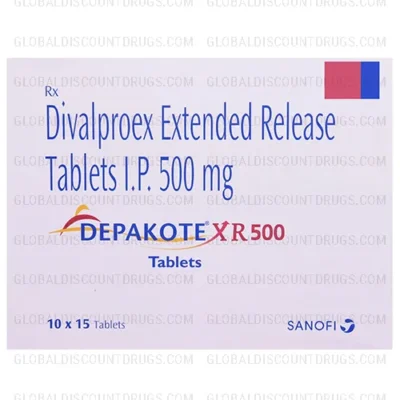
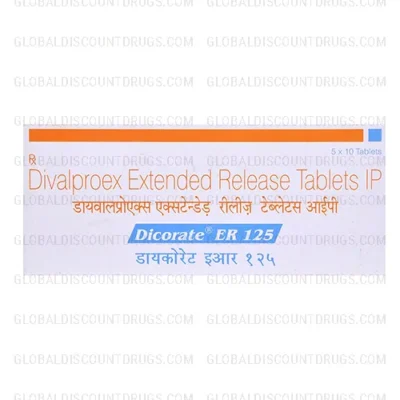
Sodium valproate is an anti-seizure medication (also called an antiepileptic drug or anticonvulsant). It is the sodium salt of valproic acid, and the body converts it to the same active substance (valproate) as related products such as valproic acid and divalproex sodium. It is sold under brand names such as Epilim, Depacon, and others, as well as generic products.
Approved uses: Sodium valproate is approved in many countries to treat epilepsy, including generalized seizures (such as absence, myoclonic, and tonic-clonic seizures) and focal (partial) seizures. The injectable form is used in hospitals when a person cannot take medicine by mouth temporarily. In some countries, related valproate products are also approved for manic episodes of bipolar disorder or for migraine prevention. Approvals differ by country and by product, so your specialist can explain which apply to you.
Available forms and strengths (may vary by brand, manufacturer, and country):
- Enteric-coated (gastro-resistant) tablets: commonly 200 mg and 500 mg
- Crushable tablets: commonly 100 mg
- Modified-release (prolonged-release) tablets: commonly 200 mg, 300 mg, and 500 mg
- Oral solution or syrup: commonly 200 mg per 5 mL (250 mg per 5 mL in the United States)
- Modified-release granules or sachets: available in some countries
- Injection (intravenous): for use only in hospitals or medical settings
These forms are not always interchangeable, because they are absorbed at different rates. Do not switch forms or brands unless your specialist or pharmacist confirms it is appropriate. Individual strength pages provide more detailed questions and answers.
What is the Recommended Dosage of Sodium Valproate?
There is no single dose that fits everyone. Your specialist chooses a dose based on:
- The condition being treated and how well seizures are controlled
- Age (infants, children, and older adults are treated differently)
- Body weight, especially for children
- Liver function, since the liver processes this medicine
- Blood levels of valproate, which may be checked during treatment
- Other medications, especially other seizure medicines and certain antibiotics
Treatment usually starts at a lower dose that is increased gradually. Depending on the form, doses may be taken once or twice a day. Modified-release and enteric-coated tablets should be swallowed whole, not crushed or chewed, unless the product is designed to be crushed. Taking the medicine with or after food may help reduce stomach upset.
Always follow your prescription label. Do not change your dose, and do not stop sodium valproate suddenly, because abrupt withdrawal can trigger seizures. Any change should be directed by your specialist.
How Sodium Valproate Works
The exact way valproate works is not fully understood. It is thought to increase levels of GABA, a natural brain chemical that calms nerve activity. It also appears to affect sodium and calcium channels on nerve cells. Together, these actions may help steady the abnormal electrical signaling that causes seizures.
Sodium valproate helps manage seizures. It does not cure epilepsy, and its benefit depends on taking it consistently as prescribed. Response varies from person to person.
Is a Prescription Required to Buy Sodium Valproate Online?
Yes. Sodium valproate is a prescription-only medication. It should be started and monitored by a licensed medical specialist, most often a neurologist or epileptologist, or another licensed prescriber experienced in seizure care. In some regions, specific specialist oversight and written risk-acknowledgment forms are required, especially for people who can become pregnant.
If you use an online pharmacy:
- Use only licensed pharmacies that require a valid prescription.
- Be cautious of websites that sell prescription medicines without a prescription, since these products may be counterfeit, expired, or incorrectly labeled.
- Confirm that the medication name, form, and strength match what your prescriber ordered.
- Ask your pharmacist if a product looks different from your usual supply.
Side Effects of Sodium Valproate
Everyone reacts differently. Many side effects are mild and improve as the body adjusts, but you should report any bothersome or unusual symptoms to your prescriber.
Common Side Effects
- Nausea, vomiting, stomach pain, or diarrhea
- Drowsiness or dizziness
- Headache
- Shaking (tremor) of the hands
- Increased appetite and weight gain
- Temporary hair thinning or hair changes
- Easy bruising
- Changes in menstrual periods
Serious Side Effects
Serious reactions are uncommon, but they need prompt attention. Seek emergency medical care or contact your specialist right away if you notice:
- Signs of liver problems: yellowing of the skin or eyes, dark urine, swelling of the face, loss of appetite, repeated vomiting, or unusual tiredness. Liver damage can be severe and is more likely in young children and in people with certain inherited metabolic disorders.
- Signs of pancreatitis: severe stomach or back pain, nausea, and vomiting that do not go away
- Signs of high ammonia levels: confusion, unusual sleepiness, vomiting, or low body temperature
- Bleeding or blood problems: unusual bruising or bleeding, nosebleeds, or frequent infections
- Severe skin reactions: a rash, blistering, peeling skin, or sores in the mouth or eyes, especially with fever
- Signs of a serious allergic reaction: swelling of the face, lips, or throat, or trouble breathing
- Mood or behavior changes: new or worsening depression, unusual thoughts, or any thoughts of self-harm. Anti-seizure medicines as a group carry a warning about suicidal thoughts. If you or someone you care for has these thoughts, contact a healthcare professional or local emergency services immediately.
- Worsening seizures
Drug Interactions
Sodium valproate interacts with many medicines. Tell your specialist and pharmacist about everything you take, including prescription drugs, over-the-counter (OTC) products, supplements, and herbal remedies. Major categories include:
- Lamotrigine: Valproate can raise lamotrigine levels, increasing the risk of serious rash. Doses usually need careful adjustment.
- Carbapenem antibiotics (such as meropenem): These can sharply lower valproate levels and may lead to seizures. Combining them is generally avoided.
- Other seizure medicines: Phenytoin, carbamazepine, phenobarbital, topiramate, and others can change valproate levels or effects, and combinations may raise the risk of high ammonia levels or low body temperature.
- Aspirin and blood thinners: These can raise valproate levels or increase bleeding risk.
- Hormonal products: Some estrogen-containing contraceptives may lower valproate levels. Ask your specialist about contraception options.
- Some antiviral and antimalarial medicines: These may interact. Ask your pharmacist.
- Sedating medicines and alcohol: These can add to drowsiness and dizziness.
- OTC products: Ask a pharmacist before using pain relievers, cold, or stomach remedies.
- Supplements and herbal products: Discuss any supplement, including St. John’s wort, before starting it.
Bring a complete, up-to-date medication list to each appointment.
Safety & Important Considerations
- Liver, pancreas, and pregnancy warnings: Valproate products carry major safety warnings for serious liver injury, pancreatitis, and harm to an unborn baby.
- Pregnancy and people who can become pregnant: Valproate is linked with a higher risk of major birth defects and with developmental and learning problems in children exposed in the womb. Regulators in many countries advise that it not be used in people who can become pregnant unless other treatments have failed or are unsuitable, and that effective contraception, pregnancy testing, and regular specialist review are in place under a pregnancy prevention program. Do not stop the medicine on your own, because uncontrolled seizures can also be dangerous. If you are pregnant, planning pregnancy, or become pregnant, contact your specialist promptly. Ask about pregnancy registries for anti-seizure medicines.
- Men and fathering a child: Some regulators have advised that men taking valproate discuss possible risks to children fathered during treatment, and that treatment be reviewed regularly by a specialist. Do not stop treatment without medical advice. Ask your specialist about current guidance in your country.
- Breastfeeding: Valproate passes into breast milk in small amounts. Discuss risks and benefits with your specialist.
- Children: Children under 2, especially those on multiple seizure medicines or with certain inherited conditions, have a higher risk of serious liver problems. Follow pediatric specialist guidance closely.
- Older adults: Older adults may be more sensitive to sleepiness, tremor, and confusion, and may need lower doses.
- Monitoring: Your specialist may check liver tests, blood counts (including platelets), ammonia levels, drug blood levels, weight, and mood, and may recommend pregnancy tests.
- Bone and hormone health: Long-term use can be linked with bone thinning and, in some people, hormone-related conditions such as polycystic ovary syndrome. Discuss ongoing monitoring with your specialist.
- Alcohol and driving: Avoid alcohol, and avoid driving or operating machinery until you know how sodium valproate affects you. Follow local laws about driving with seizures.
Who This Medication Is For
Sodium valproate is intended for people diagnosed with epilepsy, within the approved indications for the specific product. Whether it is suitable depends on medical history, age, sex, pregnancy potential, other medicines, and personal risk factors, which only a specialist can assess.
Who Should Not Take Sodium Valproate
- People with liver disease or significant liver impairment
- People with certain inherited metabolic conditions, including mitochondrial disorders (such as those related to POLG gene changes) and urea cycle disorders
- People who are allergic to valproate or any ingredient in the product
- Pregnant individuals using it for migraine prevention or other non-epilepsy uses, and people who can become pregnant who are not enrolled in a required pregnancy prevention program, as directed by local regulations
Use extra caution, and talk to your specialist first, if you have:
- A history of pancreatitis
- Blood clotting or platelet problems
- Kidney disease
- A history of depression, mood disorders, or suicidal thoughts
- Plans for pregnancy, or if you might become pregnant
- Reliance on hormonal birth control
What to Do If You Miss a Dose
- Take the missed dose as soon as you remember, unless it is almost time for the next dose.
- If it is almost time for the next dose, skip the missed one and return to your normal schedule.
- Do not take a double dose to make up for a missed one.
- If you miss more than one dose, or you are unsure what to do, contact your licensed medical specialist or pharmacist. Missing doses can raise the risk of breakthrough seizures.
Using a pill organizer, phone reminder, or caregiver check-in can help with consistency.
Related medications to Sodium Valproate
Other anti-seizure medicines may be used for the same seizure types, depending on the person. Examples include lamotrigine, levetiracetam, topiramate, ethosuximide (for absence seizures), lacosamide, and zonisamide. Related valproate products, such as valproic acid and divalproex sodium, contain the same active substance and are not true alternatives. Each medicine has its own benefits, risks, and interactions, and none is right for everyone. Non-drug options, such as epilepsy surgery, vagus nerve stimulation, or dietary therapy, may also be considered in some cases.
Do not switch or stop medications on your own. Any change in treatment requires consultation with your neurologist or other licensed medical specialist.
Storage Instructions
- Store at room temperature, generally below 77°F (25°C), unless the label says otherwise.
- Keep tablets in the original tight container, away from moisture, heat, and light. Avoid storing in bathrooms.
- For the oral solution, follow the label for storage and how long it can be kept after opening, and use the dosing device provided.
- Keep out of reach and sight of children and pets. Consider a locked storage spot.
- Do not use medication past its expiration date. Ask your pharmacist about safe disposal or take-back programs.
Disclaimer:
This page is for educational purposes only. It is not a substitute for professional medical advice, diagnosis, or treatment. Patients must consult a licensed neurologist or other relevant medical specialist before starting, changing, or stopping treatment. Treatment decisions must be based on a full clinical evaluation by a qualified specialist. If you think you are having a medical emergency, contact your local emergency services immediately.
Prescription Required (Rx) to Buy?
This medication is not available over the counter. A valid prescription from a licensed healthcare
professional is required. Always consult your doctor before use.