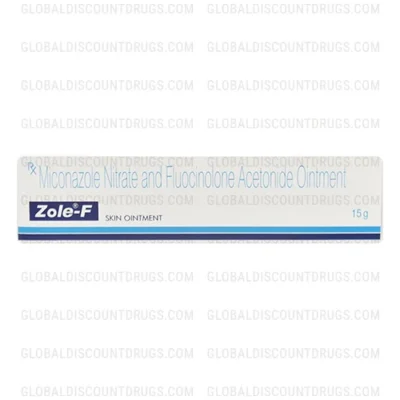
Miconazole-Fluocinolone
In StockMiconazole–Fluocinolone is a prescription medicine used to treat certain fungal skin infections accompanied by inflammation, itching, or redness. It combines an antifungal agent with a corticosteroid. Miconazole helps stop fungal growth, while fluocinolone helps reduce swelling and irritation in affected skin areas. This combination supports infection control and symptom relief. Use only as directed on the product label or by a healthcare professional.

What is Miconazole–Fluocinolone?
Miconazole–Fluocinolone is a prescription topical medication used to treat fungal skin infections that are associated with inflammation and irritation. It combines two different medicines that work together to relieve symptoms and treat infection.
This combination contains:
- Miconazole, an antifungal medication that stops the growth of fungi.
- Fluocinolone, a corticosteroid that reduces inflammation, redness, swelling, and itching.
- Healthcare professionals may prescribe this medication for skin conditions where fungal infection and inflammatory symptoms occur together.
Common medical uses include:
Fungal skin infections with inflammation
- Athlete’s foot (tinea pedis)
- Ringworm (tinea corporis)
- Jock itch (tinea cruris)
- Inflamed fungal infections affecting skin folds or moist skin areas
This medication helps manage symptoms and treat the infection but may not prevent recurrence if the underlying risk factors persist.
Available formulations and strengths
Miconazole–fluocinolone combinations are typically available as:
- Topical creams
- Topical ointments
- Topical lotions
Strengths may vary depending on the manufacturer and formulation. The exact product composition may differ by country and brand.
What is the Recommended Dosage of Miconazole–Fluocinolone?
The correct dosage and duration of treatment must be determined by a licensed healthcare professional, usually a dermatologist or primary care physician.
Treatment recommendations depend on several factors, including:
- The type of fungal infection
- The severity of skin inflammation
- The location of the infection
- Age and overall skin health
- Response to treatment
How Miconazole–Fluocinolone Works
This medication combines two different therapeutic actions.
Antifungal action
Miconazole works by interfering with the fungal cell membrane. This prevents fungi from growing and multiplying, allowing the infection to gradually clear.
Anti-inflammatory action
Fluocinolone is a corticosteroid that reduces:
- Skin inflammation
- Redness
- Swelling
- Itching
- Irritation
Together, these effects help relieve uncomfortable symptoms while the antifungal component addresses the underlying fungal infection.
However, this medication manages the infection and inflammation rather than permanently eliminating susceptibility to fungal infections.
Is a Prescription Required to Buy Miconazole–Fluocinolone Online?
Yes. Miconazole–fluocinolone combination products are typically prescription-only medications in many countries.
Patients should consult a licensed healthcare professional, such as:
- A dermatologist
- A primary care physician
- A skin specialist
Proper diagnosis is important because not all skin rashes are caused by fungal infections.
When purchasing medications online, patients should:
- Use licensed and regulated pharmacies
- Avoid products sold without proper medical authorization
- Be cautious of counterfeit topical medications
- Unverified products may contain incorrect ingredients or improper concentrations.
Side Effects of Miconazole–Fluocinolone
Like all medications, this combination product may cause side effects. Most are mild and occur at the site of application.
Common Side Effects
Common side effects may include:
- Mild skin irritation
- Burning or stinging sensation
- Dryness at the application site
- Redness or itching
- Skin peeling
These effects are usually temporary and mild.
Serious Side Effects
Although rare, serious side effects may occur, particularly with prolonged use.
Possible risks include:
- Skin thinning (atrophy)
- Stretch marks
- Changes in skin color
- Severe allergic reactions
- Secondary skin infections
If symptoms such as severe irritation, swelling, rash spreading, or signs of infection occur, patients should seek medical attention promptly.
Drug Interactions
Topical medications generally have fewer interactions than oral medications, but interactions are still possible.
Prescription medications
Possible interactions may involve:
- Other topical corticosteroids
- Other topical antifungal medications
- Certain medications that affect skin integrity
- Over-the-counter products
OTC products that may interact include:
- Other medicated skin creams
- Antifungal treatments
- Strong exfoliating products
- Supplements and herbal products
Some herbal topical products may irritate the skin when used with medicated creams.
Patients should inform their healthcare professional about all medications and skin treatments currently being used.
Safety & Important Considerations
Several safety precautions should be considered when using this medication.
Duration of use
Because this medication contains a corticosteroid, long-term use should be avoided unless specifically directed by a healthcare professional.
Use on sensitive skin areas
Extra caution is needed when applying the medication to:
- Face
- Groin
- Underarms
- Skin folds
These areas may absorb corticosteroids more easily.
Children
Children may absorb topical steroids more readily through the skin. Pediatric use should occur only under medical supervision.
Pregnancy and breastfeeding
Pregnant or breastfeeding individuals should consult a healthcare professional before using this medication to determine whether it is appropriate.
Skin monitoring
Patients should monitor for:
- Skin thinning
- Worsening rash
- Signs of infection
- Lack of improvement after treatment
A healthcare professional should reassess the condition if symptoms persist.
Who This Medication Is For
Miconazole–fluocinolone is generally prescribed for individuals who have fungal skin infections accompanied by inflammation.
Typical patient groups include:
- Adults with inflamed fungal skin infections
- Individuals experiencing itching, redness, and irritation associated with fungal infections
- Patients whose symptoms require both antifungal treatment and anti-inflammatory relief
A healthcare professional determines whether this combination therapy is appropriate based on clinical examination.
Who Should Not Take Miconazole–Fluocinolone
This medication may not be appropriate for everyone.
Individuals who should avoid or use caution include those with:
- Known allergy to miconazole or fluocinolone
- Certain viral skin infections such as herpes or chickenpox
- Bacterial skin infections that require different treatment
- Untreated skin conditions where fungal infection has not been confirmed
- Use on broken skin or large areas of the body should only occur under medical supervision.
What to Do If You Miss a Dose
If a scheduled application is missed:
- Apply the medication as soon as you remember.
- If it is nearly time for the next scheduled application, skip the missed dose.
- Do not apply extra medication to make up for the missed application.
- If multiple doses are missed or symptoms worsen, patients should contact their healthcare professional for guidance.
Related medications to Miconazole–Fluocinolone
Other treatments may be used depending on the type and severity of the skin condition.
Possible alternatives include:
Topical antifungal medications such as clotrimazole or ketoconazole
Other antifungal–corticosteroid combination products
Non-steroidal antifungal treatments for mild infections
Oral antifungal medications in severe or widespread infections
Treatment selection depends on the specific diagnosis and should be guided by a licensed healthcare professional.
Storage Instructions
Miconazole–fluocinolone should be stored according to general medication safety recommendations.
Storage guidelines include:
- Keep at room temperature
- Avoid exposure to excess heat or moisture
- Store away from direct sunlight
- Keep containers tightly closed when not in use
For safety:
- Keep the medication out of reach of children and pets
- Do not use after the expiration date
- Dispose of unused medication according to pharmacy or local waste guidelines
Disclaimer:
- This page is for educational purposes only.
- The information provided here is not a substitute for professional medical advice, diagnosis, or treatment.
- Patients must consult a licensed dermatologist or qualified healthcare professional before starting, changing, or stopping treatment with miconazole–fluocinolone.
All treatment decisions should be based on a complete clinical evaluation conducted by a qualified medical specialist.
Prescription Required (Rx) to Buy?
This medication is not available over the counter. A valid prescription from a licensed healthcare
professional is required. Always consult your doctor before use.