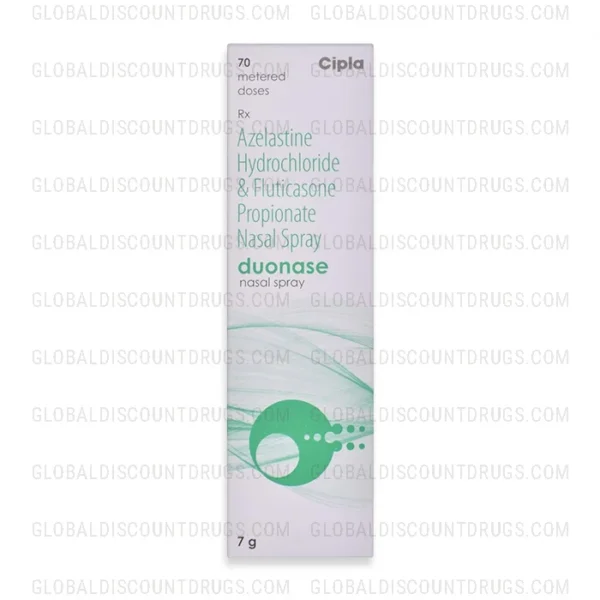
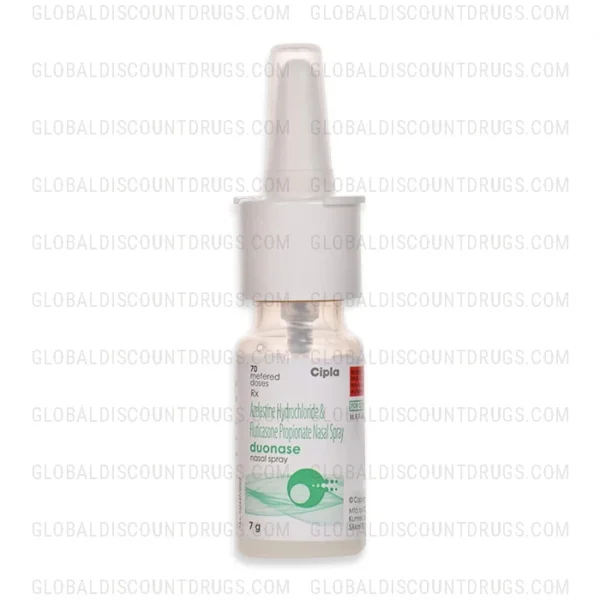
Azelastine-Fluticasone 140mcg-50mcg Nasal Spray 70 Doses
In StockAzelastine-Fluticasone 140mcg-50mcg Nasal Spray is a prescription combination antihistamine and corticosteroid used to relieve seasonal allergic rhinitis symptoms. Prime the spray before first use and avoid spraying into the eyes.
| Active Ingredient: | Azelastine-Fluticasone |
|---|---|
| Indication: | Allergic Rhinitis |
| Strength: | 140mcg-50mcg |
| Dosage Form: | Spray |
| Manufacturer: | Cipla Limited |

Quick Overview: What Is Azelastine-Fluticasone Nasal Spray?
Azelastine-Fluticasone 140mcg-50mcg Nasal Spray is a prescription combination medication used to treat moderate-to-severe allergic rhinitis in adults and children 6 years and older. It pairs an antihistamine with a corticosteroid to block allergic reactions and reduce nasal inflammation. Each bottle delivers 70 metered doses. Use only under a licensed healthcare provider’s guidance.
Medical Supervision and Regulatory Status
Azelastine-Fluticasone Nasal Spray is a Schedule H / FDA-approved prescription-only medication. It is not available over the counter in the United States. A valid prescription from a licensed physician is required before dispensing. Medical supervision is necessary because the correct dose, duration, and suitability depend on a patient’s full allergy history, concurrent medications, and overall health status.
Clinical Context
Allergic rhinitis affects tens of millions of Americans each year. The condition causes the nasal passages to become inflamed in response to airborne triggers such as pollen, dust mites, mold spores, and pet dander. Symptoms including nasal congestion, sneezing, itching, and runny nose can significantly reduce a person’s quality of life and sleep.
When a single-agent nasal antihistamine or corticosteroid alone does not provide enough relief, physicians may consider a combination product. Azelastine-Fluticasone Nasal Spray addresses two separate mechanisms behind allergic nasal symptoms at the same time, making it a useful option for patients whose symptoms are not adequately controlled by monotherapy.
This spray is generally prescribed for patients with moderate-to-severe seasonal allergic rhinitis (SAR) or perennial allergic rhinitis (PAR) who need faster, broader symptom coverage than a single drug class provides.
How Azelastine-Fluticasone 140mcg-50mcg Nasal Spray Works
This medication contains two active ingredients that work through different but complementary pathways. Azelastine hydrochloride belongs to the second-generation antihistamine class. It blocks H1 histamine receptors in nasal tissue, which reduces sneezing, itching, and runny nose. Unlike first-generation antihistamines, azelastine is applied directly to the nasal mucosa, limiting systemic absorption and the drowsiness commonly associated with oral antihistamines.
Fluticasone propionate is a synthetic corticosteroid that reduces the release of inflammatory mediators in nasal tissue. It works by binding to glucocorticoid receptors and decreasing the production of cytokines, prostaglandins, and other chemicals that drive nasal swelling, congestion, and long-term allergic inflammation. Because corticosteroids take a few days to reach full anti-inflammatory effect, the azelastine component begins working more quickly and provides faster relief in the early phase of the allergic response.
Together, these two ingredients target both the immediate and delayed phases of the allergic reaction. Patients typically notice improvement in nasal and eye-related allergy symptoms within 1 to 3 days of starting treatment, with maximum benefit usually seen after consistent use over one to two weeks.
What Is Azelastine-Fluticasone Nasal Spray? (At a Glance)
Drug Class: Antihistamine and intranasal corticosteroid combination
Active Ingredients: Azelastine hydrochloride 140 mcg per spray + Fluticasone propionate 50 mcg per spray
Mechanism: Blocks histamine receptors and reduces nasal inflammatory mediator release
Dosage Form: Metered-dose nasal spray
Doses Per Bottle: 70 actuations
Dosing Frequency: Typically one or two sprays per nostril once or twice daily, as prescribed
Regulatory Status: FDA-approved, prescription only (Rx)
Approved Uses and Indications
Seasonal Allergic Rhinitis (SAR) Azelastine-Fluticasone Nasal Spray is approved to relieve nasal symptoms triggered by seasonal allergens such as tree pollen, grass pollen, and ragweed. It helps reduce sneezing, congestion, nasal itching, and runny nose associated with spring, summer, or fall allergy seasons.
Perennial Allergic Rhinitis (PAR) For patients with year-round nasal allergy symptoms caused by persistent triggers such as dust mites, pet dander, and mold, this spray may be prescribed for ongoing management. It helps control chronic nasal inflammation and ongoing allergy symptoms.
Note: This medication is approved for use in patients 6 years of age and older. Use in younger children should only occur under strict physician oversight.
How to Use Azelastine-Fluticasone Nasal Spray and Dosage Guidance
Your physician will determine the correct dose based on your age, symptom severity, and response to treatment. General guidance is provided below, but do not adjust your dose without consulting your doctor.
Typical Adult Dose: One spray in each nostril twice daily. Some patients may be prescribed two sprays in each nostril once daily, depending on their allergist’s recommendation.
Pediatric Dose (6 to 11 years): One spray in each nostril twice daily, as directed by the prescribing physician.
How to Use: Shake the bottle gently before each use. Blow your nose first, then insert the nozzle just inside one nostril, aiming slightly away from the nasal septum. Press the pump firmly and breathe in gently through the nose. Avoid sneezing or blowing your nose for several minutes after use. Prime the pump before first use or if unused for more than 14 days.
Missed Dose: If you miss a dose, take it as soon as you remember unless it is almost time for your next scheduled dose. In that case, skip the missed dose and continue your regular schedule. Do not use two doses at once to compensate.
Do Not Stop Suddenly: If your physician has prescribed this medication for ongoing allergy management, do not stop use abruptly without medical advice. Stopping corticosteroid-containing nasal sprays without guidance may lead to a return of symptoms.
Side Effects of Azelastine-Fluticasone Nasal Spray
Most patients tolerate Azelastine-Fluticasone Nasal Spray well when used at prescribed doses. Side effects are generally mild and tend to improve as the body adjusts to the medication.
Common Side Effects: The most frequently reported adverse effects include a bitter or unusual taste in the mouth after administration, mild nosebleeds (epistaxis), nasal burning or stinging, headache, nasal dryness, and sneezing shortly after use. A bitter taste is particularly associated with the azelastine component and often decreases with continued use.
Less Common but Notable Side Effects: Some patients report mild drowsiness or fatigue, which may be due to a small amount of azelastine being absorbed systemically. Upper respiratory infections, throat irritation, and mild nasal crusting have also been reported with regular intranasal corticosteroid use.
Serious Side Effects: Long-term or high-dose intranasal corticosteroid use may rarely lead to nasal septal perforation, changes in vision, or adrenal suppression. Corticosteroids used in the nose can occasionally affect bone mineral density with prolonged use. These effects are uncommon at recommended doses but should be discussed with your doctor.
Emergency Warning Signs — Seek Immediate Medical Attention If You Experience:
- Severe allergic reaction with difficulty breathing, swallowing, or swelling of the face, lips, or throat
- Sudden or worsening vision problems or eye pain
- Severe nosebleed that does not stop
- Signs of a serious nasal or sinus infection with high fever
- White patches or unusual lesions in the nose or throat
- Unusual weakness, extreme fatigue, or low blood pressure suggesting adrenal insufficiency
Warnings and Precautions
Contraindications: Azelastine-Fluticasone Nasal Spray should not be used in patients with a known hypersensitivity to azelastine hydrochloride, fluticasone propionate, or any excipient in the formulation. Allergic reactions to either component have been reported and may be severe.
Drug Interactions: Patients taking ritonavir or other strong CYP3A4 inhibitors should use this medication with caution. Ritonavir can significantly increase plasma fluticasone concentrations, increasing the risk of systemic corticosteroid effects including Cushing syndrome and adrenal suppression. Other strong inhibitors such as ketoconazole, itraconazole, and cobicistat carry a similar concern. Azelastine may add to the sedative effects of alcohol, benzodiazepines, opioids, or other central nervous system depressants.
Pregnancy and Breastfeeding: This medication falls under FDA Pregnancy Category C. Use during pregnancy should only occur when the potential benefit justifies the potential risk to the fetus. The safety of azelastine and fluticasone in breastfeeding is not fully established. Mothers who are breastfeeding should consult their physician before using this spray.
Pediatric Use: Safety and effectiveness have been established in children as young as 6 years. This product has not been studied in children under 6, and use in that age group is not recommended.
Patients With Active Infections: This spray should not be used in patients with active untreated nasal or sinus infections, tuberculosis, or herpes simplex involving the eye or nose, as corticosteroids may suppress local immune defenses and worsen infections.
Monitoring: Patients on long-term therapy should be monitored for nasal mucosal changes, signs of systemic corticosteroid absorption, growth velocity in children, and bone mineral density if use extends over several years.
Driving and Machinery: Azelastine can cause mild drowsiness in some patients. Caution is advised when driving or operating heavy machinery, particularly when first starting treatment or if sedation is noticed.
Who Should Not Use Azelastine-Fluticasone Nasal Spray
The following patients should not use this medication or should only do so after careful consultation with a physician:
- Patients with a known allergy to azelastine, fluticasone, or any ingredient in the nasal spray
- Children under 6 years of age
- Patients with an active, untreated nasal or sinus infection
- Patients with active or untreated pulmonary tuberculosis
- Patients taking ritonavir or other strong CYP3A4 inhibitors, unless medically supervised
- Patients with recent nasal surgery or nasal ulcers who have not yet healed
- Individuals with a history of severe systemic reactions to corticosteroid-containing products
Storage Instructions
Store Azelastine-Fluticasone Nasal Spray at room temperature between 59 degrees F and 77 degrees F (15 to 25 degrees C). Keep the bottle upright when not in use. Protect from direct sunlight, excess heat, and humidity. Do not store in the bathroom. Keep the cap tightly closed after each use.
Keep this medication out of reach of children and pets. Do not share this spray with others, even if they have similar symptoms. Discard the bottle after the labeled number of doses has been used, even if liquid remains. Check the expiration date before each use and do not use an expired product.
Frequently Asked Questions
Does Azelastine-Fluticasone Nasal Spray require a prescription?
Yes, a valid prescription is required. This medication is an FDA-approved prescription-only drug in the United States. A physician will evaluate your allergy symptoms, medical history, and current medications before prescribing it. Medical supervision helps ensure the correct dose is used and any drug interactions or side effects are properly managed.
How long does it take for Azelastine-Fluticasone Nasal Spray to work?
Many patients notice relief from sneezing and runny nose within the first 1 to 3 days of starting this medication. Full anti-inflammatory benefit from the fluticasone component may take 1 to 2 weeks of consistent daily use to develop. Using the spray as prescribed every day, rather than only when symptoms occur, leads to better overall results.
Is it safe to stop using this spray suddenly?
It is best to follow your doctor’s instructions before stopping. While azelastine-fluticasone is not associated with physical dependence, stopping a nasal corticosteroid abruptly during peak allergy season may lead to a rapid return of symptoms. Your physician may recommend tapering use gradually during certain situations, particularly with long-term therapy.
Can this spray interact with other medications?
Yes, certain drug interactions are clinically relevant. The fluticasone component can interact with strong CYP3A4 inhibitors like ritonavir, leading to increased corticosteroid exposure. Azelastine may intensify the effects of sedating medications including alcohol, sleep aids, and opioids. Always share a full list of your medications and supplements with your prescribing doctor before starting this spray.
What should I do if I miss a dose?
Take the missed dose as soon as you remember. If it is nearly time for your next dose, skip the missed one and continue with your regular schedule. Do not double up on doses to make up for a missed one. Consistent daily use produces better results, so setting a daily reminder can help maintain your dosing routine.
What is the cost of Azelastine-Fluticasone Nasal Spray without insurance?
The cost without insurance depends on the seller, brand availability, and pack size. It may also vary by location, pharmacy, and available discount programs or manufacturer coupons. Speaking with your pharmacist or checking prescription savings programs can help identify the most affordable option available to you locally or online.
How can I order Azelastine-Fluticasone Nasal Spray online?
A valid prescription is required to order this medication. You or your doctor can send the prescription to a licensed online pharmacy that operates within state and federal pharmacy laws. Once the prescription is verified, the medication can be shipped to your home. Only use NABP-verified or state-licensed pharmacies to protect your safety and avoid counterfeit products.
Is Azelastine-Fluticasone Nasal Spray available over the counter?
No, this spray is not available over the counter in the United States or most other countries. Regulations may vary slightly by region, but in the US it remains a prescription product. Medical supervision is required because a physician must assess allergic rhinitis severity, rule out other nasal conditions, and confirm the appropriateness of combination therapy for each patient.
References
- U.S. Food and Drug Administration (FDA) — Dymista (Azelastine Hydrochloride and Fluticasone Propionate) Nasal Spray Prescribing Information https://www.accessdata.fda.gov/drugsatfda_docs/label/2017/202236s007lbl.pdf
- MedlinePlus, U.S. National Library of Medicine — Azelastine and Fluticasone Nasal Spray https://medlineplus.gov/druginfo/meds/a612033.html
- Carr, W., Bernstein, J., Lieberman, P., et al. (2012). “A Novel Intranasal Therapy of Azelastine with Fluticasone for the Treatment of Allergic Rhinitis.” Journal of Allergy and Clinical Immunology, 129(5), 1282-1289. https://www.jacionline.org/article/S0091-6749(12)00451-4/fulltext
Resources
- FDA Drug Database: https://www.accessdata.fda.gov/scripts/cder/daf/
- MedlinePlus Drug Information: https://medlineplus.gov/druginformation.html
- ACAAI Allergic Rhinitis Overview: https://acaai.org/allergies/allergic-rhinitis/
- NIH Clinical Trials for Allergic Rhinitis: https://clinicaltrials.gov/search?cond=Allergic+Rhinitis
Medical Disclaimer:
This content is for informational purposes only and does not constitute medical advice, diagnosis, or treatment. Consult a qualified specialist or physician before using Azelastine-Fluticasone 140mcg-50mcg Nasal Spray. Read our full medical disclaimer for more details.
Prescription Required (Rx) to Buy?
This medication is not available over the counter. A valid prescription from a licensed healthcare
professional is required. Always consult your doctor before use.
| Quantity | 1, 2, 3, 4 |
|---|---|
| Indication | Allergic Rhinitis |
| Active Ingredient | Azelastine-Fluticasone |
| Pharmaceutical Form | Spray |
| Manufacturer | Cipla Limited |
| Indian Brand | Duonase Nasal Spray |
| US Brand Name | Azelastine-Fluticasone 140mcg-50mcg Nasal Spray 70 Doses |
| Generic Name | Azelastine-Fluticasone |
| Dosage | 140mcg-50mcg |
| Drug Type | Containers |