

Calcium Acetate 667mg
In StockCalcium Acetate 667 mg Tablet is a calcium-based phosphate binder used to control high phosphorus levels in people with advanced kidney disease. Take it with meals so it can bind dietary phosphate.
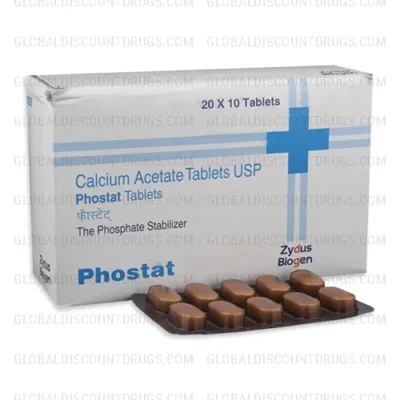
| Active Ingredient: | Calcium Acetate |
|---|---|
| Indication: | Hyperphosphatemia |
| Strength: | 667mg |
| Dosage Form: | Tablets |
| Manufacturer: | Zydus Health |

Quick Overview
Calcium Acetate 667 mg is a prescription phosphate binder used to lower high blood phosphorus (hyperphosphatemia) in people with end-stage kidney disease. It works by binding phosphate from food in the gut so less is absorbed. It is available only with a prescription and needs medical supervision because calcium levels can rise too high.
Medical Supervision and Regulatory Status
Calcium Acetate 667 mg is a prescription-only medicine in the United States and is not a controlled substance under federal law. The FDA has approved calcium acetate for people with end-stage renal disease, and generic versions are available. Supervision is needed because the dose is adjusted against blood phosphorus results, and serum calcium must be checked to catch hypercalcemia (high blood calcium) early.
Clinical Context
When kidneys fail, they cannot remove phosphorus well, so blood phosphorus rises and can disturb calcium balance, bones, and blood vessels over time.
Persistently high phosphorus is associated with bone disease, hardening of the blood vessels (vascular calcification), and higher cardiovascular risk in people on dialysis. Care usually combines dialysis, an eating plan lower in phosphorus, and a binder taken with meals.
Calcium-based binders such as calcium acetate are one of several options. Others include sevelamer, lanthanum, ferric citrate, and sucroferric oxyhydroxide. The 2017 KDIGO guideline suggests limiting the dose of calcium-based binders in adults, so the nephrologist weighs calcium, parathyroid hormone, and vascular calcification when choosing one.
How Calcium Acetate 667 mg Works
Calcium acetate is a calcium-based phosphate binder, and it lowers blood phosphorus by attaching to phosphate in food while that food is still in the gut.
The two combine into calcium phosphate, which does not dissolve well and leaves the body in stool. Because the binding happens in the digestive tract, the capsule has to be swallowed with the meal. It does not pull phosphorus out of the blood. Dialysis and diet handle what is already circulating.
Each 667 mg capsule contains about 169 mg of elemental calcium, and some of that calcium is absorbed. This is why blood calcium is monitored and why the dose is raised gradually rather than all at once.
What Is Calcium Acetate 667 mg?
Calcium Acetate 667 mg is an oral phosphate binder taken with meals to lower serum phosphorus in people with end-stage kidney disease.
- Drug Class: Phosphate binder (calcium-based)
- Active Ingredient: Calcium acetate
- Mechanism: Binds dietary phosphate in the gut so it is passed in stool instead of absorbed
- Available Forms and Strengths: Oral capsule, 667 mg (about 169 mg elemental calcium), generic
- Dosing Frequency: With each meal, as prescribed
- Regulatory Status: US prescription-only; FDA-approved (initial approval 1990); not a controlled substance; generics available
Approved Uses
The FDA has approved calcium acetate for one use: lowering serum phosphorus in people with end-stage renal disease (kidney failure).
- Reduction of serum phosphorus in end-stage renal disease: It is used alongside dialysis and dietary phosphorus limits to bring blood phosphorus toward the target range set by the care team.
How to Use and Dosage
The prescriber sets the dose, and the label starts at two 667 mg capsules with each meal, then adjusts based on blood phosphorus and calcium results.
The label describes increasing the dose gradually until phosphorus reaches the target range, as long as calcium stays normal. Many people end up needing more than the starting dose at each meal. Take the capsules with food, at around the same times each day, exactly as the prescription label directs.
If a meal is skipped, the dose for that meal is skipped too, since the medicine only works when it meets food in the gut. A missed dose is not made up later. Skip it and take the next dose with the next meal. Never double up.
No withdrawal syndrome is described for calcium acetate. The practical risk of stopping on your own is that phosphorus from meals is absorbed again and blood levels climb. Dose changes or a switch to a different binder should come from the nephrologist or dialysis team.
Side Effects
Side effects from calcium acetate vary from person to person, and the most common ones involve the stomach and calcium levels in the blood.
Boxed warning: Calcium acetate does not carry a boxed warning. The label’s main safety concern is hypercalcemia, described under Warnings and Precautions.
Common effects: In clinical studies the medicine was generally well tolerated, with nausea reported occasionally and vomiting less often. Hypercalcemia is the most notable effect to watch for, and it is found through blood tests. Dizziness, swelling (edema), and weakness have been reported after the drug reached the market.
Serious effects: Moderate to severe hypercalcemia can cause confusion, marked weakness, heart rhythm changes, and in extreme cases loss of consciousness. Prolonged high calcium and phosphorus together can also deposit calcium in soft tissues such as blood vessels.
Emergency Warning Signs
- Confusion, disorientation, or extreme drowsiness
- Fainting or a fast, pounding, or irregular heartbeat
- Seizure
- Severe or repeated vomiting with stomach pain
- Marked muscle weakness, severe constipation, or unusual thirst with frequent urination
- Swelling of the face, lips, tongue, or throat, or trouble breathing
Call 911 for fainting, seizure, confusion, or trouble breathing. For vomiting, constipation, or thirst, contact the dialysis center or nephrologist the same day.
Warnings and Precautions
The main warning for calcium acetate is hypercalcemia, which can develop when too much calcium is absorbed, so blood calcium and phosphorus need regular checks.
Hypercalcemia is a contraindication, meaning the medicine should not be started while calcium is high. People with kidney failure can develop it on calcium-based binders. Calcium supplements and calcium-containing antacids such as Tums should be avoided unless the nephrologist directs otherwise. Vitamin D products such as calcitriol, which increase calcium absorption, and thiazide diuretics such as hydrochlorothiazide, which reduce calcium loss in urine, can add to the risk, so the care team usually reviews them together.
Calcium can bind to other medicines in the gut. This affects tetracycline antibiotics and fluoroquinolones such as ciprofloxacin, and the label advises taking an affected drug at least one hour before or three hours after calcium acetate. For drugs with a narrow safe range, blood levels may be monitored. Digoxin deserves a separate mention because high calcium raises the risk of digoxin toxicity and heart rhythm problems. No direct alcohol interaction is listed, but kidney failure care plans often limit alcohol and fluids, so follow the dialysis team’s guidance.
Pregnancy data are limited: animal reproduction studies were not done and there are no adequate studies in pregnant women, so use is a prescriber decision. Calcium acetate passes into breast milk, and the label states breastfeeding is not expected to harm an infant when the mother’s calcium level is monitored. Safety and effectiveness in children have not been established. Older adults are dosed by laboratory results like other patients. Liver impairment has no specific labeled adjustment, and the kidney failure this medicine treats is the reason for use.
Monitoring centers on serum calcium and phosphorus, with extra checks when the dose changes, and usually parathyroid hormone as the care team directs.
Who Should Not Use This Medication
Calcium Acetate 667 mg is not suitable for everyone, and the label names specific situations where it should not be started.
- People with high blood calcium (hypercalcemia)
- Anyone with a known allergy to calcium acetate or any ingredient in the capsule
- People who take calcium supplements or calcium antacids on their own, unless the nephrologist has approved the combination
Storage Instructions
Store calcium acetate at room temperature, between 68 and 77 degrees Fahrenheit, in a tightly closed container away from moisture and heat.
Keep the bottle out of sight and reach of children, ideally in a locked cabinet, and avoid storing it in a bathroom. Leftover capsules are best returned through a drug take-back site or a pharmacy mail-back program. If none is available, FDA guidance is to mix them with used coffee grounds or cat litter in a sealed bag, place it in household trash, and scratch out personal details on the label.
Frequently Asked Questions
What is the cost of Calcium Acetate 667 mg without insurance?
The cost without insurance depends on the seller, brand availability, and pack size. Location and discount programs can also change what a patient pays. Generic calcium acetate is generally more affordable than brand-name versions, so ask the pharmacy whether a generic is dispensed. Comparing quotes from licensed pharmacies helps a patient see the real total before ordering.
How can I order Calcium Acetate 667 mg online?
A valid prescription is required, so ordering starts with a prescriber. The patient uploads the prescription or the prescriber sends it to a licensed US pharmacy, which dispenses the medicine and delivers it home. Before ordering, confirm the pharmacy holds a state license and has a pharmacist available to answer questions, since unlicensed sellers may ship counterfeit products.
Is Calcium Acetate 667 mg available over the counter?
No, Calcium Acetate 667 mg is not sold over the counter in the United States. It is a prescription-only medicine because dosing follows blood phosphorus and calcium results in people with kidney failure. Rules vary by country, but medical supervision is still required. Websites offering it without a prescription are not following US law, and products may be counterfeit.
Does Calcium Acetate 667 mg require a prescription?
Yes, Calcium Acetate 667 mg requires a prescription from a licensed US prescriber. A medical evaluation confirms kidney failure and high phosphorus, reviews current calcium and vitamin D products, and sets a starting dose. Follow-up blood tests then guide dose changes and check for high calcium, which is why a pharmacy cannot supply it without an order.
How long does Calcium Acetate 667 mg take to work?
Calcium Acetate 667 mg begins binding dietary phosphate at the first meal it is taken with, but blood phosphorus falls over days to weeks. The label calls for gradual dose increases until phosphorus reaches the target range, as long as calcium stays normal. The care team rechecks blood tests often, and response varies by person.
Is it safe to stop taking Calcium Acetate 667 mg suddenly?
Stopping Calcium Acetate 667 mg without the care team’s agreement is not advised, though no withdrawal syndrome is described. Without a binder, phosphorus from meals is absorbed again, and blood levels can climb back. High phosphorus over time harms bones and blood vessels. A nephrologist can adjust the dose or change binders if side effects are a problem.
Can Calcium Acetate 667 mg interact with other medicines?
Yes, Calcium Acetate 667 mg can interact with several medicines, including tetracycline and fluoroquinolone antibiotics, levothyroxine, digoxin, thiazide diuretics, and vitamin D products. Calcium can block absorption of some drugs, while others raise the risk of high blood calcium or heart rhythm problems. Ask the pharmacist about timing and review every supplement and antacid, since many contain calcium.
What should I do if I miss a dose of Calcium Acetate 667 mg?
Skip the missed dose if the meal is already over, and take the next Calcium Acetate 667 mg dose with the next meal. The medicine works only when it meets food in the gut, so a dose taken long after eating is less useful. Never double up. For too many capsules or tablets, call poison control at 1-800-222-1222.
References
- DailyMed (NIH), Calcium Acetate capsules label: Current FDA-approved prescribing information, including the indication, dosing, contraindication, warnings, interactions, and storage.
- MedlinePlus, Calcium Acetate: Plain-language patient information on use, precautions, overdose symptoms, and disposal. https://medlineplus.gov/druginfo/meds/a620017.html
- FDA, Drugs@FDA entry for calcium acetate capsules: Approval history and labeling for the generic products.
Medical Disclaimer
This content is for informational purposes only and does not constitute medical advice, diagnosis, or treatment. Consult a qualified specialist or physician before using Calcium Acetate 667 mg.
Prescription Required (Rx) to Buy?
This medication is not available over the counter. A valid prescription from a licensed healthcare
professional is required. Always consult your doctor before use.
| Quantity | 100, 200, 300, 400 |
|---|---|
| Indication | Hyperphosphatemia |
| Active Ingredient | Calcium Acetate |
| Pharmaceutical Form | Tablets |
| Manufacturer | Zydus Health |
| Indian Brand | Phostat |
| US Brand Name | Calcium Acetate, Phosex, Phoslo |
| Generic Name | Calcium Acetate |
| Dosage | 667mg |
| Drug Type | Tablets |