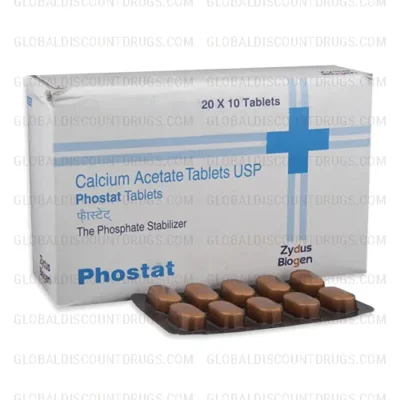

Calcium Acetate
In StockCalcium Acetate is a high-efficacy phosphate binder primarily used to control elevated serum phosphate levels (hyperphosphatemia) in patients with end-stage renal disease (ESRD). When taken with meals, it binds to dietary phosphate in the gastrointestinal tract, forming an insoluble complex that is excreted. By controlling phosphate levels, Calcium Acetate helps prevent severe bone disease and cardiovascular calcification in dialysis patients. This API is fundamental to the nutritional management of chronic kidney failure.

What is Calcium Acetate?
Calcium acetate is a calcium salt medication classified as a phosphate binder. It belongs to the broader drug category of agents used to manage mineral imbalances associated with kidney disease.
Calcium acetate is approved to control hyperphosphatemia (high blood phosphate levels) in people with end-stage renal disease (ESRD), including patients on dialysis. It is commonly prescribed by nephrologists as part of a broader treatment plan that may also include dietary phosphate restriction and dialysis.
Available formulations typically include:
- Oral tablets (various strengths, such as 667 mg)
- Oral capsules
- Oral gelcaps
The specific formulation and strength prescribed depends on the patient’s individual treatment plan, phosphate levels, and specialist recommendation.
Common Prescribed Uses
- Lowering elevated phosphate levels in dialysis patients
- Long-term management of mineral and bone disorder associated with chronic kidney disease (CKD-MBD)
What is the Recommended Dosage of Calcium Acetate?
Dosage of calcium acetate is individualized and depends on several factors, including:
- The patient’s current serum phosphate level
- The stage of kidney disease and dialysis status
- Body weight and overall nutritional status
- Dietary phosphate intake
- Response to initial therapy, as monitored through regular blood tests
Calcium acetate is generally taken with meals, since it works by binding to phosphate from food in the digestive tract. However, exact dosing schedules, number of tablets per meal, and titration over time must be determined by a licensed nephrologist or treating specialist based on ongoing lab monitoring.
This page does not provide specific dosing instructions. Patients should always follow the dosage prescribed by their treating specialist and should not adjust their dose without medical guidance.
Available dosage forms (tablet, capsule, gelcap) allow specialists to tailor treatment based on patient tolerance and swallowing ability.
How Calcium Acetate Works
Calcium acetate works by binding to phosphate consumed in food within the gastrointestinal tract. This binding forms an insoluble compound that is not absorbed into the bloodstream and is instead eliminated from the body through stool.
By reducing the amount of phosphate absorbed from the diet, calcium acetate helps lower and control blood phosphate levels in people whose kidneys can no longer adequately remove excess phosphate on their own.
Calcium acetate does not cure kidney disease. It is a management tool used alongside dialysis, diet, and other therapies to help reduce complications associated with long-term phosphate imbalance, such as bone and cardiovascular problems.
Is a Prescription Required to Buy Calcium Acetate Online?
Yes. Calcium acetate is a prescription-only medication in most regions. It should only be used under the supervision of a licensed medical specialist, typically a nephrologist (kidney specialist), given its role in managing chronic kidney disease.
Before starting calcium acetate, patients should have:
- A confirmed diagnosis involving elevated phosphate levels
- Baseline blood work, including calcium and phosphate levels
- An individualized treatment plan established by their specialist
Important safety notes:
- Only purchase calcium acetate from licensed, verified pharmacies.
- Avoid unregulated online sellers, as counterfeit or substandard products may not contain the correct dose or ingredients.
- Never use veterinary or non-human-grade calcium products intended for other purposes.
Side Effects of Calcium Acetate
Common Side Effects
These are usually mild and may improve as the body adjusts:
- Nausea
- Upset stomach
- Diarrhea or constipation
- Gas or bloating
- Vomiting
Serious Side Effects
Although less common, some side effects require prompt medical attention:
- Signs of high blood calcium (hypercalcemia), such as confusion, unusual tiredness, muscle weakness, bone pain, excessive thirst, or increased urination
- Irregular heartbeat
- Severe constipation or signs of bowel obstruction
- Allergic reaction symptoms, such as rash, itching, swelling, or difficulty breathing
Seek immediate medical attention if any serious symptoms occur. This list is not exhaustive; patients should discuss their full side effect profile with their treating specialist.
Drug Interactions
Calcium acetate can interact with a number of other substances, potentially reducing the effectiveness of either medication or increasing the risk of side effects. Interaction categories include:
- Certain antibiotics, including tetracyclines and fluoroquinolones (absorption may be reduced if taken too close together)
- Thyroid hormone medications
- Digoxin and other heart medications
- Vitamin D analogs and supplements, which can increase the risk of high calcium levels
- Other calcium-containing products, including antacids and calcium supplements
- Over-the-counter (OTC) medications, including certain antacids and laxatives
- Herbal or dietary supplements, particularly those containing calcium, vitamin D, or phosphate
Patients should provide their treating specialist and pharmacist with a complete and updated list of all prescription medications, OTC products, vitamins, and herbal supplements they are taking to help avoid harmful interactions.
Safety & Important Considerations
- Kidney and liver considerations: Calcium acetate is specifically used in patients with significantly reduced kidney function; dosing and monitoring must be closely supervised by a nephrologist.
- Pregnancy and breastfeeding: Patients who are pregnant, planning to become pregnant, or breastfeeding should discuss the risks and benefits with their specialist before use.
- Age-related considerations: Use in children and elderly patients requires individualized evaluation, as calcium regulation needs may differ across age groups.
- Monitoring requirements: Regular blood tests are typically required to monitor calcium, phosphate, and parathyroid hormone (PTH) levels during treatment.
- Risk of hypercalcemia: Long-term use requires careful monitoring to avoid excessive calcium levels, which can affect the heart, blood vessels, and bones.
- Patients should not use this medication for purposes other than its approved use without specialist guidance.
Who This Medication Is For
Calcium acetate is generally prescribed for adults with end-stage renal disease, including those undergoing hemodialysis or peritoneal dialysis, who have elevated blood phosphate levels that are not adequately controlled through diet alone.
It is used as part of a broader, specialist-supervised treatment plan aimed at managing complications of chronic kidney disease.
Who Should Not Take Calcium Acetate
Calcium acetate may not be appropriate for individuals with:
- Hypercalcemia (existing high blood calcium levels)
- Known hypersensitivity or allergy to calcium acetate or any of its ingredients
- Certain conditions affecting calcium metabolism, unless specifically directed by a specialist
Patients with a history of kidney stones, certain heart conditions, or those taking medications that affect calcium levels should discuss these factors carefully with their specialist before starting treatment.
This is not a complete list of contraindications. A full medical history review by a licensed specialist is required before starting therapy.
What to Do If You Miss a Dose
If a dose is missed, general guidance includes:
- Since calcium acetate is typically taken with meals, a missed dose is generally skipped if a meal has already passed.
- Do not double up on doses to make up for a missed one.
- If there is uncertainty about what to do, patients should contact their treating specialist or pharmacist for personalized guidance.
Related medications to Calcium Acetate
Calcium Acetate is a calcium-containing phosphate binder used to reduce serum phosphorus in patients with end-stage renal disease. A closely related phosphate-binder page is Sevelamer Hydrochloride. Related CKD-mineral information may also include Calcitriol and Cinacalcet, although these medicines work differently and have separate monitoring requirements.
Storage Instructions
- Store at room temperature, away from excess heat.
- Protect from moisture; avoid storing in bathrooms or humid areas.
- Keep the container tightly closed and away from direct light.
- Store out of reach of children and pets, ideally in a secured location.
- Do not use medication that is expired or appears discolored; consult a pharmacist regarding proper disposal.
Disclaimer:
This page is for educational purposes only and is not a substitute for professional medical advice, diagnosis, or treatment. Patients must consult a licensed nephrologist or other relevant medical specialist before starting, changing, or stopping treatment with calcium acetate. Treatment decisions must be based on a full clinical evaluation by a qualified specialist, taking into account individual health history, current lab values, and other medications.
Prescription Required (Rx) to Buy?
This medication is not available over the counter. A valid prescription from a licensed healthcare
professional is required. Always consult your doctor before use.