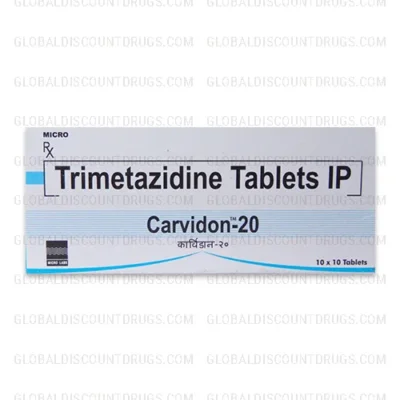


Trimetazidine
In StockTrimetazidine is a unique metabolic agent used as an add-on therapy for the symptomatic treatment of chronic stable angina pectoris. It works by shifting the heart muscle’s energy metabolism from fatty acid oxidation to glucose oxidation, which is more oxygen-efficient. This API improves the heart’s efficiency under ischemic conditions without affecting hemodynamic parameters. Trimetazidine is a valuable anti-anginal option for improving exercise tolerance.

What is Trimetazidine?
Trimetazidine is a medication available under brand names such as Vastarel and others, depending on the country, as well as in generic form in some markets. It belongs to a class of drugs sometimes described as anti-anginal agents with a metabolic mechanism of action, distinguishing it from more traditional anti-anginal drug classes such as beta-blockers, calcium channel blockers, or nitrates.
Trimetazidine is used for:
- Symptomatic treatment of stable angina pectoris (chest pain caused by reduced blood flow to the heart), typically as an add-on treatment when other anti-anginal medications do not adequately control symptoms, or in patients who cannot tolerate them
Trimetazidine is available in the following formulation:
- Oral tablets, including modified-release formulations (commonly around 20 mg standard-release or 35 mg modified-release, depending on the country and product)
Important Regulatory Note
Trimetazidine is not approved by the FDA and is not available in the United States. It is approved and used in the European Union, the United Kingdom, and various other countries, generally as an add-on therapy for angina, subject to specific prescribing restrictions introduced due to safety concerns (see Section 7). Patients in the U.S. considering this medication should discuss their options with a U.S.-licensed cardiologist, who can advise on FDA-approved alternatives for angina management.
What is the Recommended Dosage of Trimetazidine?
There is no single “correct” dose of trimetazidine for everyone. The right dose depends on several individual factors, including:
- The severity of angina symptoms and response to other treatments
- Kidney function, since trimetazidine is eliminated primarily by the kidneys
- The patient’s age
- Other medications currently being taken
- Whether other anti-anginal treatments are being used concurrently
Available Dosage Forms
Trimetazidine is available as oral tablets, including modified-release formulations designed for sustained effect, generally taken twice daily with food.
Important Note on Dosing
Exact dosing instructions are not provided on this page because appropriate dosing must be determined individually, and because trimetazidine dosing is significantly affected by kidney function and age. Patients should:
- Follow the exact dose and schedule prescribed by their licensed medical specialist
- Never adjust the dose on their own
- Take trimetazidine with food, as directed, to help reduce stomach-related side effects
- Ask their prescriber or pharmacist if dosing instructions are unclear
How Trimetazidine Works
Trimetazidine works differently from most other anti-anginal medications. Rather than directly affecting blood flow, heart rate, or blood pressure, it is thought to work at the cellular level within heart muscle cells, helping them use oxygen and energy more efficiently during periods of reduced blood flow.
In simple terms: trimetazidine may help heart muscle cells tolerate a temporary reduction in oxygen supply better, which can help reduce the frequency of angina episodes, without significantly changing heart rate or blood pressure the way some other anti-anginal medications do.
Trimetazidine manages the symptoms of angina; it does not treat the underlying coronary artery disease causing reduced blood flow to the heart, and it is generally used alongside other treatments that address the underlying condition, such as antiplatelet medications, statins, and other anti-anginal drugs.
Is a Prescription Required to Buy Trimetazidine Online?
In countries where it is approved, trimetazidine is a prescription-only medication. It is not approved or legally available as a prescribed medication in the United States.
Where available, patients considering trimetazidine should consult a licensed medical specialist, such as:
- A cardiologist
- A primary care physician, typically in coordination with a cardiologist
Important Safety Warning
Patients should be cautious of websites offering trimetazidine without a prescription, or of importing it into countries where it is not approved. Risks include:
- Counterfeit medications with incorrect, unsafe, or no active ingredient
- Products not manufactured under the regulatory oversight applicable in the buyer’s own country
- Missing the specific prescribing restrictions (such as movement-disorder screening, discussed in Section 7) that regulators in countries where it is approved have put in place for safety reasons
Where legally available, trimetazidine should be obtained only from a licensed pharmacy, with a valid prescription from a qualified healthcare provider.
Side Effects of Trimetazidine
Common Side Effects
These are generally mild and may resolve on their own:
- Dizziness
- Headache
- Stomach upset, nausea, or abdominal pain
- Diarrhea or constipation
Serious Side Effects
Although uncommon, seek immediate medical attention if any of the following occur:
- New or worsening movement problems, such as tremor, muscle stiffness, unsteady walking, or restless leg-type symptoms, which can resemble Parkinson’s disease and are a recognized, though rare, effect of this medication
- Falls, particularly in older adults, which may be related to movement or balance symptoms
- Signs of a severe allergic reaction, such as swelling of the face, lips, tongue, or throat, hives, or difficulty breathing
- Unusual bruising or bleeding, which has been reported rarely
This list is not exhaustive. Patients experiencing any unusual or concerning symptoms, especially any new tremor, stiffness, or difficulty with movement or balance, should contact their prescriber promptly.
Drug Interactions
Trimetazidine has relatively few major drug interactions compared to some other cardiovascular medications, but patients should still tell their prescriber about all medications and products they use, including:
- Other medications associated with movement disorders or parkinsonism-like symptoms, since combined use may increase the risk of these effects
- Medications affecting kidney function, since trimetazidine is eliminated by the kidneys and reduced kidney function can increase drug levels
- Over-the-counter (OTC) medications and supplements, which should always be reviewed with a prescriber or pharmacist, even though specific major interactions are less commonly reported for this medication than for some others
Patients should provide their licensed medical specialist and pharmacist with a complete and current list of all prescription drugs, OTC medications, vitamins, and herbal supplements before starting trimetazidine.
Safety & Important Considerations
- Movement disorder risk: Trimetazidine has been associated with the onset or worsening of parkinsonism-like symptoms (tremor, rigidity, and gait disturbances) and other movement disorders, which usually, but not always, resolve after stopping the medication; because of this, regulators in countries where it is approved have restricted its use to add-on therapy only, and generally advise stopping the medication if movement symptoms develop, with specialist evaluation
- Kidney disease: Dose adjustment is generally required for reduced kidney function; the medication is generally avoided in severe kidney impairment
- Age-related considerations: Older adults may be more sensitive to movement-related side effects and dizziness, which can increase fall risk
- Pregnancy and breastfeeding: Safety data in these populations is limited; use during pregnancy or breastfeeding should only occur if specifically advised by a specialist
- Not a first-line treatment: In countries where it is approved, trimetazidine is specifically restricted to use as an add-on therapy when other anti-anginal treatments are insufficient or not tolerated, rather than as an initial or standalone treatment for angina
- Regulatory warnings: European regulators have specifically restricted trimetazidine’s authorized use and added warnings regarding movement disorder risk following post-marketing safety reviews
- Monitoring requirements: Prescribers typically monitor for new or worsening movement symptoms, kidney function, and overall angina symptom control
This medication should only be used for its approved purpose, as determined by a licensed prescriber, in countries where it is authorized.
Who This Medication Is For
Where available, trimetazidine is generally intended for:
- Adults with stable angina whose symptoms are not adequately controlled by other anti-anginal medications, or who cannot tolerate those medications
- Patients without a history of movement disorders or significant kidney impairment
- Patients who have been evaluated by a licensed cardiologist and determined to be appropriate candidates for add-on anti-anginal therapy
Use should always follow an appropriate clinical evaluation and a specialist’s recommendation, in a country where the medication is legally authorized.
Who Should Not Take Trimetazidine
Trimetazidine may not be appropriate for individuals who:
- Have Parkinson’s disease, parkinsonism-like symptoms, tremor, restless legs syndrome, or other movement disorders
- Have severe kidney impairment
- Have a known allergy to trimetazidine or any ingredient in the product
- Are pregnant or breastfeeding, without specific specialist guidance
This is not a complete list. A full medical history review by a licensed specialist is necessary to determine if trimetazidine is safe and appropriate, where it is available.
What to Do If You Miss a Dose
- Take the missed dose as soon as remembered, unless it is close to the time of the next scheduled dose, in which case the missed dose should generally be skipped
- Do not double up or take an extra dose to make up for a missed one
- Try to take trimetazidine at the same times each day, with food, to maintain consistent symptom control
- Contact a licensed medical specialist if there is any uncertainty about the dosing schedule
Related medications to Trimetazidine
Trimetazidine is used for angina in certain markets and has a different mechanism from nitrates. Related pages include Ranolazine, Isosorbide Mononitrate, and Nitroglycerin. Regulatory status varies by country.
Storage Instructions
- Store at room temperature, generally between 68°F and 77°F (20°C to 25°C), unless otherwise directed on the packaging
- Keep away from excess heat, moisture, and direct light
- Store in the original packaging or container until ready to use
- Keep out of reach of children and pets
- Dispose of expired or unused medication according to local guidelines or pharmacist instructions
Disclaimer
This page is for educational purposes only. It is not a substitute for professional medical advice, diagnosis, or treatment. Trimetazidine is not FDA-approved and is not available in the United States. Patients must consult a licensed cardiologist or other relevant medical specialist in a country where the medication is authorized before starting, changing, or stopping treatment with trimetazidine. Treatment decisions must be based on a full clinical evaluation by a qualified specialist.
Prescription Required (Rx) to Buy?
This medication is not available over the counter. A valid prescription from a licensed healthcare
professional is required. Always consult your doctor before use.