

Nitroglycerin
In StockNitroglycerin is a potent organic nitrate used to rapidly treat and prevent episodes of angina pectoris (chest pain) by causing widespread vasodilation. It works by being converted into nitric oxide (NO), which relaxes vascular smooth muscle, reducing venous return and myocardial oxygen demand. As a sublingual tablet or spray, this API provides immediate relief during acute cardiac events. Nitroglycerin is an essential rescue medication in cardiology.

What is Nitroglycerin?
Nitroglycerin is a medication available under brand names such as Nitrostat, Nitro-Dur, Nitrolingual, Minitran, and others, as well as in generic form. It belongs to a class of drugs known as nitrates (vasodilators).
Nitroglycerin is approved for:
- Relief of acute angina attacks (sudden chest pain caused by reduced blood flow to the heart)
- Prevention of angina attacks before activities known to trigger them (such as exercise)
- Long-term management to reduce the frequency of angina episodes in patients with chronic stable angina
- Treatment of certain cases of acute heart failure or severe high blood pressure in hospital settings, under close medical supervision (specific to intravenous formulations)
Nitroglycerin is available in the following formulations:
- Sublingual (under-the-tongue) tablets, for rapid relief of an active angina attack
- Sublingual spray, also for rapid relief
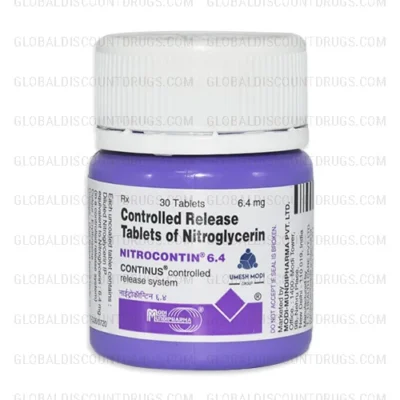
- Extended-release oral capsules or tablets, for longer-term prevention
- Transdermal patches, applied to the skin for sustained, once-daily release
- Topical ointment
- Intravenous (IV) solution, used in hospital settings for specific acute conditions
What is the Recommended Dosage of Nitroglycerin?
There is no single “correct” dose of nitroglycerin for everyone. The right dose and formulation depend on several individual factors, including:
- Whether the medication is needed for immediate relief of an active angina attack or for ongoing prevention
- The patient’s blood pressure and how well they tolerate blood pressure-lowering effects
- The patient’s age
- Other medications currently being taken, particularly other blood pressure or erectile dysfunction medications (see Section 6)
- Whether tolerance has developed with long-term use, which may require a dosing schedule that includes a nitrate-free interval
Available Dosage Forms
Nitroglycerin is available in several distinct forms designed for different purposes: fast-acting sublingual tablets or spray for immediate relief, and longer-acting patches, ointments, or extended-release oral forms for ongoing prevention.
Important Note on Dosing
Exact dosing instructions are not provided on this page because appropriate use depends on the specific formulation and clinical situation. Patients should:
- Follow the exact dose, formulation, and schedule prescribed by their licensed medical specialist
- Never adjust the dose or formulation on their own
- For sublingual tablets or spray used during an angina attack, follow the specific instructions provided by their prescriber regarding how many doses to take and when to seek emergency care if pain does not improve (see Section 5)
- Ask their prescriber or pharmacist if dosing instructions are unclear
How Nitroglycerin Works
Nitroglycerin works by being converted in the body into nitric oxide, a substance that relaxes and widens blood vessels (vasodilation). This includes widening the coronary arteries that supply blood to the heart muscle, as well as reducing the amount of blood returning to the heart, which lowers the heart’s workload.
In simple terms: nitroglycerin helps more blood and oxygen reach the heart muscle while also reducing how hard the heart has to work, which relieves the chest pain caused by angina relatively quickly when taken sublingually.
Nitroglycerin manages the symptoms of angina; it does not treat the underlying coronary artery disease causing reduced blood flow to the heart, and it is generally used alongside other treatments that address the underlying condition, such as antiplatelet medications, statins, beta-blockers, and lifestyle changes.
Is a Prescription Required to Buy Nitroglycerin Online?
Yes. Nitroglycerin is a prescription-only medication in the United States and most other countries.
Before starting nitroglycerin, patients should consult a licensed medical specialist, such as:
- A cardiologist
- A primary care physician
Important Safety Warning
Patients should be cautious of websites offering nitroglycerin without a prescription. These may include:
- Counterfeit medications with incorrect, unsafe, or no active ingredient
- Products not manufactured under proper quality and safety standards, which is a particular concern given nitroglycerin’s potency and rapid effect on blood pressure
Always obtain nitroglycerin from a licensed pharmacy, and only after being evaluated and prescribed by a qualified healthcare provider.
Side Effects of Nitroglycerin
Common Side Effects
These are generally mild and often related to the medication’s blood vessel-widening effect:
- Headache (very common, especially when starting treatment; often improves with continued use)
- Flushing (warmth or redness of the face)
- Dizziness or lightheadedness, particularly when standing up quickly
- Mild burning or tingling sensation with sublingual tablets
Serious Side Effects
Although uncommon, seek immediate medical attention if any of the following occur:
- Chest pain that does not improve, or worsens, after taking nitroglycerin as directed for an angina attack — this may indicate a heart attack and requires emergency medical care (call emergency services)
- Severe dizziness, fainting, or a significant drop in blood pressure
- Fast or irregular heartbeat
- Signs of a severe allergic reaction, such as swelling of the face, lips, tongue, or throat, hives, or difficulty breathing
- Blurred vision or dry mouth accompanying severe dizziness
Important Emergency Guidance
Patients prescribed sublingual nitroglycerin for angina attacks should follow their prescriber’s specific instructions for what to do if chest pain does not resolve after the recommended number of doses, which often includes calling emergency services promptly rather than waiting or taking additional doses beyond what has been advised. This list is not exhaustive. Patients experiencing any unusual or concerning symptoms should contact their prescriber promptly, or seek emergency care for chest pain that does not resolve as expected.
Drug Interactions
Nitroglycerin has one particularly critical, potentially life-threatening interaction. Patients should tell their prescriber about all medications and products they use, including:
- PDE5 inhibitors (medications for erectile dysfunction or pulmonary hypertension, such as sildenafil, tadalafil, or vardenafil) — combining these with nitroglycerin can cause a severe, dangerous drop in blood pressure and is generally contraindicated; patients must not take nitroglycerin within the timeframe specified by their prescriber after using a PDE5 inhibitor, and vice versa
- Riociguat, a medication for pulmonary hypertension, which has a similar dangerous interaction
- Other blood pressure medications, since combined use can increase the risk of low blood pressure and dizziness
- Alcohol, which can worsen dizziness and low blood pressure effects
- Other vasodilating medications or supplements, which may add to blood pressure-lowering effects
Patients should provide their licensed medical specialist and pharmacist with a complete and current list of all prescription drugs, OTC medications, vitamins, and herbal supplements before starting nitroglycerin, and should specifically disclose any use of erectile dysfunction medications.
Safety & Important Considerations
- PDE5 inhibitor interaction: This is one of the most important safety considerations with nitroglycerin; combining it with sildenafil, tadalafil, vardenafil, or similar medications can cause severe, life-threatening low blood pressure
- Low blood pressure: Nitroglycerin can cause significant drops in blood pressure, particularly when standing up quickly, increasing fall risk, especially in older adults
- Tolerance: With long-term use of longer-acting forms (patches, extended-release tablets), the body can develop tolerance, reducing effectiveness; prescribers often recommend a daily nitrate-free interval (such as removing a patch overnight) to help maintain effectiveness
- Severe anemia: Nitroglycerin should be used with caution in patients with severe anemia
- Head injury or bleeding in the brain: Nitroglycerin can increase pressure within the skull and is generally avoided in these situations
- Pregnancy and breastfeeding: Should only be used during pregnancy or breastfeeding if the potential benefit justifies the potential risk, as determined by a prescriber
- Age-related considerations: Older adults may be more sensitive to blood pressure-lowering effects and dizziness
- Withdrawal: Abruptly stopping long-term nitrate therapy has been associated with rebound angina in some patients; changes to a long-term regimen should be guided by a prescriber
- Monitoring requirements: Prescribers may periodically reassess blood pressure, angina frequency, and overall treatment effectiveness
This medication should only be used for its approved purpose, as determined by a licensed prescriber.
Who This Medication Is For
Nitroglycerin is generally intended for:
- Adults with angina caused by coronary artery disease, either for acute relief during an attack or for prevention
- Patients who have been evaluated by a licensed prescriber and determined to be appropriate candidates, without contraindications such as recent PDE5 inhibitor use
- In hospital settings, patients with certain acute cardiovascular conditions requiring IV nitroglycerin under close monitoring
Use should always follow an appropriate clinical evaluation and a specialist’s recommendation.
Who Should Not Take Nitroglycerin
Nitroglycerin may not be appropriate for individuals who:
- Have recently taken a PDE5 inhibitor (such as sildenafil, tadalafil, or vardenafil) or riociguat, within the timeframe specified by their prescriber
- Have a known allergy to nitroglycerin or any ingredient in the product
- Have severe low blood pressure or are in a state of shock
- Have significant head injury or bleeding within the skull
- Have severe anemia, without specialist guidance
- Have certain conditions involving fluid around the heart (such as constrictive pericarditis or cardiac tamponade), without specialist guidance
This is not a complete list. A full medical history review by a licensed specialist is necessary to determine if nitroglycerin is safe and appropriate.
What to Do If You Miss a Dose
Missed-dose guidance depends on the formulation and purpose:
- Sublingual tablets or spray (used as needed for attacks): There is no daily schedule to miss; these are used only when needed for chest pain, following the prescriber’s specific instructions
- Long-acting forms (patches, extended-release tablets, ointment) used for prevention: If a dose is missed, take or apply it as soon as remembered, unless it is close to the time of the next scheduled dose, in which case the missed dose should generally be skipped
- Do not double up or take an extra dose to make up for a missed one
- Contact a licensed medical specialist if there is any uncertainty about the dosing schedule
Related medications to Nitroglycerin
Other medications used for angina, depending on individual needs and tolerability, include:
- Isosorbide mononitrate or isosorbide dinitrate, other nitrate medications with different durations of action
- Beta-blockers
- Calcium channel blockers
- Ranolazine, a non-nitrate anti-anginal medication
Switching between treatments should only be done in consultation with a licensed medical specialist, who can weigh factors such as the pattern and severity of angina, blood pressure, and other medical conditions.
Storage Instructions
- Sublingual tablets are particularly sensitive to heat, light, and moisture, and can lose potency over time; they are often supplied in a dark glass container and should not be transferred to other containers such as plastic pill organizers
- Follow the specific storage instructions for the formulation prescribed (tablets, spray, patches, or ointment), as requirements can differ
- Keep away from excess heat, direct light, and moisture
- Store in the original packaging or container until ready to use
- Keep out of reach of children and pets
- Dispose of expired or unused medication, including used patches (which can still contain active medication), according to local guidelines or pharmacist instructions
Disclaimer:
This page is for educational purposes only. It is not a substitute for professional medical advice, diagnosis, or treatment. Patients must consult a licensed cardiologist, primary care physician, or other relevant medical specialist before starting, changing, or stopping treatment with nitroglycerin. Treatment decisions must be based on a full clinical evaluation by a qualified specialist. Chest pain that does not resolve with nitroglycerin as directed is a medical emergency requiring immediate attention.
Prescription Required (Rx) to Buy?
This medication is not available over the counter. A valid prescription from a licensed healthcare
professional is required. Always consult your doctor before use.