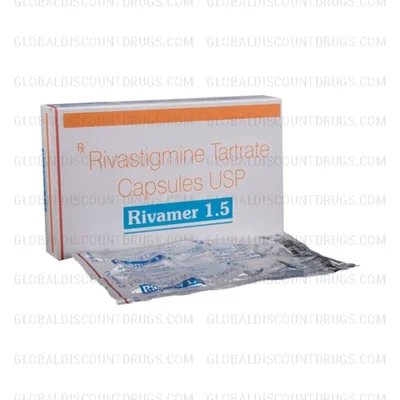


Rivastigmine
In StockRivastigmine is a dual cholinesterase inhibitor used for the symptomatic treatment of mild-to-moderate Alzheimer’s disease and Parkinson’s disease dementia. It works by inhibiting both acetylcholinesterase and butyrylcholinesterase enzymes, increasing the availability of acetylcholine in the brain. This action helps to improve cognitive function, memory, and attention. Rivastigmine is often delivered via a transdermal patch for improved compliance and reduced gastrointestinal side effects.

What is Rivastigmine?
Rivastigmine is a prescription medication that belongs to a class of drugs called cholinesterase inhibitors. It works by affecting certain brain chemicals involved in memory and thinking and is used to help manage symptoms of specific cognitive conditions.
Rivastigmine may be prescribed for:
- Mild to moderate Alzheimer’s disease dementia
- Mild to moderate dementia associated with Parkinson’s disease
Available Formulations and Strengths
Rivastigmine is available in several forms, commonly including:
- Oral capsules, typically in strengths such as Rivastigmine 1.5mg, Rivastigmine 3mg
- Oral solution
- Transdermal patch (applied to the skin), typically in strengths such as 4.6 mg/24 hr, 9.5 mg/24 hr, and 13.3 mg/24 hr
Available strengths and formulations can vary by brand and region. Patients should confirm the exact product prescribed with their pharmacist or specialist.
What is the Recommended Dosage of Rivastigmine?
Dosage of rivastigmine is individualized and depends on several factors, including:
- The condition being treated (Alzheimer’s-related or Parkinson’s-related dementia)
- The formulation used (capsule, oral solution, or patch)
- Age
- Body weight, particularly for patch dosing
- Liver and kidney function
- Individual tolerability, as treatment is often started at a low dose and gradually increased
Dosage Forms Available
- Oral capsules and solution, typically taken twice daily with food
- Transdermal patch, typically applied once daily to clean, dry, hairless skin
Important Dosing Guidance
- Dosing must always follow the specific instructions provided by a licensed neurologist, geriatrician, or psychiatrist experienced in dementia care.
- Patients and caregivers should not adjust the dose or switch between formulations without medical guidance.
- This page does not provide individualized dosing instructions, as appropriate dosing depends on clinical evaluation.
How Rivastigmine Works
Rivastigmine works by inhibiting enzymes called acetylcholinesterase and butyrylcholinesterase. These enzymes normally break down a brain chemical called acetylcholine, which plays an important role in memory, learning, and thinking.
By slowing the breakdown of acetylcholine, rivastigmine helps increase the availability of this chemical in the brain, which may help support cognitive function in people with certain types of dementia.
It is important to understand that rivastigmine does not cure Alzheimer’s disease or Parkinson’s disease dementia and does not stop the underlying progression of these conditions. It may help manage symptoms or slow their worsening for a period of time in some patients.
Is a Prescription Required to Buy Rivastigmine Online?
Yes. Rivastigmine is a prescription-only medication. It should never be purchased or used without a valid prescription from a licensed healthcare provider.
- Patients and caregivers should consult a neurologist, geriatrician, or psychiatrist with experience in managing dementia-related conditions.
- Patients should be cautious of counterfeit, unregulated, or improperly sourced versions of this medication sold online.
- Rivastigmine intended for veterinary or non-human use should never be substituted for human prescriptions.
- Medication should only be purchased from licensed, accredited pharmacies that require a valid prescription.
Side Effects of Rivastigmine
As with any medication, rivastigmine can cause side effects. Not everyone experiences side effects, and their severity can vary depending on the formulation and individual factors.
Common Side Effects
These are generally mild and may include:
- Nausea and vomiting
- Diarrhea
- Loss of appetite
- Dizziness
- Headache
- Weakness or fatigue
- Skin irritation at the patch application site (for transdermal use)
Serious Side Effects
Although less common, some side effects can be more serious and require prompt medical attention:
- Severe or persistent vomiting, especially after a dose increase or restarting treatment
- Significant weight loss
- Slow heart rate or fainting
- Signs of stomach ulcers or gastrointestinal bleeding, such as black or bloody stools
- Seizures
- Signs of a severe skin reaction, particularly with patch use
- Signs of an allergic reaction, such as swelling of the face, lips, or throat, or difficulty breathing
Patients and caregivers should seek immediate medical attention if the patient experiences severe vomiting, signs of dehydration, fainting, irregular heartbeat, or any symptoms that feel severe or sudden.
This is not a complete list of possible side effects. Patients and caregivers should discuss the full risk profile with the prescribing specialist.
Drug Interactions
Rivastigmine can interact with a range of substances, some of which may cause serious effects. Known interaction categories include:
- Other cholinesterase inhibitors or medications with similar effects
- Anticholinergic medications, which may counteract rivastigmine’s effects
- Certain muscle relaxants used during anesthesia
- Medications that affect heart rate, such as certain beta-blockers
- Nonsteroidal anti-inflammatory drugs (NSAIDs), which may increase gastrointestinal risk when combined
Over-the-Counter Medications and Supplements
Many over-the-counter products, including cold remedies, allergy medications, and dietary supplements, may interact with rivastigmine. Caregivers should not assume a product is safe simply because it does not require a prescription.
Patients and caregivers should provide the licensed medical specialist with a complete list of all prescription medications, over-the-counter products, vitamins, and herbal supplements the patient is currently taking before starting rivastigmine.
Safety & Important Considerations
- Liver Function: Rivastigmine may require dose caution in patients with liver impairment; monitoring may be recommended.
- Kidney Function: Patients with significant kidney impairment may require closer monitoring or dose adjustment.
- Pregnancy and Breastfeeding: The safety of rivastigmine during pregnancy and breastfeeding has not been well established. This medication is generally used in older adult populations, but any potential use during pregnancy or breastfeeding should be discussed with a specialist.
- Older Adults: Rivastigmine is commonly prescribed to older adults, who may be more sensitive to gastrointestinal side effects, weight loss, and effects on heart rate.
- Children: Rivastigmine is not indicated for use in children, as the conditions it treats occur in adult and older adult populations.
- Monitoring: Patients may need periodic monitoring of body weight, hydration status, gastrointestinal symptoms, and heart rate while taking this medication.
- Patch-Specific Precautions: Caregivers should rotate the application site of the patch daily, avoid applying heat sources near the patch, and remove the old patch before applying a new one to avoid excessive dosing.
This page does not include every possible warning. A full safety review should be conducted by the prescribing specialist based on the patient’s individual health history.
Who This Medication Is For
Rivastigmine is generally prescribed for adults, most often older adults, who have been diagnosed with:
- Mild to moderate Alzheimer’s disease dementia
- Mild to moderate dementia associated with Parkinson’s disease
Its use is based on a formal diagnosis and clinical evaluation by a neurologist, geriatrician, or psychiatrist.
Who Should Not Take Rivastigmine
Rivastigmine may not be appropriate for individuals who:
- Have a known allergy or hypersensitivity to rivastigmine, other carbamate derivatives, or any of its ingredients
- Have a history of severe skin reactions to the transdermal patch
- Have significant gastrointestinal conditions, such as active ulcers, without specialist guidance
- Have certain heart rhythm conditions
- Have severe liver or kidney impairment, without specialist guidance
This list is not exhaustive. A full medical history review by a licensed specialist is required before starting treatment to determine whether rivastigmine is safe and appropriate.
What to Do If You Miss a Dose
If a dose of rivastigmine is missed:
- Oral forms: Take the missed dose as soon as it is remembered, unless it is close to the time of the next scheduled dose. Do not double the dose.
- Patch: Apply a new patch as soon as remembered, then continue with the regular daily schedule. Do not apply more than one patch at a time.
- If the medication has been stopped for several days or longer, contact the prescribing specialist before restarting, as the dose may need to be restarted at a lower level to reduce the risk of side effects.
- If unsure about what to do, contact a pharmacist or the prescribing specialist for guidance.
Related medications to Rivastigmine
Other medications in the same therapeutic class (cholinesterase inhibitors) or used for related conditions include:
- Donepezil
- Galantamine
- Memantine (a different class, sometimes used alone or in combination for Alzheimer’s disease)
These alternatives work differently and may have different side effect profiles. Switching treatments should only be done under the guidance of a licensed specialist, based on an individualized evaluation.
Storage Instructions
- Store rivastigmine capsules and oral solution at room temperature, generally between 68°F and 77°F (20°C to 25°C), unless otherwise directed on the label.
- Store transdermal patches flat, in their original sealed pouch, until ready for use.
- Keep all forms protected from excess moisture and light.
- Store in a location away from direct sunlight and humidity, such as away from bathrooms.
- Keep out of reach of children and pets, ideally in a locked or secured cabinet. Used patches should be folded in half with the sticky sides together and disposed of safely, out of reach of children and pets, as they may still contain active medication.
- Do not use medication that is expired or improperly stored, and dispose of unused medication according to local guidelines or pharmacist instructions.
Disclaimer:
This page is for educational purposes only. It is not a substitute for professional medical advice, diagnosis, or treatment. Patients and caregivers must consult a licensed neurologist, geriatrician, or psychiatrist before starting, changing, or stopping treatment with rivastigmine. Treatment decisions must be based on a full clinical evaluation by a qualified specialist who understands the patient’s complete medical history, current medications, and individual health needs.
Prescription Required (Rx) to Buy?
This medication is not available over the counter. A valid prescription from a licensed healthcare
professional is required. Always consult your doctor before use.