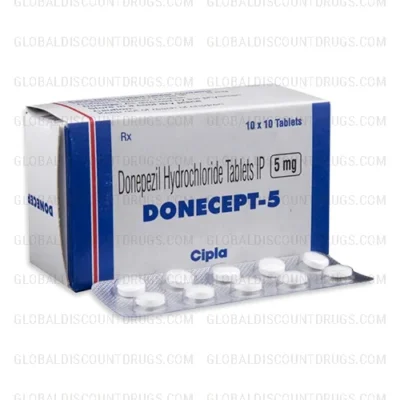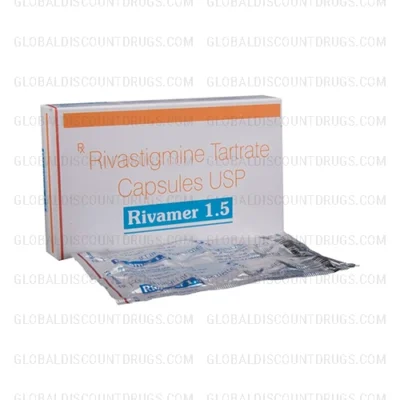

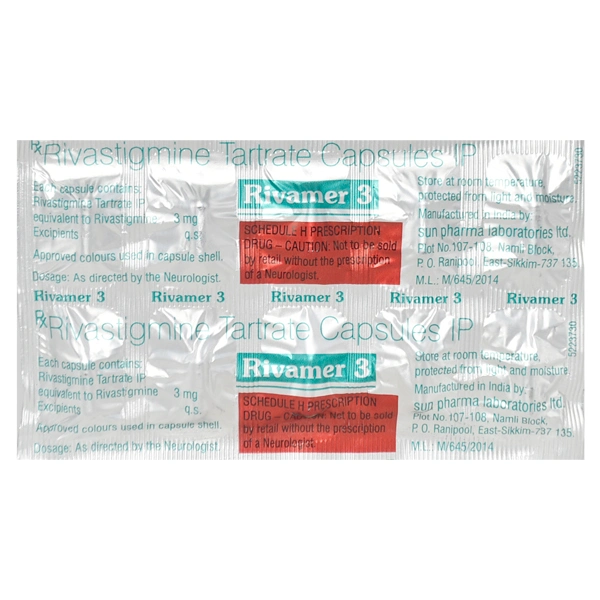
Rivastigmine 3mg
In StockRivastigmine 3 mg Capsule is a prescription cholinesterase inhibitor used to manage dementia associated with Alzheimer’s or Parkinson’s disease. Taking each dose with food may help reduce gastrointestinal effects.
| Active Ingredient: | Rivastigmine |
|---|---|
| Indication: | Alzheimer's Disease |
| Strength: | 3mg |
| Dosage Form: | Capsules |
| Manufacturer: | Sun Pharma |

Rivastigmine 3 mg – Quick Overview
Rivastigmine 3 mg is a prescription cholinesterase inhibitor capsule used to treat mild to moderate dementia of the Alzheimer’s type and dementia associated with Parkinson’s disease. It works by increasing acetylcholine, a brain chemical involved in memory and thinking, but it does not cure either condition. Take it with meals exactly as prescribed, and report nausea, vomiting, or weight loss to your doctor.
Medical Supervision & Regulatory Status
In the United States, Rivastigmine 3 mg capsules are a prescription-only (Rx) medicine regulated by the FDA, and a doctor must diagnose dementia and direct dosing.
Supervision is required because the dose is raised in steps, stomach side effects and weight loss need monitoring, and heart rhythm, breathing, and other health conditions can affect safety. A doctor and caregiver should track memory, behavior, side effects, and weight over time.
Clinical Context
Rivastigmine 3 mg is used to manage symptoms of mild to moderate Alzheimer’s disease dementia and Parkinson’s disease dementia, conditions that affect memory, thinking, behavior, and daily function.
In Alzheimer’s disease and Parkinson’s disease dementia, levels of acetylcholine, a chemical messenger important for memory and attention, are reduced. This can lead to confusion, trouble with daily tasks, and the need for more help from caregivers.
Rivastigmine is one of several cholinesterase inhibitors used in these stages. It may help support thinking and daily function for some people, but it does not cure the disease or stop it from progressing.
How Rivastigmine 3 mg Works
Rivastigmine is a cholinesterase inhibitor that blocks acetylcholinesterase and butyrylcholinesterase, enzymes that break down acetylcholine, so more of this memory-related chemical messenger remains available in the brain.
By slowing the breakdown of acetylcholine, rivastigmine may improve communication between nerve cells that are still working. This does not repair damaged cells.
For patients and caregivers, the realistic goal is more stable thinking and daily function for a period of time. Benefit varies from person to person and is often modest.
What Is Rivastigmine 3 mg?
Rivastigmine 3 mg is a prescription oral capsule containing rivastigmine tartrate, a cholinesterase inhibitor used for mild to moderate Alzheimer’s and Parkinson’s disease dementia under a doctor’s direction.
| Feature | Details |
|---|---|
| Drug class | Cholinesterase inhibitor (anti-dementia medicine) |
| Active ingredient | Rivastigmine (as rivastigmine tartrate) 3 mg per capsule |
| Mechanism | Blocks acetylcholinesterase and butyrylcholinesterase, raising acetylcholine availability in the brain |
| Form | Oral capsule (brand: Exelon; generics available; also oral solution and patch) |
| Dosing frequency | Usually twice daily with meals, as prescribed |
| Regulatory status | Prescription only (Rx), FDA-regulated |
Uses / Indications
Rivastigmine 3 mg is FDA-approved for mild to moderate dementia of the Alzheimer’s type and mild to moderate dementia associated with Parkinson’s disease, and it does not cure either condition.
- Mild to moderate Alzheimer’s dementia: Used to help manage symptoms such as memory loss, confusion, and difficulty with daily activities.
- Mild to moderate Parkinson’s disease dementia: Used to help manage thinking and memory problems that develop in people with Parkinson’s disease.
It is not approved for severe dementia or for use in children. Safety and effectiveness in children have not been established.
How to Use / Dosage
Your doctor determines the dose; adults start at 1.5 mg twice daily with meals and increase gradually, at least two weeks apart, to a maximum of 6 mg twice daily.
A typical labeled schedule is 1.5 mg twice daily, then 3 mg twice daily, then 4.5 mg twice daily, then 6 mg twice daily, with each step lasting at least two weeks if tolerated. The effective range is 6 to 12 mg per day. A 3 mg capsule is usually used as one step in this schedule or as a maintenance dose, and some people stay on a lower dose if higher doses cause side effects. People with kidney or liver impairment may tolerate only lower doses. Your prescription may differ.
General steps
- Take each dose with food, in the morning and evening.
- Swallow the capsule whole with water; do not open, crush, or chew it.
- Use a pill organizer or caregiver reminder to avoid missed or double doses.
- Do not wear a rivastigmine skin patch while taking the capsules.
Timing: Doses are taken in divided amounts, with breakfast and dinner.
Missed dose: Take it with food as soon as you remember. If it is almost time for the next dose, skip the missed one. Never take two doses at once. If you miss doses for more than three days, ask your doctor before restarting.
Do not stop suddenly: Talk to your doctor before stopping, and do not restart at your previous dose after a long gap without medical advice.
Side Effects
Many people tolerate Rivastigmine 3 mg, and nausea or stomach upset is most likely during dose increases, but severe vomiting, slow heartbeat, fainting, and weight loss need prompt medical attention.
Common effects: Nausea, vomiting, diarrhea, loss of appetite, stomach pain, indigestion, dizziness, headache, tiredness or weakness, and sleepiness are among the most commonly reported effects. People with Parkinson’s disease dementia may also notice tremor or worsening of tremor. Taking the capsule with food and increasing the dose slowly can help reduce stomach effects.
Serious effects: Significant weight loss, dehydration from persistent vomiting, and slow heartbeat, heart block, or fainting can occur. Severe vomiting, including rare cases of esophageal rupture, has been reported, particularly after restarting at a high dose following a gap in treatment. Rivastigmine can also increase stomach acid and raise the risk of ulcers and stomach bleeding, may cause or worsen seizures, can worsen asthma or lung disease, and may cause difficulty passing urine. Agitation or hallucinations have also been reported.
Emergency warning signs – seek medical care right away if you notice:
- Repeated or severe vomiting, or being unable to keep down fluids
- Vomiting blood, or black or bloody stools
- Slow or irregular heartbeat, fainting, or chest pain
- A seizure or convulsions
- New or worsening wheezing or trouble breathing
- Being unable to urinate
- Swelling of the face, lips, or tongue, hives, or severe rash
Warnings & Precautions
Rivastigmine 3 mg should not be used by people allergic to rivastigmine or other carbamates, and it needs caution with heart rhythm problems, stomach ulcers, asthma, seizures, or urinary blockage.
Contraindications and allergy: Do not use it if you are allergic to rivastigmine, other carbamate medicines, or any ingredient in the capsule. It is also contraindicated in people who have had a skin reaction suggestive of allergic contact dermatitis with the rivastigmine patch, unless allergy testing is negative.
Drug interactions: Tell your doctor about all medicines you use. Anticholinergic medicines, such as oxybutynin, benztropine, and dicyclomine, can work against rivastigmine, while other cholinesterase inhibitors or cholinergic drugs, such as donepezil, galantamine, and bethanechol, can add to its effects. Beta-blockers, digoxin, and other medicines that slow the heart may increase the risk of slow heartbeat and fainting. NSAIDs such as ibuprofen and naproxen can raise the risk of stomach bleeding. Rivastigmine can also exaggerate the effect of succinylcholine-type muscle relaxants used in anesthesia, so tell any surgeon or anesthesiologist you take it.
Stomach, heart, and weight: Rivastigmine can cause significant nausea, vomiting, and weight loss, especially in people with low body weight. Your doctor may monitor weight and appetite. Use caution with heart rhythm problems such as sick sinus syndrome or conduction defects.
Lung, urinary, and neurologic conditions: Use caution if you have asthma or chronic lung disease, bladder outlet obstruction, a seizure disorder, or Parkinson’s disease, since symptoms such as tremor and stiffness may worsen.
Pregnancy and breastfeeding: There are no adequate studies in pregnant women, so rivastigmine should be used in pregnancy only if the potential benefit outweighs the risk. It may not be safe to breastfeed during treatment, so discuss this with your doctor.
Special populations: People with kidney or liver impairment may tolerate only lower doses. Older adults may be more sensitive to side effects and falls. Use in children is not recommended. Caregivers should help with dosing and report new symptoms.
Monitoring: Keep all follow-up visits so your doctor can review benefit, side effects, weight, heart rate, and the need for continued treatment.
Who Should Not Use This Medication
- Anyone with a known allergy or hypersensitivity to rivastigmine, other carbamate medicines, or any ingredient in the capsule
- People with a past skin reaction to the rivastigmine patch suggestive of allergic contact dermatitis, unless allergy testing has been negative
- Anyone who has not been prescribed rivastigmine by a healthcare provider
- Children and teens, since safety and effectiveness have not been established
- People who restarted after a gap of more than three days without medical guidance, since a lower starting dose is needed
- People with serious heart rhythm problems, active stomach ulcers or bleeding, uncontrolled seizures, or severe lung disease, unless their doctor decides the benefit outweighs the risk and monitors them closely
Storage Instructions
Store Rivastigmine 3 mg capsules at room temperature, about 59–86°F (15–30°C), in a tightly closed container away from moisture and heat, and keep them out of children’s reach.
- Keep capsules in the original labeled container.
- Do not use after the expiration date printed on the package.
- Do not store in a bathroom where humidity is high.
- Because people with memory loss may take extra doses by mistake, consider keeping medicine in a secure place and having a caregiver manage it.
- Ask your pharmacist how to dispose of unused medicine safely.
Frequently Asked Questions
What is the cost of Rivastigmine 3 mg without insurance?
The cost without insurance depends on the seller, brand availability, and pack size. Generic rivastigmine 3 mg is generally more affordable than brand-name Exelon. Price may also vary by location and available discounts, so compare licensed pharmacies and ask your pharmacist about generic options before purchasing. A prescription is still required.
How can I order Rivastigmine 3 mg online?
You can order Rivastigmine 3 mg online only with a valid prescription from a licensed US healthcare provider. Upload your prescription or have your doctor send it, order from a licensed pharmacy, and choose home delivery. Verify the pharmacy’s license, such as through NABP’s .pharmacy verification, and avoid sites that sell without a prescription.
Is Rivastigmine 3 mg available over the counter?
No, Rivastigmine 3 mg is not available over the counter in the United States or in most countries. Regulations may vary by region, but medical supervision is required because dosing is increased gradually and heart, stomach, and breathing conditions must be reviewed. Do not use rivastigmine prescribed for someone else.
Does Rivastigmine 3 mg require a prescription?
Yes, Rivastigmine 3 mg requires a prescription from a licensed healthcare provider in the United States. A doctor confirms the diagnosis, reviews your heart, stomach, breathing, and seizure history and current medicines, and sets a gradual dosing schedule. Regular follow-up helps track benefit, weight, and side effects for the person taking it and their caregivers.
How long does Rivastigmine 3 mg take to work?
Rivastigmine 3 mg does not work right away; any benefit builds gradually over weeks to months, and response varies. Doses are raised slowly, at least two weeks apart, so reaching the target dose can take several weeks. It manages symptoms but does not cure Alzheimer’s or Parkinson’s dementia. Ask your doctor how benefit will be judged.
Is it safe to stop Rivastigmine 3 mg suddenly?
No, do not stop Rivastigmine 3 mg suddenly without talking to your doctor. Stopping may allow symptoms to worsen. If you miss doses for more than three days, do not restart on your own; ask your doctor first, because you may need to begin again at the lowest dose to reduce the risk of severe vomiting.
Can Rivastigmine 3 mg interact with other medicines?
Yes, several medicines can interact with Rivastigmine 3 mg. Tell your doctor about all medicines, especially anticholinergics such as oxybutynin or benztropine, other cholinesterase inhibitors such as donepezil, beta-blockers, digoxin, NSAIDs, and muscle relaxants used in surgery. Some reduce its effect or raise risks of slow heartbeat or stomach bleeding. Never use it with a rivastigmine patch.
What should I do if I miss a dose of Rivastigmine 3 mg?
Take the missed dose with food as soon as you remember, unless it is almost time for the next dose. Then skip the missed capsule and continue your regular schedule. Never take two doses at once to catch up. If more than three days are missed, contact your doctor or pharmacist before restarting.
References
- MedlinePlus (National Library of Medicine). Rivastigmine. https://medlineplus.gov/druginfo/meds/a602009.html
- U.S. Food and Drug Administration. EXELON (rivastigmine tartrate) capsules and oral solution, FDA-approved label (2015 revision). https://www.accessdata.fda.gov/drugsatfda_docs/label/2015/020823s032%2c021025s022lbl.pdf
Medical Disclaimer:
This content is for informational purposes only and does not constitute medical advice, diagnosis, or treatment. Consult a qualified specialist or physician before using Rivastigmine 3 mg.
Prescription Required (Rx) to Buy?
This medication is not available over the counter. A valid prescription from a licensed healthcare
professional is required. Always consult your doctor before use.
| Quantity | 120, 30, 60, 90 |
|---|---|
| Indication | Alzheimer's Disease |
| Active Ingredient | Rivastigmine |
| Pharmaceutical Form | Capsules |
| Manufacturer | Sun Pharma |
| Indian Brand | Rivamer 3mg |
| US Brand Name | Rivastigmine 3mg |
| Generic Name | Rivastigmine |
| Dosage | 3mg |
| Drug Type | Capsules |