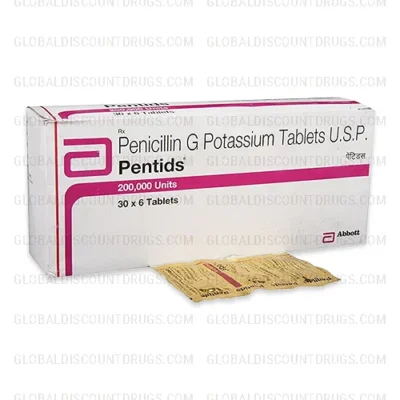


Penicillin G Potassium
In StockPenicillin G Potassium is a prescription medicine used to treat certain bacterial infections, including streptococcal infections, syphilis, and other susceptible infections caused by sensitive bacteria. It belongs to the penicillin antibiotic class and works by interfering with bacterial cell wall formation, helping stop bacterial growth and spread. This action supports the body in clearing infection. Use as directed on the product label or by a healthcare professional.

What is Penicillin G Potassium
Penicillin G Potassium is an antibiotic in the penicillin beta lactam class used to treat a wide range of bacterial infections. It is one of the earliest and widely studied antibiotics and remains important for specific serious infections.
Approved and common uses include
Streptococcal infections
Pneumonia
Skin and soft tissue infections
Bloodstream infections sepsis
Meningitis caused by susceptible bacteria
Syphilis and other sexually transmitted infections
Certain dental and surgical infections
Available formulations and strengths may include
Powder for injection intravenous or intramuscular use
Hospital infusion preparations
Penicillin G Potassium is typically administered in healthcare settings under specialist supervision.
What is the Recommended Dosage of Penicillin G Potassium
Dosage depends on several factors
- Type and severity of infection
- Patient age
- Body weight
- Kidney function
- Hospital treatment protocol
Dosage forms include
- Injectable solution prepared from powder
- Continuous intravenous infusion in some cases
Exact dosing varies widely between infections and is determined by a licensed medical specialist. Patients should not attempt self administration unless specifically instructed and trained by healthcare professionals.
How Penicillin G Potassium Works
Penicillin G Potassium kills bacteria by interfering with the formation of the bacterial cell wall. Without a stable cell wall, bacteria cannot survive, allowing the immune system to clear the infection.
It treats bacterial infections but does not work against viruses. Clinical improvement may begin before the infection is fully cleared, so treatment duration must follow specialist guidance.
Is a Prescription Required to Buy Penicillin G Potassium Online
Penicillin G Potassium is a prescription only medication and is usually administered in hospitals or supervised medical settings.
Relevant specialists may include
Infectious disease specialists
Internal medicine physicians
Hospitalists
Pediatric specialists for children
Because injectable antibiotics require sterile preparation and monitoring, patients should obtain them only through licensed healthcare providers and pharmacies. Avoid unverified or veterinary products.
Side Effects of Penicillin G Potassium
Common Side Effects
Some patients may experience
- Injection site pain or irritation
- Mild rash
- Nausea
- Diarrhea
- Electrolyte changes due to potassium content
These effects are often manageable.
Serious Side Effects:
Rare but important risks include
- Severe allergic reactions anaphylaxis
- Seizures at high doses
- Significant electrolyte imbalance
- Severe skin reactions
- Antibiotic associated colitis
Immediate medical attention is required for breathing difficulty, swelling, widespread rash, severe diarrhea, or neurological symptoms.
Drug Interactions
Penicillin G Potassium may interact with
- Blood thinners
- Other antibiotics
- Diuretics affecting potassium levels
Medications that influence kidney function
Patients should also report
- Over the counter medicines
- Supplements
- Herbal products
Providing a complete medication list helps specialists prevent complications.
Safety and Important Considerations
Important precautions include
- Kidney disease dose adjustment may be required
- Electrolyte imbalance potassium levels may need monitoring
- Pregnancy and breastfeeding generally considered safe when medically necessary but specialist evaluation is required
- Children and elderly careful dosing and monitoring needed
- History of penicillin allergy requires alternative treatment
- Monitoring may include laboratory tests and symptom tracking during treatment.
Who This Medication Is For
Penicillin G Potassium is typically used for
- Patients with confirmed bacterial infections sensitive to penicillin
- Hospitalised patients requiring intravenous antibiotics
- Individuals with serious infections such as meningitis or bloodstream infections
- Patients requiring targeted therapy for syphilis or streptococcal disease
- Use is based on laboratory results, infection severity, and clinical evaluation.
Who Should Not Take Penicillin G Potassium
This medication may not be suitable for individuals with
- Known allergy to penicillin or related antibiotics
- Previous severe beta lactam hypersensitivity reactions
- Certain electrolyte disorders involving high potassium
Precautions may apply to
- Patients with kidney disease
- Individuals with seizure disorders
- Those receiving multiple intravenous medications
A specialist determines appropriateness.
What to Do If You Miss a Dose
Because this medication is usually given in healthcare settings, missed doses are uncommon.
If a scheduled dose is delayed
- Contact the treating healthcare team promptly
- Do not attempt to compensate with additional doses unless instructed
- Maintaining consistent dosing is important for infection control.
Related medications to Penicillin G Potassium
Alternative antibiotics may include
Ceftriaxone
Selection depends on infection type, bacterial resistance, and patient factors. Treatment changes require specialist guidance.
Storage Instructions
- Store unopened vials according to pharmacy instructions
- Protect from light and moisture
- Prepared solutions may require refrigeration depending on formulation
- Keep out of reach of children
Dispose of unused medication through healthcare facilities
Disclaimer
This page is for educational purposes only. It is not a substitute for professional medical advice, diagnosis, or treatment. Patients must consult a licensed infectious disease specialist or other appropriate medical specialist before starting, changing, or stopping treatment. Treatment decisions must be based on a full clinical evaluation by a qualified specialist.
Prescription Required (Rx) to Buy?
This medication is not available over the counter. A valid prescription from a licensed healthcare
professional is required. Always consult your doctor before use.