

Lidocaine-Prilocaine
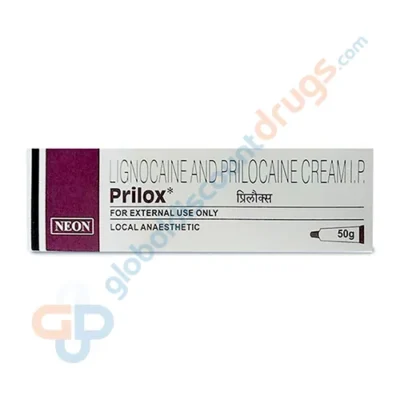
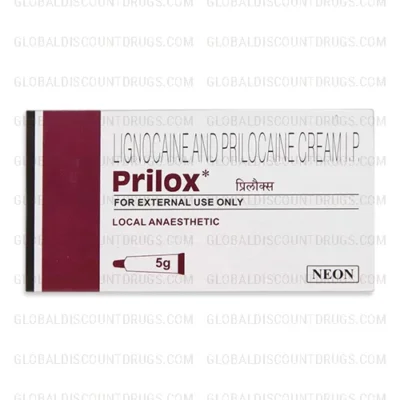
In StockLidocaine-Prilocaine is a topical anesthetic cream used to numb intact skin before minor painful procedures, such as blood draws, IV insertions, or laser treatments. Both lidocaine and prilocaine are amide-type local anesthetics that block nerve signals in the area where the cream is applied. When mixed, their eutectic properties allow them to penetrate the skin more effectively, providing deeper and longer-lasting localized analgesia.

What is Lidocaine-Prilocaine?
Lidocaine-Prilocaine is a combination numbing medicine that contains two local anesthetics:
- Lidocaine: an amide-type local anesthetic that blocks pain signals from nerves.
- Prilocaine: another amide-type local anesthetic that works in a similar way and adds to the numbing effect.
It is sold under brand names such as EMLA and Oraqix, and as generic products.
Drug class
The combination belongs to the group of medicines called local anesthetics, and its common skin and gum forms are topical anesthetics.
Approved and common prescribed uses
Depending on the product and country, lidocaine-prilocaine is used to numb the surface of the skin or gums before:
- Needle procedures, such as blood draws, vaccinations, and IV line placement, including in children
- Minor skin procedures, such as removal of small skin growths, skin biopsies, or laser treatments, as directed by a provider
- Skin graft harvesting and some other minor surgical procedures
- Cleaning of leg ulcers, in some countries
- Treatment of genital skin before certain procedures, as directed by a provider
- Deep cleaning of the gum pockets in the mouth (the periodontal gel form, used by dental professionals)
Uses and approvals differ by country and product, so only use a product for the purpose on its label.
Available formulations and strengths
Strengths and products vary by country and brand, so check your package.
- Cream (commonly lidocaine 2.5% and prilocaine 2.5%)
- Medicated patch or disc, with a set amount of the cream already applied
- Periodontal gel (commonly lidocaine 2.5% and prilocaine 2.5%), used by dental professionals
- Combination products with a covering dressing, such as an occlusive film
What is the Recommended Dosage of Lidocaine-Prilocaine?
The right amount is not the same for everyone. Your healthcare provider or the product label decides how much to use and for how long, based on:
- Procedure and area of skin: the amount and the waiting time depend on where it is used and what it is used for
- Age: infants and young children need smaller amounts and shorter limits, and the product is restricted in the youngest infants
- Body weight: especially important for children, because the maximum amount and the treated area are based on weight
- Health conditions: especially certain blood and enzyme conditions, and liver or heart problems
- Other medicines: some medicines raise the risk of a blood condition called methemoglobinemia
Available dosage forms
Cream, patch or disc, and periodontal gel, as listed above.
Important dosing points
- Follow the instructions on the product label and from your licensed medical specialist or pharmacist.
- The cream is usually applied in a thick layer, not rubbed in, and covered with an airtight dressing. It is left on for the time on the label, often about an hour before a needle procedure, and longer for some procedures. The numbing effect lasts for a short time after the cream is removed.
- Use it only on clean, unbroken skin unless a provider tells you otherwise.
- Do not use more than the amount, the treated area, or the time stated on the label. Using too much, leaving it on too long, or using it on large areas raises the risk of serious side effects.
- Do not apply heat, such as a heating pad, over the treated area.
- Do not use it on a child without your provider’s direction, and follow the limits for the child’s age and weight.
How Lidocaine-Prilocaine Works
Both lidocaine and prilocaine block sodium channels in nerve cells. When these channels are blocked, nerves cannot send pain and touch signals to the brain, so the treated area becomes numb. Using the two together allows the cream to be absorbed through the skin and produce numbing of the upper layers. The effect is temporary and wears off after the medicine is removed and cleared from the area.
This medicine helps reduce pain from procedures. It does not treat the underlying cause of any condition.
Is a Prescription Required to Buy Lidocaine-Prilocaine Online?
Rules differ by country. In the United States, lidocaine-prilocaine cream at 2.5% and 2.5% is generally a prescription-only medicine. In some other countries, it may be available from a pharmacist without a prescription. The periodontal gel is used by dental professionals.
- Talk with a licensed medical specialist or pharmacist before using it. Depending on your needs, this may be your primary care provider, a pediatrician, a dermatologist, a dentist, or an anesthesiologist.
- Buy only from licensed pharmacies, and, where a prescription is required, only with a valid prescription.
- Be careful of counterfeit, unregulated, or compounded numbing creams from unverified sellers. Strong numbing products sold online for cosmetic procedures have caused serious harm.
- Do not use veterinary products or products from unverified online sellers.
Side Effects of Lidocaine-Prilocaine
When used as directed on small areas of intact skin, this medicine is usually well tolerated.
Common side effects
- Pale (blanched) or red skin at the treated area
- Mild swelling
- Itching or a mild burning feeling
- A change in how warm or cold the skin feels
- Tingling or temporary numbness that lasts for a while after use
- Mild skin irritation under the dressing
These effects are usually short-lived. Tell your provider if they continue or bother you.
Serious side effects
Serious reactions are uncommon but need prompt care. Stop using the medicine and get medical help right away if you notice:
- Blue, gray, or pale skin, lips, or nails, headache, shortness of breath, fast heartbeat, dizziness, or unusual tiredness (possible methemoglobinemia, a condition that lowers the oxygen carried in the blood)
- Ringing in the ears, a metallic taste, numbness around the mouth, blurred vision, or twitching
- Severe dizziness, confusion, or unusual drowsiness
- Seizures
- A slow, fast, or irregular heartbeat, chest pain, or fainting
- Slow or difficult breathing
- Swelling of the face, lips, tongue, or throat, wheezing, trouble breathing, or a widespread rash (possible severe allergic reaction)
- Severe skin reaction, blistering, or burns at the application site
- Eye pain or injury if the cream gets into the eye
If you are unsure whether a symptom is serious, contact a healthcare provider or local emergency service.
Drug Interactions
Tell your licensed medical specialist and pharmacist about every medicine you take. Major interaction categories include:
- Medicines linked to methemoglobinemia (such as sulfonamide antibiotics, nitrates and nitrites, nitrofurantoin, dapsone, phenazopyridine, phenytoin, phenobarbital, chloroquine, primaquine, and some other local anesthetics): raise the risk of methemoglobinemia when combined with prilocaine.
- Other local anesthetics (such as benzocaine, bupivacaine, and tetracaine): can add up and raise the risk of toxicity.
- Heart rhythm medicines (such as amiodarone, mexiletine, procainamide, and quinidine): may add to effects on the heart.
- Beta-blockers (such as propranolol) and cimetidine: may raise lidocaine levels in the blood.
- Medicines that slow lidocaine breakdown (such as fluvoxamine and ciprofloxacin): may raise lidocaine levels.
- Sedatives and opioids: may add to drowsiness.
Over-the-counter medicines, supplements, and herbal products
Many over-the-counter numbing products contain other numbing agents, such as benzocaine. Using more than one numbing product at once can raise the risk of serious side effects. Give your provider a complete, up-to-date list of prescription medicines, over-the-counter products, vitamins, supplements, and herbal remedies.
Safety & Important Considerations
- Methemoglobinemia: Prilocaine can cause methemoglobinemia, especially in infants under 12 months, in people with certain inherited enzyme conditions (such as G6PD deficiency), and in people taking certain medicines. The product is not suitable for people with congenital or unexplained methemoglobinemia.
- Infants and children: Use in infants, especially newborns and those under 12 months, is restricted and should follow the age, weight, and area limits on the label. Never use it on a child unless a provider has given directions.
- Too much medicine: Using too much, applying it to large areas, or leaving it on too long can cause dangerous levels in the blood. The U.S. FDA has warned about serious harm, including seizures, irregular heartbeat, and death, from numbing creams used over large areas for cosmetic procedures.
- Broken skin: Do not apply it to open wounds or broken skin unless the label or your provider says it is safe, since more medicine can enter the blood.
- Eyes and ears: Keep it away from the eyes. It should not be used in the ear if the eardrum may be damaged.
- Heat and wraps: Avoid heat or tight wraps beyond the dressing provided, since these can increase absorption.
- Mouth and throat: If used in or near the mouth, numbness can affect swallowing and may raise the risk of choking or biting the tongue or cheek.
- Liver and heart: Use caution in liver disease, heart disease, heart block, or low blood pressure.
- Allergy: Allergic reactions to lidocaine or prilocaine are uncommon, but they can happen. Some products also contain ingredients, such as castor oil, that can cause reactions.
- Pregnancy: It is used in limited amounts in some situations, but data are limited. Talk to your provider before using it at any stage of pregnancy or if you are trying to conceive.
- Breastfeeding: Small amounts can pass into breast milk. Ask your provider before use, and avoid applying it to the breast area where the baby may contact it.
- Older adults: More sensitive to side effects. Smaller amounts and closer monitoring may be needed.
- Driving: If you feel dizzy or drowsy, avoid driving or using machinery.
Who This Medication Is For
Lidocaine-prilocaine is typically used by adults and children who need numbing of the skin before needle procedures or minor skin procedures, and by dental professionals for numbing the gums during certain dental cleanings. Whether it is suitable for you depends on your age, your medical history, your other medicines, and your provider’s assessment.
Who Should Not Take Lidocaine-Prilocaine
Do not use this medicine if you:
- Are allergic to lidocaine, prilocaine, other amide-type local anesthetics (such as bupivacaine), or any ingredient in the product
- Have congenital or unexplained methemoglobinemia, or a family history of it
- Are an infant under 12 months who is taking medicines that can cause methemoglobinemia
- Are using it on large areas, on raw skin, or in the eyes
Use extra caution and speak with your provider first if you have G6PD deficiency, liver disease, heart disease, a heart rhythm problem, or if you are pregnant, breastfeeding, or caring for a very young child.
What to Do If You Miss a Dose
Lidocaine-prilocaine is usually used once, shortly before a procedure, rather than on a regular schedule.
- If you forgot to apply it before your procedure, tell the healthcare staff, since the cream usually needs time to work.
- Do not apply extra cream or leave it on longer than the label allows to make up for lost time.
- If you are unsure what to do, contact your licensed medical specialist or pharmacist.
If you think you have used too much, or a child has swallowed or chewed a product, get emergency medical help or contact a poison control center right away, even if you feel well.
Related medications to Lidocaine-Prilocaine
Other options in the same general therapeutic area may include:
- Lidocaine used alone, as a cream, patch, or injection
- Other numbing creams, such as tetracaine
- Needle-free numbing methods, such as a small injection of lidocaine given with a very fine needle, or a vibrating cold device, as offered by some clinics
- Cold packs, distraction techniques, and comfort positioning, especially for children
- Sugar solution or breastfeeding for comfort during needle procedures in newborns, as advised by a provider
The best option depends on the procedure, your age, your health history, and other medicines. Do not switch, combine, or stop treatments on your own. Any change should be discussed with a licensed medical specialist.
Storage Instructions
- Store at room temperature, generally between 20°C and 25°C (68°F to 77°F), unless the package says otherwise.
- Keep products in their original container or packaging, tightly closed, to protect from moisture, heat, and light.
- Avoid storing in bathrooms or other damp places.
- Do not freeze unless the label allows it.
- Keep creams, patches, and all other forms out of the sight and reach of children and pets. Even small amounts can harm a child if swallowed.
- Do not use after the expiry date. Ask a pharmacist how to dispose of unused or expired medicine and used dressings safely.
Disclaimer:
This page is for educational purposes only. It is not a substitute for professional medical advice, diagnosis, or treatment. Patients must consult a licensed primary care physician, pediatrician, dermatologist, dentist, anesthesiologist, or other relevant medical specialist before starting, changing, or stopping treatment. Treatment decisions must be based on a full clinical evaluation by a qualified specialist.
Prescription Required (Rx) to Buy?
This medication is not available over the counter. A valid prescription from a licensed healthcare
professional is required. Always consult your doctor before use.