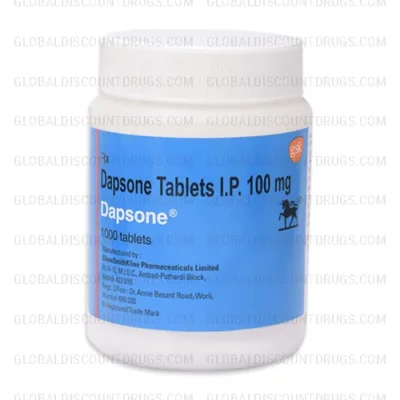

Dapsone
In StockDapsone is a prescription medicine used to treat leprosy (Hansen’s disease) and certain inflammatory skin conditions, including dermatitis herpetiformis associated with gluten sensitivity. It works by helping inhibit bacterial growth and reducing inflammation in the skin. This action supports control of infection and related symptoms. Use as directed on the product label or by a healthcare professional.

What is Dapsone?
Dapsone is a prescription medication used to treat certain skin and infectious conditions. It belongs to a group of medicines known as sulfone antibiotics. It also has anti-inflammatory properties.
Dapsone is approved or commonly prescribed for:
- Leprosy (Hansen’s disease)
- Dermatitis herpetiformis (a skin condition linked to celiac disease)
- Certain bacterial skin infections
- Prevention and treatment of Pneumocystis jirovecii pneumonia (PJP) in some patients
- Other specific inflammatory skin disorders, when recommended by a specialist
Available Formulations
Dapsone is available in:
- Oral tablets
- Topical gel (for acne and certain skin conditions)
Different strengths may be available depending on the formulation and country of approval.
What is the Recommended Dosage of Dapsone?
The correct dose of dapsone depends on:
- The medical condition being treated
- The patient’s age
- Body weight (in some cases)
- Liver function and overall health
- Other medications being taken
How Dapsone Works
Dapsone works in two main ways:
1. Antibacterial action: It slows or stops the growth of certain bacteria.
2. Anti-inflammatory action: It reduces inflammation in the skin and immune system.
In skin conditions like dermatitis herpetiformis, dapsone helps control itching and rash. In infections like leprosy, it helps control bacterial growth as part of combination therapy.
Dapsone manages symptoms and controls disease activity. It does not cure all underlying conditions permanently, and long-term monitoring may be required.
Is a Prescription Required to Buy Dapsone Online?
Yes. Dapsone is a prescription-only medication in most countries.
Patients should consult an appropriate specialist, such as:
- A dermatologist (for skin conditions)
- An infectious disease specialist (for infections like leprosy or PJP)
- A primary care physician managing chronic treatment
Do not purchase dapsone without a valid prescription. Avoid:
- Counterfeit medications
- Veterinary products
- Unlicensed online sellers
Always use licensed and regulated pharmacies.
Side Effects of Dapsone
Like all medications, dapsone can cause side effects. Not everyone experiences them.
Common Side Effects
- Nausea
- Headache
- Loss of appetite
- Mild skin rash
- Dizziness
These effects are often mild but should be reported if they persist.
Serious Side Effects
Dapsone can cause rare but serious reactions, including:
- Hemolytic anemia (breakdown of red blood cells)
- Methemoglobinemia (a condition affecting oxygen delivery in blood)
- Severe skin reactions
- Liver problems
- Nerve damage (rare)
Seek immediate medical attention if symptoms such as:
- Shortness of breath
- Blue or gray lips or skin
- Severe fatigue
- Yellowing of the skin or eyes
- Widespread rash or blistering
occur during treatment.
Regular blood monitoring may be required to detect complications early.
Drug Interactions
Dapsone can interact with other medications.
Major Interaction Categories
- Other antibiotics
- Medications affecting the immune system
- Antimalarial drugs
- Certain anticonvulsants
- Drugs that affect red blood cells
Over-the-Counter (OTC) Medications
Some OTC pain relievers or cold medications may increase certain risks. Always inform your specialist before using new OTC products.
Supplements and Herbal Products
Some supplements may affect liver function or blood health. Provide a full list of:
- Prescription medicines
- OTC medications
- Vitamins
- Herbal supplements
Your licensed medical specialist should review all medications before starting dapsone.
Safety & Important Considerations
Blood Disorders
Patients with G6PD deficiency have a higher risk of hemolytic anemia and require careful evaluation before starting treatment.
Liver Disease
Dapsone is processed in the liver. Patients with liver disease may require monitoring or dose adjustment.
Pregnancy and Breastfeeding
Dapsone may be used in certain cases during pregnancy, but risks and benefits must be carefully evaluated. It can pass into breast milk. A specialist should guide these decisions.
Children and Elderly Patients
Dosing may vary by age and body weight. Elderly patients may need closer monitoring.
Monitoring Requirements
Patients taking oral dapsone often need:
- Regular blood tests
- Monitoring of hemoglobin levels
- Liver function tests
- Symptom tracking
Monitoring helps reduce the risk of serious complications.
Who This Medication Is For
Dapsone is typically prescribed for:
- Patients diagnosed with leprosy as part of combination therapy
- Individuals with dermatitis herpetiformis
- Certain patients needing prevention or treatment of specific infections
- Some inflammatory skin conditions under specialist care
Treatment decisions are based on confirmed medical diagnosis and clinical evaluation.
Who Should Not Take Dapsone
Dapsone may not be appropriate for individuals with:
- Severe allergy to dapsone or sulfone medications
- Severe anemia
- Significant liver disease
- Confirmed G6PD deficiency without proper evaluation
Patients with a history of severe drug reactions should inform their specialist before starting therapy.
What to Do If You Miss a Dose
If you miss a dose:
- Take it as soon as you remember.
- If it is almost time for the next dose, skip the missed dose.
- Do not double the dose.
If unsure, contact your licensed medical specialist for guidance.
Related medicatios to Dapsone
Dapsone is one of the medicines used in multidrug treatment for Hansen’s disease. Related pages include Clofazimine and Rifampin/Rifampicin. These medicines have different roles, adverse-effect profiles, and monitoring requirements within combination treatment.
Storage Instructions
- Store at room temperature.
- Keep away from excessive heat and moisture.
- Protect from direct light.
- Keep out of reach of children.
- Do not use expired medication.
Follow storage instructions provided on the product label.
Disclaimer:
This page is for educational purposes only. It is not a substitute for professional medical advice, diagnosis, or treatment. Patients must consult a licensed dermatologist, infectious disease specialist, or other appropriate medical specialist before starting, changing, or stopping dapsone therapy. Treatment decisions must be based on a full clinical evaluation by a qualified specialist.
Prescription Required (Rx) to Buy?
This medication is not available over the counter. A valid prescription from a licensed healthcare
professional is required. Always consult your doctor before use.