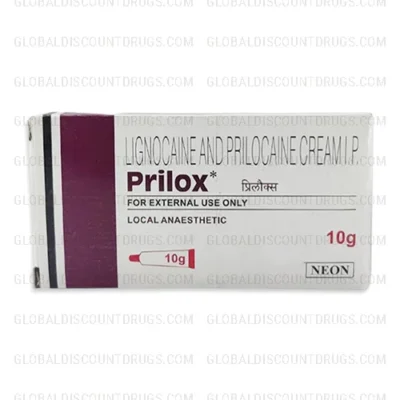
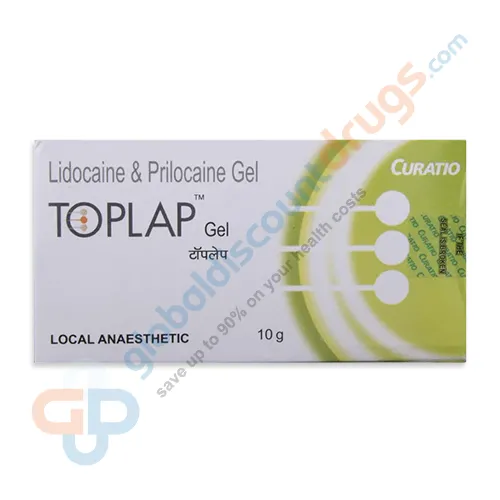
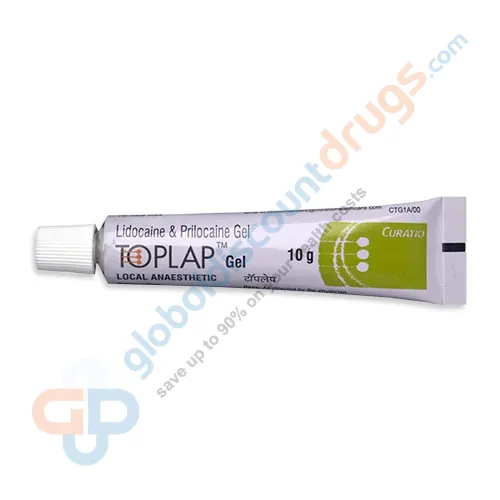
Lidocaine-Prilocaine 2.5%-2.5%- Gel 10g
In StockLidocaine–Prilocaine Gel produces temporary local anesthesia before selected medical procedures by numbing the skin surface. Apply only to the intended treatment area according to professional instructions.
| Active Ingredient: | Lidocaine-Prilocaine |
|---|---|
| Indication: | Local Anesthesia |
| Strength: | 2.5%-2.5% 10g |
| Dosage Form: | Gel |
| Manufacturer: | Torrent Pharmaceuticals Ltd |

Lidocaine-Prilocaine 2.5%-2.5% Gel 10g – Quick Overview
Lidocaine-Prilocaine 2.5%-2.5% gel is a topical local anesthetic used to numb skin or genital mucous membranes before minor medical procedures, such as needle insertion or minor skin surgery. It works by temporarily blocking nerve signals in the area where it’s applied. This product is FDA-approved and used as directed by a physician or pharmacist.
Medical Supervision & Regulatory Status
Lidocaine-Prilocaine 2.5%-2.5% gel is available in the United States by prescription. Medical guidance is recommended because incorrect application, use over large skin areas, or use on broken or irritated skin can increase systemic absorption and the risk of side effects, particularly in infants and young children.
Clinical Context
Many minor medical and cosmetic procedures, such as blood draws, injections, IV placement, or minor skin surgery, cause discomfort at the site of needle or instrument contact. Reducing this discomfort improves patient comfort and cooperation, especially in children.
Without adequate local anesthesia, patients may experience unnecessary pain or anxiety around routine procedures, which can affect willingness to complete needed medical care, particularly for repeated procedures like vaccinations or blood tests.
Lidocaine-Prilocaine gel fits into procedural care as a pre-procedure topical numbing agent, applied to intact skin or certain mucous membranes for a defined period before the procedure begins, under guidance from a healthcare provider.
How Lidocaine-Prilocaine 2.5%-2.5% Gel Works
Lidocaine and prilocaine belong to a drug class called amide-type local anesthetics. Together, they form a eutectic mixture, meaning the two combine to allow better penetration through the skin than either ingredient alone.
Both lidocaine and prilocaine stabilize neuronal membranes by inhibiting the ionic fluxes required for the initiation and conduction of nerve impulses, effectively interrupting pain signal transmission in the treated area.
For patients, this mechanism translates into localized numbness at the application site, reducing the pain associated with needle sticks, minor skin procedures, or certain mucosal procedures when applied for the recommended time.
What is Lidocaine-Prilocaine 2.5%-2.5% Gel?
| Attribute | Detail |
|---|---|
| Drug Class | Amide-type local anesthetic combination |
| Active Ingredients | Lidocaine 2.5% w/w and prilocaine 2.5% w/w |
| Mechanism | Stabilises nerve-cell membranes by blocking sodium-ion movement needed to initiate and transmit pain signals, producing temporary local numbness in the treated area. |
| Form | Topical cream |
| Dosing Frequency | Usually applied as a single dose before a procedure. The amount, application time and need for an occlusive dressing depend on the treatment area and procedure. |
| Regulatory Status | FDA-approved prescription medicine (Rx only) |
Uses / Indications
Topical anesthesia on intact skin: Used to numb the skin before minor procedures such as IV placement, injections, or blood draws.
Topical anesthesia prior to minor dermatological procedures: Used to numb skin before superficial skin surgery.
Topical anesthesia on genital mucous membranes: Used prior to certain minor procedures involving genital mucosa, as directed by a physician.
How to Use / Dosage
Your doctor or pharmacist will determine the amount of gel and application time needed based on the procedure being performed and the area being treated. The gel is typically applied as a thick layer to the intact skin or mucous membrane, then covered with an occlusive dressing for a specified period before the procedure, generally ranging from a short interval on mucous membranes to a longer duration on skin.
Because this product is used on an as-needed basis before procedures rather than on a daily schedule, missed dose guidance does not apply. Do not use more than the amount or duration recommended by your healthcare provider, and do not apply it repeatedly without medical guidance.
Side Effects
Most people tolerate this topical anesthetic gel well when it’s used as directed for a defined period.
Common side effects include temporary redness, mild swelling, paleness, or a burning or tingling sensation at the application site. These effects are usually mild and resolve on their own after the gel is removed.
Serious side effects are uncommon but require prompt medical attention, particularly with prolonged use, application to broken skin, or use over large body surface areas, which can increase absorption into the bloodstream and raise the risk of systemic effects.
Emergency Warning Signs:
- Signs of an allergic reaction, such as facial or throat swelling
- Unusual paleness, bluish skin color, or lips (possible methemoglobinemia)
- Severe dizziness or confusion
- Irregular heartbeat or difficulty breathing
- Seizures or severe drowsiness
- Persistent or worsening irritation at the site
Warnings & Precautions
Lidocaine-Prilocaine gel should not be applied to broken, irritated, or infected skin, near the eyes, or inside the ears, as absorption may be significantly increased in these areas, raising the risk of systemic toxicity. Applying the gel over large surface areas or leaving it in place longer than directed can also lead to excessive absorption.
Methemoglobinemia, a rare but serious blood disorder that reduces oxygen delivery in the body, has been associated with lidocaine-prilocaine products, particularly in infants under 12 months of age and in patients with glucose-6-phosphate dehydrogenase (G6PD) deficiency. Concurrent use with other medications that can contribute to methemoglobinemia, such as certain sulfonamides or nitrates, should be discussed with your doctor.
Use in pregnancy and breastfeeding should be discussed with a healthcare provider, as systemic absorption, while generally low with proper use, is possible. Infants, young children, and patients with liver disease may require closer monitoring due to differences in drug metabolism and increased susceptibility to systemic effects.
Who Should Not Use This Medication
- Individuals with a known hypersensitivity to lidocaine, prilocaine, or amide-type anesthetics
- Infants under 12 months of age, without specific physician guidance
- Patients with congenital or idiopathic methemoglobinemia
- Individuals with G6PD deficiency, unless approved by a specialist
- Application on broken, infected, or severely irritated skin
Storage Instructions
Store the gel at room temperature, away from excess heat and moisture. Keep the tube tightly closed when not in use and protect it from direct light. Keep out of sight and reach of children, as accidental ingestion or improper use in children can be harmful.
Frequently Asked Questions
Does Lidocaine-Prilocaine gel require a prescription?
Yes, this gel requires a prescription in the United States. A healthcare provider determines the appropriate application site, amount, and duration based on your specific procedure.
Is Lidocaine-Prilocaine gel available over the counter?
No, this 2.5%-2.5% strength combination gel is not available over the counter in the United States and requires a prescription due to the risk of systemic absorption if misused.
How can I order Lidocaine-Prilocaine gel online?
You can order this gel online through a licensed U.S. pharmacy after uploading a valid prescription or having your doctor send one electronically. The pharmacy typically verifies the prescription before shipping. Always confirm the pharmacy is licensed and accredited before ordering.
What is the cost of Lidocaine-Prilocaine gel without insurance?
The cost without insurance depends on the seller, brand availability, and pack size, and may also vary by location and available discounts. Generic versions are often more affordable than brand-name alternatives, but pricing should be confirmed with your pharmacy.
How long does it take for Lidocaine-Prilocaine gel to work?
Numbing effects typically begin within the application time directed by your provider, often within about an hour on intact skin or more quickly on mucous membranes. Your provider will specify the correct wait time before the procedure.
Is it safe to stop using Lidocaine-Prilocaine gel suddenly?
Since this gel is used on an as-needed basis for specific procedures rather than as ongoing daily therapy, there is generally no discontinuation concern. Simply follow your provider’s instructions for each use.
What happens if I apply too much or leave it on too long?
Applying more gel than directed or leaving it on longer than recommended can increase absorption into the bloodstream and raise the risk of side effects. Contact your doctor or pharmacist if you’re unsure about proper use.
Resources
DailyMed – Lidocaine and Prilocaine Cream, 2.5%/2.5% Label (NIH)
MedlinePlus – Lidocaine and Prilocaine Topical Drug Information (NIH)
DailyMed – Lidocaine and Prilocaine Cream Consumer Label (NIH)
Medical Disclaimer:
This content is for informational purposes only and does not constitute medical advice, diagnosis, or treatment. Consult a qualified specialist or physician before using Lidocaine-Prilocaine gel.
Prescription Required (Rx) to Buy?
This medication is not available over the counter. A valid prescription from a licensed healthcare
professional is required. Always consult your doctor before use.
| Quantity | 12, 3, 6, 9 |
|---|---|
| Indication | Local Anesthesia |
| Active Ingredient | Lidocaine-Prilocaine |
| Pharmaceutical Form | Gel |
| Manufacturer | Torrent Pharmaceuticals Ltd |
| Indian Brand | Toplap Gel 2.5%-2.5%-10gm |
| US Brand Name | Lidocaine-Prilocaine Gel |
| Generic Name | Lidocaine-Prilocaine |
| Dosage | 2.5%-2.5% 10g |
| Drug Type | Tubes |