

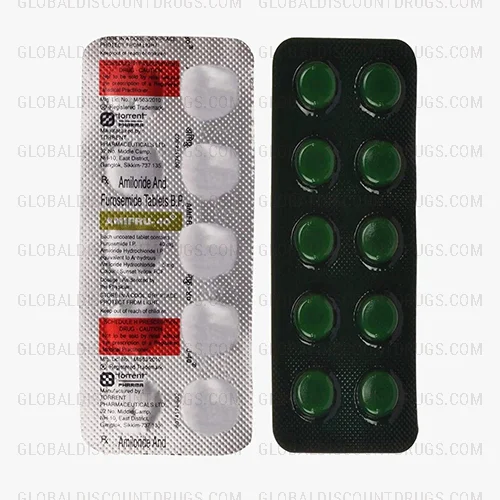
Furosemide-Amiloride 40mg-5mg
In StockFurosemide 40 mg–Amiloride 5 mg Tablet combines a loop diuretic with a potassium-sparing diuretic to manage fluid retention. Kidney function, blood pressure, and electrolyte levels may require regular monitoring.
| Active Ingredient: | Furosemide-Amiloride |
|---|---|
| Indication: | Edema |
| Strength: | 40mg-5mg |
| Dosage Form: | Tablets |
| Manufacturer: | Torrent Pharmaceuticals Ltd |

Furosemide-Amiloride 40mg/5mg – Quick Overview
Furosemide-Amiloride 40mg/5mg is a combination diuretic (“water pill”) used to treat fluid retention (edema) linked to heart, liver, or kidney conditions. Furosemide removes excess fluid while amiloride helps preserve potassium. This combination is prescription-only and requires medical supervision; it is not currently FDA-approved as a single product in the United States.
Medical Supervision & Regulatory Status
This fixed-dose combination is prescription-only (Rx) where available. In the United States, furosemide and amiloride are each individually FDA-approved, but this specific combined-tablet product is not FDA-approved or marketed domestically; it is available as a licensed prescription product in some other countries. Medical supervision is required because diuretic combinations affect fluid balance, blood pressure, and electrolytes, all of which need monitoring.
Clinical Context
Edema — abnormal fluid buildup — commonly develops in patients with congestive heart failure, liver cirrhosis, or kidney disease when the body retains excess sodium and water. Left unmanaged, this fluid overload can worsen breathing, swelling, and cardiovascular strain.
Diuretic therapy is a cornerstone of managing these conditions because it helps the kidneys eliminate excess fluid, reducing symptoms like swelling and shortness of breath. However, potent loop diuretics like furosemide can also deplete potassium.
Combining furosemide with a potassium-sparing diuretic like amiloride is a therapeutic strategy used to achieve effective fluid removal while reducing the risk of low potassium (hypokalemia), a common complication of loop-diuretic-only therapy.
How Furosemide-Amiloride Works
Furosemide belongs to the loop diuretic class and acts on the loop of Henle in the kidney, blocking sodium and chloride reabsorption so more salt and water are excreted as urine.
Amiloride is a potassium-sparing diuretic that works in the distal nephron, blocking sodium channels there. This produces a mild additional diuretic effect while reducing potassium loss caused by furosemide.
Together, these complementary mechanisms allow effective fluid removal with a lower risk of the potassium depletion that furosemide alone can cause — supporting both symptom relief and electrolyte stability.
What is Furosemide-Amiloride?
| Field | Details |
|---|---|
| Drug Class | Loop diuretic + potassium-sparing diuretic combination |
| Active Ingredients | Furosemide 40 mg + Amiloride hydrochloride 5 mg |
| Mechanism | Furosemide reduces sodium and chloride reabsorption in the loop of Henle, increasing urine output. Amiloride blocks epithelial sodium channels in the distal nephron, helping reduce potassium loss. |
| Form | Oral tablet |
| Dosing Frequency | Typically once daily, or as directed by a healthcare professional |
| Regulatory Status | Prescription-only where licensed; this fixed-dose combination is not FDA-approved in the United States. Furosemide and amiloride are each individually FDA-approved as separate drugs |
Uses / Indications
Edema due to congestive heart failure: Helps reduce fluid overload and related swelling and breathlessness.
Edema due to liver cirrhosis: Assists in managing ascites and peripheral swelling under medical supervision.
Edema due to renal disease: May be used to manage fluid retention associated with kidney disorders, as prescribed.
How to Use / Dosage
Dosage is individualized and must be determined by a physician based on the underlying condition, kidney function, and response to treatment. Generally, this medicine is taken once daily, in the morning, to avoid nighttime urination. If a dose is missed, take it as soon as remembered unless it is close to the next dose — do not double up. This medication should never be stopped suddenly without medical advice, as abrupt discontinuation can cause rapid fluid retention or worsening of the underlying condition.
Side Effects
Most people tolerate this combination well, though side effects can occur and should be discussed with a doctor. Common effects may include increased urination, dizziness, headache, dehydration, or mild gastrointestinal upset. Serious effects, though less common, may include significant electrolyte imbalance (particularly high potassium, since amiloride is potassium-sparing), low blood pressure, kidney function changes, or hearing disturbances with high doses.
Emergency Warning Signs — Seek immediate medical care if you experience:
- Irregular heartbeat or palpitations
- Severe muscle weakness or cramping
- Confusion or extreme fatigue
- Significant decrease in urination
- Severe dizziness or fainting
- Swelling of the face, lips, or throat
- Signs of severe dehydration (extreme thirst, dry mouth, little to no urination)
Warnings & Precautions
This medication is contraindicated in people with severe kidney impairment, anuria, hyperkalemia, or known hypersensitivity to sulfonamides, furosemide, or amiloride. Drug interactions are clinically significant: combining with ACE inhibitors, ARBs, potassium supplements, or NSAIDs can raise the risk of dangerously high potassium or reduced kidney function, while use with other blood pressure medications, lithium, aminoglycoside antibiotics, or digoxin requires careful monitoring due to interaction risks. Use during pregnancy or breastfeeding should only occur under close physician guidance, as safety data are limited. Older adults, people with diabetes, and those with pre-existing kidney or liver disease require closer monitoring of kidney function and electrolytes throughout treatment. Regular blood tests to check potassium, sodium, and kidney function are typically recommended during therapy.
Who Should Not Use This Medication
- People with anuria (inability to produce urine)
- Individuals with severe or worsening kidney impairment
- People with hyperkalemia (high blood potassium)
- Those with a known allergy to furosemide, amiloride, or sulfonamide medicines
- Patients with Addison’s disease or untreated adrenal insufficiency
- Anyone currently taking other potassium-sparing diuretics or potassium supplements without medical guidance
Storage Instructions
Store at room temperature, away from excess heat and moisture. Keep the container tightly closed and protect from direct light. Keep out of reach of children and pets, and dispose of any unused or expired medication properly rather than discarding in household trash.
Frequently Asked Questions
What is the cost of Furosemide-Amiloride without insurance?
The cost without insurance depends on the seller, brand availability, and pack size, and may also vary by location and available discounts. Generic diuretics are often more affordable than brand versions. Check with a licensed pharmacy for current pricing.
How can I order Furosemide-Amiloride online?
A valid prescription is required to order this medication. Typically, you upload a prescription or have your doctor send it directly, then order through a licensed pharmacy for home delivery. Always verify the pharmacy is properly licensed before ordering.
Is Furosemide-Amiloride available over the counter?
No, it is not available over the counter in most countries, including the United States. Regulations vary by region, but medical supervision and a valid prescription are required due to its effects on fluid and electrolyte balance.
Does Furosemide-Amiloride require a prescription?
Yes, a prescription is required. This ensures proper medical evaluation of your condition and ongoing monitoring of kidney function and electrolytes for safety.
How long does it take to work?
Furosemide typically begins working within 30-60 minutes of an oral dose, with effects lasting several hours. Full symptom improvement for conditions like edema may take longer and should be assessed by your doctor.
Can I stop taking this medication suddenly?
No, this medication should not be stopped abruptly without medical guidance. Suddenly stopping can cause rapid fluid retention or worsening of the condition it was treating.
Does this medication interact with other drugs?
Yes, it can interact with ACE inhibitors, potassium supplements, NSAIDs, lithium, and certain antibiotics. Always tell your doctor about all medications and supplements you take before starting therapy.
Resources
DailyMed (NIH) – Furosemide Prescribing Information: https://dailymed.nlm.nih.gov
MedlinePlus – Amiloride Information: https://medlineplus.gov/druginfo/meds/a684013.html
MedlinePlus – Furosemide Information: https://medlineplus.gov/druginfo/meds/a682858.html
References
DailyMed (NIH) – Furosemide Tablets, USP Prescribing Information: https://dailymed.nlm.nih.gov/dailymed/fda/fdaDrugXsl.cfm?setid=ea623e21-e9fd-4ef1-843b-82cbc05af5bf
NCBI StatPearls – Furosemide: https://www.ncbi.nlm.nih.gov/books/NBK499921/
MedlinePlus – Amiloride: https://medlineplus.gov/druginfo/meds/a684013.html
Medical Disclaimer
This content is for informational purposes only and does not constitute medical advice, diagnosis, or treatment. Consult a qualified specialist or physician before using Furosemide-Amiloride.
Prescription Required (Rx) to Buy?
This medication is not available over the counter. A valid prescription from a licensed healthcare
professional is required. Always consult your doctor before use.
| Quantity | 180, 270, 360, 90 |
|---|---|
| Indication | Edema |
| Active Ingredient | Furosemide-Amiloride |
| Pharmaceutical Form | Tablets |
| Manufacturer | Torrent Pharmaceuticals Ltd |
| Indian Brand | Amifru 40mg |
| US Brand Name | Furosemide-Amiloride |
| Generic Name | Furosemide-Amiloride |
| Dosage | 40mg-5mg |
| Drug Type | Tablets |