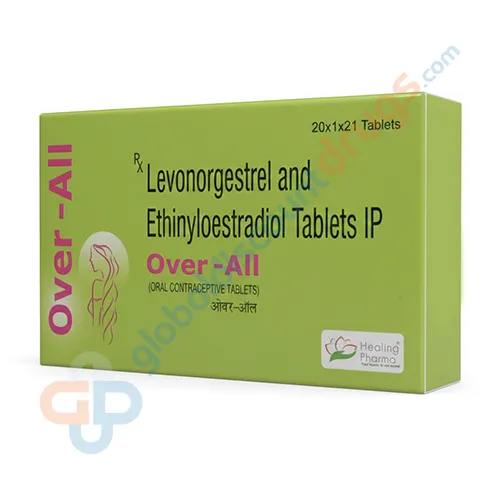
Levonorgestrel-Ethinyl Estradiol
In StockLevonorgestrel-Ethinyl Estradiol is one of the most widely used and highly effective combined hormonal contraceptives. It combines the progestin levonorgestrel with the estrogen ethinyl estradiol to prevent pregnancy. The hormones work primarily by inhibiting ovulation, thickening cervical mucus, and thinning the uterine lining. Beyond contraception, it is often prescribed to regulate menstrual cycles and manage symptoms of conditions like Polycystic Ovary Syndrome (PCOS).

What Is Levonorgestrel-Ethinyl Estradiol?
Levonorgestrel-ethinyl estradiol is a prescription combined oral contraceptive (birth control pill). It contains two hormones:
- Levonorgestrel, a progestin (a man-made form of progesterone)
- Ethinyl estradiol, an estrogen
Its drug class is combination hormonal contraceptives (estrogen plus progestin).
Approved Uses
- Prevention of pregnancy in people who choose to use an oral contraceptive
Other Prescribed Uses
Healthcare providers sometimes recommend combined birth control pills to help make menstrual cycles more regular, reduce period-related symptoms, or limit how often periods occur. These uses are decided by the provider for each patient. Some are not the main approved indication for every product.
Important Notes
- This medicine does not protect against HIV or other sexually transmitted infections (STIs). Condoms lower the risk of STIs.
- This product is not the same as levonorgestrel-only emergency contraception (often called the “morning-after pill”). Daily birth control pills are not meant to be used that way unless a provider tells you to.
Available Formulations and Strengths
Products come in several regimens. Strengths below are common examples, and exact products vary.
| Regimen | Common Strengths (levonorgestrel / ethinyl estradiol) |
|---|---|
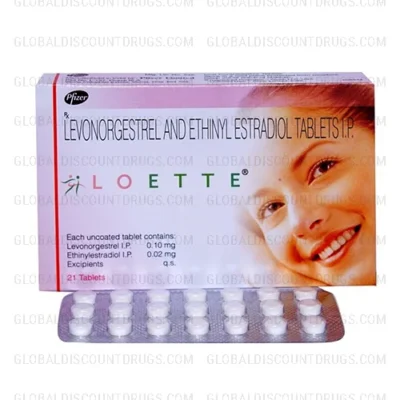
| 28-day pack (21 active + 7 inactive tablets) | 0.1 mg / 20 mcg |
| 28-day pack (21 active + 7 inactive tablets) | Levonorgestrel-Ethinyl Estradiol 0.15mg-30mcg |
| 28-day pack, triphasic (dose changes across the pack) | 0.05 mg, 0.075 mg, 0.125 mg / 30–40 mcg |
| Extended-cycle 91-day pack (84 active + 7 inactive or low-dose estrogen tablets) | Levonorgestrel-Ethinyl Estradiol 0.1mg-20mcg |
| Continuous (no inactive tablets) | 0.09 mg / 20 mcg |
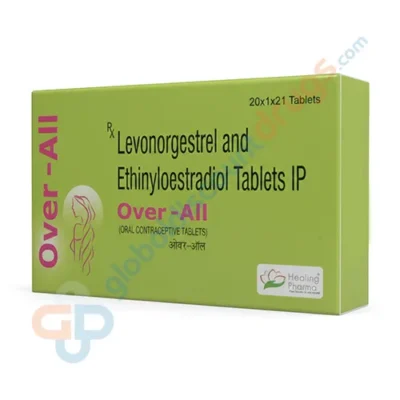
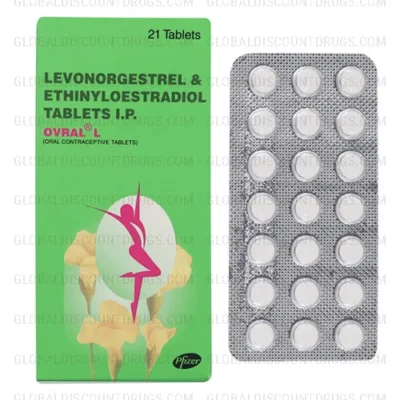
Brand and generic names include Aviane®, Lessina®, Lutera®, Levora®, Portia®, Altavera®, Trivora®, Enpresse®, Seasonale®, Jolessa®, Seasonique®, LoSeasonique®, Amethyst®, and others. Some brands have been discontinued, and available products can vary by country and pharmacy.
What Is the Recommended Dosage of Levonorgestrel-Ethinyl Estradiol?
The label directs patients to take one tablet by mouth every day, at about the same time each day, in the order shown on the pack. The exact schedule, start day, and any backup method needed depend on the product and on your situation. A licensed healthcare provider decides which product and strength are right for you based on:
- Health history. This includes blood clot history, blood pressure, migraine, and cancer history.
- Smoking status and age. Smoking raises the risk of serious heart and blood vessel problems.
- Body weight. Some studies suggest birth control pills may work less well in people with a higher body weight, so providers may discuss this.
- Liver function. The liver processes both hormones.
- Side effects experienced. Some people need a different strength or a different pill.
- Desired bleeding pattern. Monthly, less frequent, or no regular periods depending on the regimen.
- Other medicines. Some medicines can make birth control pills less effective.
Dosage Forms
- Tablets taken by mouth once a day, in monthly, extended, or continuous packs
Important Note
Always follow the exact directions on your prescription label and from your specialist. Do not change your dose, skip pills, or stop treatment without talking to your provider. If you want to stop the pill and do not want to become pregnant, ask your provider about another birth control method first. Exact start-day instructions should come from your provider and pack insert.
How Levonorgestrel-Ethinyl Estradiol Works
Combined birth control pills prevent pregnancy mainly in three ways:
- They stop ovulation. The hormones keep the ovaries from releasing an egg each month.
- They thicken cervical mucus. This makes it harder for sperm to reach an egg.
- They thin the uterine lining. This makes it less likely that a fertilized egg could attach.
The medicine works only while it is taken correctly and consistently. It prevents pregnancy but does not treat or cure any disease. Fertility usually returns after stopping, though it can take some time for regular cycles to resume. No birth control method is 100% effective. Missed pills or interacting medicines can lower effectiveness.
With extended-cycle or continuous products, periods happen less often or may stop. This is expected with these regimens, but unplanned spotting and bleeding are common, especially in the first months.
Is a Prescription Required to Buy Levonorgestrel-Ethinyl Estradiol Online?
Yes. In the United States, levonorgestrel-ethinyl estradiol is a prescription-only medicine. Rules in other countries or states can vary, but a licensed provider should always review whether it is safe for you.
Who Should You Talk To?
- A gynecologist or obstetrician-gynecologist (OB-GYN) is a common specialist for birth control.
- A primary care provider, nurse practitioner, or other licensed prescriber may also help.
- Your provider may check your blood pressure and review your health history before prescribing.
Buying Safely
- Only use pharmacies that are licensed and require a valid prescription. In the U.S., you can check a pharmacy’s status with your state board of pharmacy or look for pharmacy verification programs.
- Be careful of websites that sell birth control without a prescription, offer unusually low prices, or ship from unclear locations. These products may be counterfeit, expired, contaminated, or the wrong strength.
- Do not use products labeled for animals (veterinary products). They are not made or tested for human use.
- Check that the pack, name, strength, and tablet appearance match what your provider prescribed. Ask your pharmacist if anything looks different.
Side Effects of Levonorgestrel-Ethinyl Estradiol
Everyone reacts differently. Many people have few or no side effects. Some effects improve after the first few months.
Common Side Effects
- Nausea or upset stomach
- Spotting or bleeding between periods (breakthrough bleeding), especially in the first months and with extended or continuous regimens
- Breast tenderness or enlargement
- Headache
- Mood changes
- Bloating or fluid retention
- Weight changes
- Lighter, shorter, or missed periods
- Skin changes, such as acne improvement or worsening, or darkening of skin patches on the face (melasma)
- Changes in sex drive
Tell your provider if these are bothersome or do not go away.
Serious Side Effects
Serious problems are uncommon but possible. They include:
- Blood clots, including in the legs (deep vein thrombosis), lungs (pulmonary embolism), heart, or brain
- Stroke and heart attack
- High blood pressure
- Liver problems, including benign liver tumors, gallbladder disease, or jaundice
- Severe headaches or migraines that are new or worsening, especially with vision or speech changes
- Vision changes, such as sudden loss of vision, or problems with contact lenses
- Mood changes, including depression
- High blood sugar or changes in blood fats in some people
- Swelling of the face or body (angioedema) in people with a history of it, as estrogens may worsen symptoms
- Severe allergic reactions
- Breast or cervical cancer risk. Studies show a small possible increase in the risk of certain cancers while using hormonal contraceptives. Regular screening is important.
When to Get Medical Help Right Away
Call emergency services or go to the nearest emergency room if you have:
- Chest pain or pressure, or sudden shortness of breath
- Sudden weakness, numbness, trouble speaking, or confusion
- Sudden severe headache or sudden vision loss
- Pain, swelling, warmth, or redness in one leg
- Coughing up blood
- Severe belly pain
- Swelling of the face, lips, tongue, or throat, or trouble breathing
Contact your provider promptly for yellow skin or eyes, a breast lump, severe depression, ongoing headaches, or very heavy bleeding. A helpful way to remember warning signs is the word ACHES: Abdominal pain, Chest pain, Headaches, Eye problems, Severe leg pain.
Drug Interactions
Some medicines and products can make birth control pills work less well or change how other medicines work.
Major Interaction Categories
- Medicines that speed up liver enzymes (CYP3A4 inducers). These may lower hormone levels and increase the chance of pregnancy or breakthrough bleeding. Examples include rifampin and rifabutin, some seizure medicines (such as carbamazepine, phenytoin, phenobarbital, primidone, topiramate, and oxcarbazepine), and some HIV medicines.
- Medicines that may raise hormone levels. Examples include some antifungals (such as ketoconazole), and certain HIV and hepatitis C medicines. Some hepatitis C medicine combinations have been linked with liver enzyme increases in people using estrogen-containing contraceptives, so follow your specialist’s directions.
- Lamotrigine. Estrogen may lower lamotrigine levels and may affect seizure control. If you stop the pill, lamotrigine levels may rise. This needs provider monitoring.
- Other medicines affected by estrogen, such as some thyroid medicines, certain blood pressure medicines, and some medicines that treat diabetes. Doses may need to be adjusted.
- Antibiotics. Most common antibiotics have not been shown to reduce effectiveness, with rifampin-type antibiotics being the main exception. Ask your pharmacist if you are unsure.
Over-the-Counter (OTC) Medicines
Tell your provider about pain relievers, cold and allergy medicines, antacids, and any other OTC products you use.
Supplements and Herbal Products
- St. John’s wort may lower hormone levels and make birth control less effective.
- Other herbal products and supplements may also interact. Do not start or stop any supplement without checking with your provider or pharmacist.
Lab Tests
Hormonal birth control can affect some lab results, including thyroid, liver, and clotting tests. Tell anyone who orders or reviews your tests that you take it.
What You Should Do
Give your licensed healthcare provider and pharmacist a full, up-to-date list of everything you take: prescriptions, OTC medicines, vitamins, supplements, and herbal products. Keep this list current and carry a copy. If you start a new medicine, ask whether you need a backup birth control method.
Safety & Important Considerations
Boxed Warning (Important FDA Safety Information)
Combined oral contraceptives carry a boxed warning about cigarette smoking and serious cardiovascular events. Smoking raises the risk of serious heart and blood vessel problems, including heart attack, stroke, and blood clots. This risk increases with age (especially after age 35) and with the number of cigarettes smoked. People who smoke and are over 35 should not use this medicine. Smoking cessation support is available from your provider.
Liver and Kidney
- People with liver disease, liver tumors, or abnormal liver function generally should not use this medicine.
- Tell your provider about any kidney problems. They may want to monitor your blood pressure and fluid status.
Pregnancy and Breastfeeding
- This medicine is not meant for use during pregnancy. Stop taking it and contact your provider if you think you are pregnant.
- Estrogen-containing pills can lower breast milk supply. Providers usually recommend waiting until breastfeeding is well established, and sometimes consider other methods. Discuss timing with your provider.
- After childbirth, the risk of blood clots is higher for a period of time. Your provider will advise when it is safe to start.
Age Considerations
- Teens: Combined pills can be used after menstrual periods begin when prescribed by a provider. Teens should be supported with clear instructions on daily use.
- Women over 35 who smoke: Should not use this medicine.
- Women approaching menopause: Provider review is important, since risks may change with age.
- This medicine is not for use before the start of menstrual periods or after menopause.
Monitoring
Your provider may recommend:
- Blood pressure checks before starting and at regular visits
- Review of personal and family history of blood clots, migraines, and cancer
- Breast and pelvic exams and cervical cancer screening as appropriate
- Blood sugar and cholesterol checks if you have risk factors
- Review of any new side effects, bleeding patterns, mood changes, or headaches
Other Points to Know
- Take the pill at the same time each day to help it work well.
- Vomiting or severe diarrhea may affect how well the pill is absorbed. Ask your provider what to do.
- Tell your provider before any surgery, since long periods of bed rest can raise clot risk.
- With extended or continuous regimens, a missed expected period is less useful as a sign of pregnancy. Take a pregnancy test if you think you may be pregnant.
- Birth control pills do not protect against STIs.
Who This Medication Is For
Levonorgestrel-ethinyl estradiol is for people whose healthcare providers decide it fits their needs. Typical patients include:
- People who want a reversible, daily method of preventing pregnancy
- Individuals who can take a pill at about the same time every day
- People who prefer fewer periods, when an extended or continuous product is chosen by a provider
- People who do not have health conditions that make estrogen unsafe after review by a provider
It is not a good choice for everyone. Only a licensed healthcare provider can decide whether it is right for you.
Who Should Not Take Levonorgestrel-Ethinyl Estradiol
Do not use this medicine if you:
- Are pregnant or think you may be pregnant
- Smoke cigarettes and are over 35 years old
- Have or had blood clots in the legs, lungs, eyes, or other parts of the body
- Have or had a stroke or heart attack, or have certain heart valve or heart rhythm problems that raise clot risk
- Have an inherited or acquired clotting disorder
- Have high blood pressure that is not controlled
- Have diabetes with blood vessel, kidney, eye, or nerve damage
- Have migraine headaches with aura, or headaches with focal neurological symptoms
- Have or had breast cancer or another cancer that is sensitive to estrogen or progestin
- Have liver tumors or active liver disease
- Have unexplained vaginal bleeding that has not been checked
- Take certain hepatitis C medicine combinations when your label says not to
- Are allergic to levonorgestrel, ethinyl estradiol, or any ingredient in the product
Precautions
Use extra care and talk with your provider if you have:
- A family history of blood clots, breast cancer, or high cholesterol
- Migraine headaches without aura
- High cholesterol or high triglycerides
- Gallbladder disease
- A history of depression
- Obesity
- Lupus or other autoimmune conditions
- Recent childbirth, miscarriage, or abortion
- Planned surgery
What to Do If You Miss a Dose
Instructions differ between products, especially for extended-cycle and continuous packs. Always check your pack insert and ask your provider or pharmacist if you are not sure.
If You Miss One Active Pill
- Take the missed pill as soon as you remember, even if that means taking two pills on the same day.
- Then continue with the rest of the pack at your usual time.
If You Miss Two or More Active Pills in a Row
- Follow the directions in your pack insert. In general, take the most recently missed pill as soon as you remember and continue the pack.
- Use a backup method such as condoms for the number of days stated in your product directions (often 7 days).
- Contact your provider about whether emergency contraception may be needed, especially if you had unprotected sex.
- You may have spotting or bleeding after missed pills.
If You Miss Inactive Pills
- Missing inactive pills usually does not affect pregnancy protection. Discard the missed pills and start the next pack on time.
Important Notes
- Do not take extra pills beyond what your pack instructs.
- If you are unsure what to do, contact your licensed healthcare provider or pharmacist.
- If you miss a period (or expect one and it does not come) after missing pills, take a pregnancy test and call your provider.
Related medications to Levonorgestrel-Ethinyl Estradiol
Other methods may be used for birth control. Which one fits depends on your health, lifestyle, and goals.
- Other combined hormonal methods, such as different combination pills (using other progestins), the patch, or the vaginal ring
- Progestin-only methods, such as the progestin-only pill, the implant, the injection, or a hormonal IUD
- Non-hormonal methods, such as the copper IUD
- Barrier methods, such as male or female condoms, diaphragms, and cervical caps
- Fertility-awareness methods and permanent options such as sterilization
Each option has its own benefits and risks. Do not switch, stop, or combine methods on your own. Talk with a licensed specialist before making any change, especially if you do not want to become pregnant.
Storage Instructions
- Store at room temperature, generally 68°F to 77°F (20°C to 25°C), unless the label says otherwise.
- Keep the tablets in the original blister pack or container until you take them.
- Protect from moisture and heat. Do not store them in a bathroom or a hot car.
- Protect from light. Keep the pack in a dry place away from direct sunlight.
- Check the expiration date. Do not use pills that are expired, discolored, or damaged.
- Keep out of the sight and reach of children and pets. Consider a locked cabinet or storage box.
- Ask your pharmacist about safe disposal of unused or expired medicine.
Disclaimer:
This page is for educational purposes only. It is not a substitute for professional medical advice, diagnosis, or treatment. Patients must consult a licensed gynecologist (or another relevant licensed medical specialist, depending on the reason for use) before starting, changing, or stopping treatment. Treatment decisions must be based on a full clinical evaluation by a qualified specialist. Always follow the prescribing information and the instructions from your healthcare provider and pharmacist. If you think you are having a medical emergency, call your local emergency number immediately.
Prescription Required (Rx) to Buy?
This medication is not available over the counter. A valid prescription from a licensed healthcare
professional is required. Always consult your doctor before use.