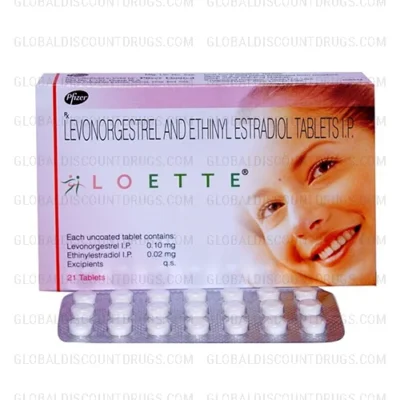


Desogestrel-Ethinyl Estradiol 0.15mg-30mcg
Out of StockDesogestrel 0.15 mg–Ethinyl Estradiol 30 mcg Tablet is a combined hormonal contraceptive used to prevent pregnancy. Daily adherence is important, and it does not protect against sexually transmitted infections.
| Active Ingredient: | Desogestrel-Ethinyl Estradiol |
|---|---|
| Indication: | Contraception |
| Strength: | 0.15mg-30mcg - 21s Pack |
| Dosage Form: | Tablets |
| Manufacturer: | Pfizer Ltd |

Quick Overview
Desogestrel-Ethinyl Estradiol 0.15mg-30mcg is a prescription combination birth control pill used to prevent pregnancy. It contains a progestin (desogestrel) and an estrogen (ethinyl estradiol), which together stop ovulation and thicken cervical mucus. It does not protect against sexually transmitted infections. A prescription and medical supervision are required, including blood pressure checks and a review of clotting and smoking risks.
Medical Supervision and Regulatory Status
In the United States, combination birth control pills containing desogestrel and ethinyl estradiol are available by prescription only, are not controlled substances, and have several FDA-approved generic versions. The label carries a boxed warning about cigarette smoking and serious cardiovascular events. Supervision is needed because the pill can raise blood pressure and the risk of blood clots, stroke, and heart attack, so a prescriber reviews your history and checks blood pressure before and during use.
Clinical Context
Desogestrel and ethinyl estradiol is used for contraception, which means preventing pregnancy in females of reproductive age who choose a hormonal method.
Preventing an unplanned pregnancy supports health as well as family planning, because pregnancy changes blood pressure, clotting, and the way many medicines are handled. The pill only works when taken daily, so the right method is one a person can realistically stick to.
Combination pills are one of several options, along with progestin-only pills, intrauterine devices, implants, injections, and barrier methods. The CDC’s US Medical Eligibility Criteria guide who can safely use estrogen-containing pills, and people with certain clotting, heart, or migraine histories are steered to other methods. Some studies suggest a somewhat higher clot risk with desogestrel pills than with some older progestins, so the prescriber weighs that when choosing among pills.
How Desogestrel-Ethinyl Estradiol 0.15mg-30mcg Works
Ethinyl estradiol and desogestrel are synthetic versions of estrogen and progesterone that prevent pregnancy mainly by stopping the ovaries from releasing an egg (ovulation).
The progestin also thickens the mucus at the cervix, which makes it harder for sperm to travel, and it thins the lining of the uterus. These actions overlap, so the pill has several layers of effect when taken as directed.
For the patient, the practical benefit is reliable pregnancy prevention with consistent daily use. Missed tablets weaken that effect, and the pill gives no protection against HIV or other sexually transmitted infections. The same hormones that prevent ovulation also act on blood clotting, which is the reason for the pill’s warnings.
What Is Desogestrel-Ethinyl Estradiol 0.15mg-30mcg?
- Drug Class: Combined hormonal contraceptive (progestin plus estrogen)
- Active Ingredient: Desogestrel 0.15 mg and ethinyl estradiol 30 mcg per active tablet
- Mechanism: Prevents ovulation, thickens cervical mucus, and thins the uterine lining
- Available Forms and Strengths: Oral tablets in cycle packs, typically with active tablets and inactive reminder tablets
- Dosing Frequency: One tablet by mouth once daily, at the same time each day
- Regulatory Status: US prescription only (Rx), not a controlled substance, generics available
Approved Uses
Desogestrel and ethinyl estradiol tablets are FDA-approved for use by females of reproductive potential to prevent pregnancy, and that is the only indication on the label.
- Prevention of pregnancy: Taken correctly, the pill is a reversible method of contraception. Effectiveness depends heavily on taking a tablet every day.
How to Use and Dosage
The prescriber chooses the start method, and the label describes one tablet by mouth every day at the same time, in the order shown on the pack.
Timing and food: the pill can be taken with or without food, as the label directs, and a daily routine such as brushing teeth helps. In a typical 28-day pack, 21 tablets are active and 7 are inactive, and the next pack starts the day after the last tablet. Pack designs vary, so follow the layout printed on the package. Starting on the first day of your period gives protection right away, while starting on another day usually needs a backup method such as condoms for the first 7 days.
Missed dose: if one active tablet is missed, take it as soon as you remember, even if that means two in one day, and continue as usual. After two or more missed active tablets, follow the missed-pill chart in the package insert and use condoms for 7 days. Vomiting or severe diarrhea soon after a dose can also count as a missed tablet.
Stopping suddenly: there is no withdrawal or rebound effect, and no taper is needed. Stopping ends pregnancy protection immediately, and periods may be irregular for a few months.
Side Effects
Side effects vary from person to person, and many people notice mild changes such as nausea or spotting during the first few months, while a few experience serious clotting problems.
Boxed warning: Cigarette smoking increases the risk of serious cardiovascular events from combination oral contraceptives. The risk rises with age, especially over 35, and with the number of cigarettes smoked, so these pills are contraindicated in women over 35 who smoke.
Common effects: Nausea, breast tenderness, headache, spotting or bleeding between periods, lighter or missed periods, and mood changes are the most reported. The label does not give a single reliable frequency for each, so none are stated here. Spotting often eases after the first few packs.
Serious effects: Blood clots in the legs or lungs, stroke, heart attack, high blood pressure, gallbladder disease, and liver tumors have been reported. Clots in the eye can affect vision. Depression, brown skin patches (melasma), and swelling attacks in people with hereditary angioedema can also occur.
Emergency Warning Signs
- Severe pain, swelling, or warmth in one leg
- Sudden chest pain, shortness of breath, or coughing up blood
- Sudden severe headache, confusion, trouble speaking, or weakness or numbness on one side
- Sudden vision loss or double vision
- Severe stomach pain
- Yellow skin or eyes with dark urine
- Swelling of the face, lips, or tongue, or trouble breathing
Call 911 or go to the nearest emergency department right away if any of these happen, and tell the staff you take birth control pills. Mild or lingering symptoms can be reviewed with the prescriber or a pharmacist.
Warnings and Precautions
This pill must not be used by people over 35 who smoke, people with a history of blood clots, stroke, or certain cancers, or during pregnancy.
The label also contraindicates use with heart valve or rhythm disease that raises clot risk, inherited clotting disorders, uncontrolled high blood pressure, diabetes with blood vessel damage, migraine with aura, liver tumors or active liver disease, undiagnosed abnormal uterine bleeding, breast cancer or other hormone-sensitive cancer, and allergy to any ingredient. Smoking, obesity, prolonged immobility, and recent surgery add to clot risk. Stop the pill at least 4 weeks before major surgery with long bed rest and wait until 2 weeks after full mobility, as the prescriber directs.
Interactions mainly involve medicines that speed up liver breakdown of the hormones and may lower contraceptive protection, including rifampin, carbamazepine, phenytoin, phenobarbital, oxcarbazepine, topiramate, griseofulvin, bosentan, certain HIV medicines, and the herbal product St. John’s wort. Estrogen can lower lamotrigine levels, which may affect seizure control. Hepatitis C regimens containing ombitasvir, paritaprevir, and ritonavir have been linked with liver enzyme rises in people taking ethinyl estradiol. No specific alcohol interaction is listed on the label. Tell the pharmacist about every prescription, nonprescription, and herbal product.
The pill is not for use during pregnancy, and it should be stopped if pregnancy is confirmed. Estrogen-containing pills can reduce breast milk volume, so another method is usually preferred while breastfeeding, especially in the first weeks after delivery. After childbirth, the clot risk is higher, so the prescriber decides when it is safe to start. The pill is for people who have had their first period and is not used after menopause. Liver disease is a contraindication, and the kidney effects have not been studied.
Monitoring includes blood pressure before starting and at regular visits, a yearly check-up, and extra attention to blood sugar and lipids in people with diabetes or high cholesterol, as the prescriber decides.
Who Should Not Use This Medication
The label lists contraindications that exclude people with high clotting or cardiovascular risk, hormone-sensitive cancers, liver disease or tumors, undiagnosed uterine bleeding, pregnancy, and allergy to the ingredients.
- Women over 35 who smoke cigarettes
- Current or past blood clots in the legs or lungs, stroke, or heart attack
- Inherited or acquired clotting disorders, and certain heart valve or rhythm problems
- Uncontrolled high blood pressure, or diabetes with blood vessel disease
- Migraine with aura
- Current or past breast cancer or other hormone-sensitive cancer
- Liver tumors or active liver disease
- Unexplained vaginal bleeding that has not been evaluated
- Known or suspected pregnancy
- Allergy to desogestrel, ethinyl estradiol, or any ingredient in the tablet
Storage Instructions
Store the pack at room temperature in its original packaging, away from moisture, heat, and light, and keep it out of the reach of children.
Keep it at about 68 to 77°F (20 to 25°C) unless the package says otherwise, and avoid leaving it in a car or bathroom. Accidental swallowing by a child can cause nausea or bleeding, so call poison control at 1-800-222-1222 if it happens. For disposal, use an FDA-recommended drug take-back program or pharmacy kiosk. If none is available, mix the tablets with used coffee grounds or cat litter in a sealed bag before throwing them away.
Frequently Asked Questions
What is the cost of Desogestrel-Ethinyl Estradiol 0.15mg-30mcg without insurance?
The cost without insurance depends on the seller, brand availability, and pack size. Location and discounts can change what you pay, and a 3-month supply may be priced differently than a single pack. Generic versions are generally more affordable than brand-name pills, so ask the pharmacist what is stocked. Compare licensed pharmacies and confirm the total before ordering.
How can I order Desogestrel-Ethinyl Estradiol 0.15mg-30mcg online?
You can order it online only with a valid prescription, filled by a licensed US pharmacy. Upload the prescription or ask your prescriber to send it electronically, and the pharmacy ships the pack to your home after verifying it. Before paying, check for a state license and a pharmacist who can answer questions. Avoid sites that skip prescriptions.
Is Desogestrel-Ethinyl Estradiol 0.15mg-30mcg available over the counter?
No, this combination pill is not sold over the counter in the United States. Rules differ by country, and the FDA has approved one progestin-only pill for non-prescription sale, but estrogen-containing pills like this one still need a prescription. A clinician must screen for clotting, blood pressure, and smoking risks first.
Does Desogestrel-Ethinyl Estradiol 0.15mg-30mcg require a prescription?
Yes, a prescription is required. Before prescribing, a clinician checks your blood pressure, personal and family history of blood clots, migraines with aura, liver disease, and cancer, and asks whether you smoke. Follow-up visits then track blood pressure and any new symptoms, because the risks can change with age, weight, surgery, or new health conditions.
How long does Desogestrel-Ethinyl Estradiol 0.15mg-30mcg take to work?
Pregnancy protection starts right away only if the first tablet is taken on day 1 of your period; with other start methods, use a backup method such as condoms for the first 7 days. Side effects like spotting often settle within about 3 months. Individual results vary, so the prescriber confirms the start plan that fits you.
Is it safe to stop taking Desogestrel-Ethinyl Estradiol 0.15mg-30mcg suddenly?
Yes, you can stop without a taper, because the pill causes no withdrawal or rebound effect. The main change is that pregnancy protection ends right away, and fertility can return quickly. Periods may be irregular for a few months. Use another contraceptive if you want to avoid pregnancy, and ask your prescriber about alternatives before the last pack ends.
Can Desogestrel-Ethinyl Estradiol 0.15mg-30mcg interact with other medicines?
Yes, the most important interactions involve medicines that speed up liver breakdown of the hormones and may lower contraceptive protection. Examples include rifampin, carbamazepine, phenytoin, topiramate, certain HIV medicines, and St. John’s wort. Lamotrigine levels can fall, and some hepatitis C combinations raise liver enzyme levels. Tell the pharmacist about every medicine, then use backup contraception if advised.
What should I do if I miss a dose of Desogestrel-Ethinyl Estradiol 0.15mg-30mcg?
If you miss one active tablet, take it as soon as you remember, even if that means two in one day, then continue as usual. If you miss two or more, follow the missed-pill chart in the package insert, use condoms for 7 days, and ask a pharmacist about emergency contraception if you had unprotected sex.
References:
- DailyMed (NIH), desogestrel and ethinyl estradiol tablets drug label: Current FDA-approved prescribing information, including the boxed warning, contraindications, interactions, and missed-pill instructions.
- MedlinePlus, Desogestrel and Ethinyl Estradiol: Plain-language patient information on how to take the pill, precautions, and side effects.
- FDA, Drugs@FDA entry for desogestrel and ethinyl estradiol tablets: Approval history and labeling for the brand and generic products.
Medical Disclaimer:
This content is for informational purposes only and does not constitute medical advice, diagnosis, or treatment. Consult a qualified specialist or physician before using Desogestrel-Ethinyl Estradiol 0.15mg-30mcg.
Prescription Required (Rx) to Buy?
This medication is not available over the counter. A valid prescription from a licensed healthcare
professional is required. Always consult your doctor before use.
| Quantity | 126, 189, 252, 63 |
|---|---|
| Indication | Contraception |
| Active Ingredient | Desogestrel-Ethinyl Estradiol |
| Pharmaceutical Form | Tablets |
| Manufacturer | Pfizer Ltd |
| Indian Brand | Ovral L 0.15mg-30mcg |
| US Brand Name | Desogen, Desogestrel-Ethinyl Estradiol, Mircette, Ortho-Cept |
| Generic Name | Desogestrel-Ethinyl Estradiol |
| Dosage | 0.15mg-30mcg – 21s Pack |
| Drug Type | Tablets |