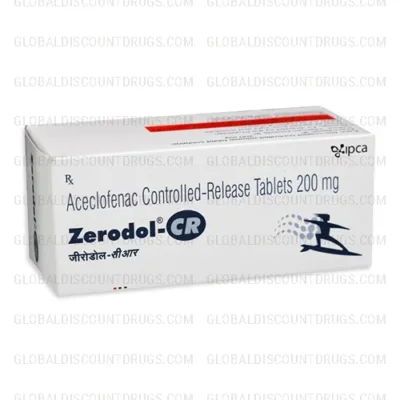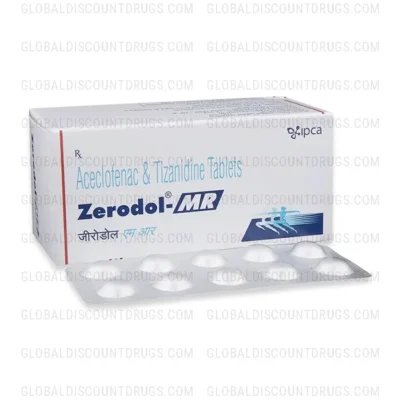

Aceclofenac-Serratiopeptidase
In StockAceclofenac-Serratiopeptidase is a powerful anti-inflammatory and pain relief medicine. It’s used to treat joint pain, backache, and muscle stiffness caused by arthritis or injuries. The blend reduces swelling and improves movement by targeting both pain and inflammation. Serratiopeptidase helps dissolve excess proteins in inflamed tissues, promoting faster healing. With regular use under medical guidance, it provides lasting relief and better joint flexibility.

What is Aceclofenac-Serratiopeptidase?
Aceclofenac-Serratiopeptidase is a fixed-dose combination medicine that contains two active ingredients in one tablet:
- Aceclofenac: a nonsteroidal anti-inflammatory drug (NSAID) that helps reduce pain and inflammation.
- Serratiopeptidase: a proteolytic (protein-digesting) enzyme that is sometimes added to pain and swelling formulations.
Drug class
The combination belongs to the group of anti-inflammatory and analgesic medicines. Aceclofenac is an NSAID, and serratiopeptidase is an enzyme preparation.
Approved and common prescribed uses
This combination is mainly used in some countries, such as India, for short-term relief of pain and swelling. Healthcare providers may prescribe it for:
- Musculoskeletal pain, such as back pain or neck pain
- Pain and swelling after minor injuries, sprains, or strains
- Pain and swelling after dental procedures or minor surgery
- Pain and stiffness from joint conditions such as osteoarthritis, as part of a wider treatment plan
Approval status differs by country. This combination is not an FDA-approved product in the United States. The evidence for serratiopeptidase is more limited than the evidence for aceclofenac, and study results have been mixed.
Available formulations and strengths
The most common form is an oral tablet. A typical tablet contains aceclofenac 100 mg and serratiopeptidase 10 mg or 15 mg. Strengths and tablet types (for example, film-coated tablets) vary by manufacturer. Always check the label on your own package.
What is the Recommended Dosage of Aceclofenac-Serratiopeptidase?
The right dose is not the same for everyone. Your healthcare provider decides the dose and the length of treatment based on:
- Condition: the type and severity of pain or swelling
- Age: older adults are often started with extra caution
- Body weight and overall health: especially when other conditions are present
- Kidney and liver function: reduced function may require a lower dose or a different medicine
Available dosage forms
The combination is generally available as an oral tablet. Tablet strengths may differ, so the number of tablets and how often to take them depends on the product your provider prescribes.
Important dosing points
- Follow the instructions from your licensed medical specialist and the directions on the label.
- This medicine is usually taken with or after food to reduce stomach upset, and swallowed whole with water. Do not crush or chew the tablet unless your provider or pharmacist says it is safe.
- NSAIDs are generally used at the lowest effective dose for the shortest time needed.
- Do not take other NSAIDs at the same time unless your provider tells you to.
How Aceclofenac-Serratiopeptidase Works
Each ingredient works in a different way:
- Aceclofenac blocks enzymes called cyclooxygenases (COX). These enzymes help the body make prostaglandins, which are chemicals that cause pain, swelling, and fever. Lower prostaglandin levels can ease pain and inflammation.
- Serratiopeptidase is an enzyme that is thought to help break down proteins involved in inflammation and swelling. Research on how well it works for pain and swelling is limited.
This medicine helps manage symptoms such as pain and swelling. It does not cure the underlying cause of a condition such as arthritis or an injury.
Is a Prescription Required to Buy Aceclofenac-Serratiopeptidase Online?
In most regions where this combination is sold, it is a prescription-only medicine. Rules can differ by country, so check the regulations where you live.
- Talk with a licensed medical specialist before using it. Depending on your condition, this may be an orthopedic doctor, a rheumatologist, a pain management specialist, or your primary care physician.
- Buy only from licensed, verified pharmacies that ask for a valid prescription.
- Be careful of counterfeit or substandard tablets. Signs include damaged packaging, missing batch numbers or expiry dates, spelling errors on the label, and unusual tablet appearance.
- Do not buy from websites that offer the medicine without a prescription or that cannot show pharmacy licensing details.
Side Effects of Aceclofenac-Serratiopeptidase
Most people tolerate this medicine, but side effects can happen. Not everyone has them.
Common side effects
- Nausea, indigestion, or heartburn
- Stomach pain, gas, or bloating
- Diarrhea or constipation
- Headache or dizziness
- Mild skin rash or itching
These effects are often mild. Taking the medicine with food may help. Tell your provider if they continue or bother you.
Serious side effects
Serious reactions are uncommon but need prompt care. Stop the medicine and get medical help right away if you notice:
- Black, tarry, or bloody stools, or vomiting blood or material that looks like coffee grounds (possible stomach or intestinal bleeding)
- Chest pain, shortness of breath, weakness on one side of the body, or slurred speech (possible heart attack or stroke)
- Yellowing of the skin or eyes, dark urine, severe tiredness, or pain in the upper right abdomen (possible liver problems)
- Swelling of the face, lips, tongue, or throat, wheezing, or trouble breathing (possible severe allergic reaction)
- Widespread rash, blistering, or peeling skin (possible severe skin reaction)
- Sudden swelling in the legs or feet, or much less urine than usual (possible kidney problems)
- Unusual bruising or bleeding
If you are unsure whether a symptom is serious, contact a healthcare provider or local emergency service.
Drug Interactions
Tell your licensed medical specialist and pharmacist about every medicine you take. Major interaction categories include:
- Other NSAIDs and aspirin (such as ibuprofen, diclofenac, naproxen): raise the risk of stomach bleeding and kidney problems.
- Blood thinners and antiplatelet medicines (such as warfarin, clopidogrel): raise the risk of bleeding. Serratiopeptidase may also add to this effect.
- Blood pressure medicines (ACE inhibitors, ARBs, beta-blockers) and diuretics: NSAIDs can reduce their effect and may strain the kidneys.
- Corticosteroids and SSRI antidepressants: may increase the risk of stomach bleeding.
- Lithium, methotrexate, digoxin, and ciclosporin: NSAIDs can raise levels of these medicines in the body.
- Certain antibiotics (such as quinolones): may raise the risk of seizures when combined with NSAIDs.
- Alcohol: increases the risk of stomach irritation.
Over-the-counter medicines, supplements, and herbal products
Over-the-counter pain relievers, cold and flu remedies, and antacids may contain ingredients that interact. Supplements and herbal products that may affect bleeding, such as fish oil, ginkgo, garlic, and ginger in large amounts, should be discussed with your provider. Give your provider a complete, up-to-date list of prescription medicines, over-the-counter products, vitamins, supplements, and herbal remedies.
Safety & Important Considerations
- Stomach and intestines: NSAIDs can cause ulcers and bleeding, even without warning signs. The risk is higher in older adults, in people with a history of ulcers, and with long-term use.
- Heart and blood vessels: NSAIDs carry a safety warning about a higher risk of heart attack and stroke, which can happen early in treatment and may rise with higher doses or longer use. Use extra caution if you have heart disease, high blood pressure, or risk factors for heart disease.
- Liver: NSAIDs can sometimes raise liver enzymes or cause liver injury. Use caution in liver disease. Liver tests may be advised during longer treatment.
- Kidneys: NSAIDs can reduce kidney blood flow. Use caution in kidney disease, dehydration, or heart failure. Kidney function may be monitored.
- Pregnancy: NSAIDs should generally be avoided in the third trimester and used after about 20 weeks only if clearly advised by a provider, because they may affect the baby’s kidneys and heart circulation. Talk to your provider before using this medicine at any stage of pregnancy or if you are trying to conceive.
- Breastfeeding: Ask your provider before use, since small amounts of some ingredients may pass into breast milk.
- Children: This combination is generally not recommended for children and adolescents unless a specialist specifically advises it.
- Older adults: More sensitive to stomach, kidney, and heart effects. Lower doses and closer monitoring may be needed.
- Surgery: Tell your surgeon or dentist you take this medicine, since it may increase bleeding.
- Asthma: Some people with asthma react to NSAIDs with breathing symptoms.
- Driving: Dizziness can occur. Avoid driving or using machinery until you know how the medicine affects you.
Who This Medication Is For
This medicine is typically used by adults who need short-term relief from pain and swelling linked to muscle, bone, or joint problems, minor injuries, or dental and minor surgical procedures. It is a symptom-relief medicine and is not meant to be a long-term solution without medical review. Whether it is suitable for you depends on your medical history, your other medicines, and your specialist’s assessment.
Who Should Not Take Aceclofenac-Serratiopeptidase
Do not take this medicine if you:
- Are allergic to aceclofenac, serratiopeptidase, or any ingredient in the tablet
- Have had asthma, hives, or an allergic reaction after taking aspirin or another NSAID
- Have an active stomach or intestinal ulcer or bleeding, or a history of repeated ulcers or bleeding
- Have severe heart failure, or are about to have or have recently had heart bypass surgery
- Have severe liver or kidney disease
- Have a bleeding disorder
- Are in the third trimester of pregnancy
Use extra caution and speak with your provider first if you have high blood pressure, heart disease, diabetes, inflammatory bowel disease, or mild-to-moderate liver or kidney problems.
What to Do If You Miss a Dose
- Take the missed dose as soon as you remember, with food.
- If it is almost time for your next dose, skip the missed one and continue your normal schedule.
- Do not take two doses at once to make up for a missed dose.
- If you are unsure what to do, contact your licensed medical specialist or pharmacist.
If you think you have taken too much, seek medical help immediately, even if you feel well.
Related medications to Aceclofenac-Serratiopeptidase
Other options in the same general therapeutic area may include:
- Aceclofenac used alone
- Other NSAIDs, such as ibuprofen, naproxen, diclofenac, or etoricoxib
- Aceclofenac-paracetamol combinations
- Paracetamol used alone for mild pain
- Topical NSAID gels or creams for localized joint or muscle pain
- Non-drug approaches such as physical therapy, rest, heat or cold, and exercise programs
The best option depends on your condition, health history, and other medicines. Do not switch, combine, or stop treatments on your own. Any change should be discussed with a licensed medical specialist.
Storage Instructions
- Store at room temperature, generally below 25°C to 30°C (77°F to 86°F), unless the package says otherwise.
- Keep in the original blister pack or container to protect from moisture and light.
- Avoid storing in bathrooms or other damp places.
- Keep out of the sight and reach of children and pets.
- Do not use after the expiry date. Ask a pharmacist how to dispose of unused or expired tablets safely.
Disclaimer:
This page is for educational purposes only. It is not a substitute for professional medical advice, diagnosis, or treatment. Patients must consult a licensed orthopedic specialist, rheumatologist, or other relevant medical specialist before starting, changing, or stopping treatment. Treatment decisions must be based on a full clinical evaluation by a qualified specialist.
Prescription Required (Rx) to Buy?
This medication is not available over the counter. A valid prescription from a licensed healthcare
professional is required. Always consult your doctor before use.