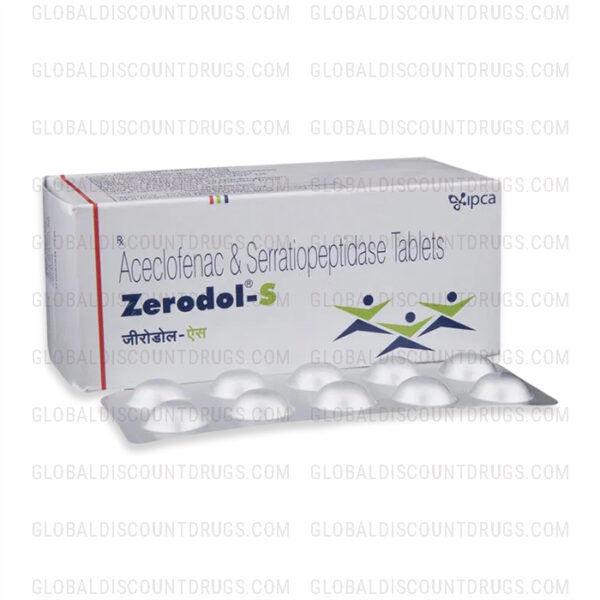
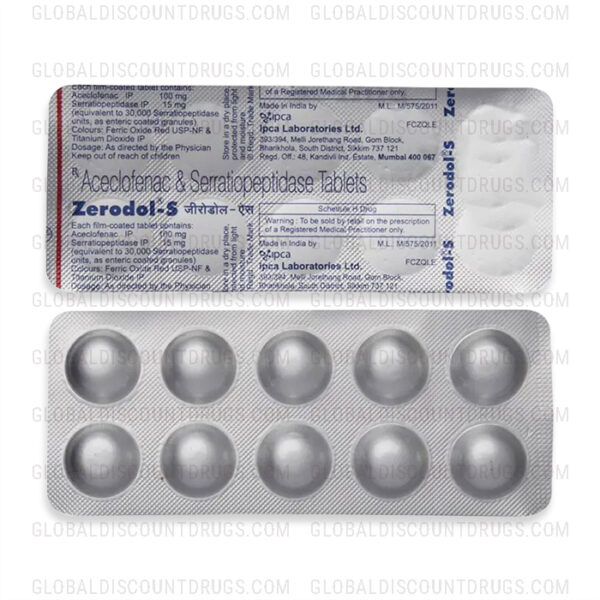
Aceclofenac-Serratiopeptidase 100mg-15mg
In StockAceclofenac 100mg-Serratiopeptidase 15mg is a prescription combination tablet pairing an NSAID with a proteolytic enzyme, used to relieve pain and swelling in musculoskeletal conditions. Take with food to minimize stomach irritation.
| Active Ingredient: | Aceclofenac-Serratiopeptidase |
|---|---|
| Indication: | Pain and Inflammation |
| Strength: | 100mg-15mg |
| Dosage Form: | Tablets |
| Manufacturer: | Ipca |

Quick Overview
Aceclofenac + Serratiopeptidase is a combination medicine used to relieve pain, swelling, and inflammation associated with musculoskeletal conditions such as arthritis, sprains, and post-operative or post-injury swelling. Aceclofenac reduces pain and inflammation, while serratiopeptidase helps reduce swelling and supports faster resolution of inflammation. It is used as prescribed by a doctor, typically for short-term relief.
Medical Supervision & Regulatory Status
This combination is a prescription-only medicine in most markets, including India where it is commonly classified under Schedule H. Regulatory status and availability of this specific fixed-dose combination vary by country, and it may not be approved or marketed in all regions, including the United States. Medical supervision is required because NSAIDs like aceclofenac carry gastrointestinal, cardiovascular, and kidney-related risks that need individual assessment.
Clinical Context
Pain and swelling are common features of musculoskeletal injuries, post-surgical recovery, and inflammatory joint conditions like osteoarthritis and rheumatoid arthritis. Left unmanaged, inflammation can prolong discomfort, delay healing, and limit mobility, making adequate pain and swelling control an important part of recovery.
This combination pairs an NSAID (aceclofenac) with a proteolytic enzyme (serratiopeptidase) that is often used to help reduce inflammatory swelling and edema. Together, they are intended to address both pain and the associated tissue swelling, which may support more comfortable movement during recovery.
This medication is typically used for short-term, acute management rather than long-term daily use, and fits into treatment plans where inflammation and swelling are expected to resolve within days to a few weeks.
How Aceclofenac + Serratiopeptidase Works
Aceclofenac belongs to the class of non-steroidal anti-inflammatory drugs (NSAIDs). It works by inhibiting cyclooxygenase (COX) enzymes, which reduces the production of prostaglandins — chemical messengers responsible for pain, inflammation, and fever.
Serratiopeptidase is a proteolytic enzyme that is thought to help break down inflammatory debris and fibrin at the site of injury, which may help reduce swelling and support tissue repair, though its exact mechanism is not as clearly established as aceclofenac’s.
Together, these two components are intended to target both the pain/inflammation pathway and the swelling associated with tissue injury, potentially offering more comprehensive symptom relief than an NSAID alone.
What is Aceclofenac + Serratiopeptidase?
- Drug Class: NSAID (aceclofenac) + Proteolytic Enzyme (serratiopeptidase)
- Active Ingredients: Aceclofenac 100 mg, Serratiopeptidase 15 mg
- Mechanism: Aceclofenac inhibits COX enzymes to reduce prostaglandin production; serratiopeptidase helps break down inflammatory exudate and reduce swelling
- Form: Oral tablet
- Dosing Frequency: Typically once or twice daily, as directed by a physician
- Regulatory Status: Prescription-only in most markets; availability varies by country
Uses / Indications
- Osteoarthritis and rheumatoid arthritis: Helps relieve joint pain, stiffness, and inflammation.
- Post-traumatic and post-operative swelling: Used to reduce pain and swelling following injury or surgery.
- Acute musculoskeletal pain: Provides relief from sprains, strains, and soft tissue injuries with associated swelling.
- Dental and ENT-related pain/swelling: Sometimes used for short-term relief following minor procedures, as directed by a doctor.
How to Use / Dosage
Dosage must be determined by a physician based on the condition being treated, severity, and individual patient factors such as kidney or liver function. It is generally taken with food or after meals to reduce the risk of stomach irritation, and swallowed whole with water rather than crushed or chewed. If a dose is missed, take it as soon as remembered, unless it is nearly time for the next dose — do not double the dose. This medication should not be stopped abruptly without medical advice if used for an ongoing inflammatory condition, and should not be used for longer than the prescribed duration without follow-up.
Side Effects
Most people tolerate this combination well when used short-term and as directed, but side effects can occur.
Common effects may include stomach discomfort, nausea, heartburn, diarrhea, or mild dizziness.
Serious effects, though less common, can include gastrointestinal bleeding or ulcers, liver enzyme changes, kidney function changes, and allergic skin reactions — risks that increase with higher doses, longer use, or in people with pre-existing conditions.
Emergency Warning Signs — seek medical attention if you experience:
- Black, tarry stools or vomiting blood
- Severe stomach pain
- Yellowing of skin or eyes (jaundice)
- Swelling of face, lips, or throat
- Difficulty breathing
- Chest pain or sudden shortness of breath
- Significant decrease in urination
Warnings & Precautions
This medication should be used with caution in people with a history of peptic ulcers, gastrointestinal bleeding, or inflammatory bowel disease, as NSAIDs can increase the risk of GI complications. It carries an increased cardiovascular risk with prolonged use, so caution is advised in patients with heart disease, uncontrolled hypertension, or a history of stroke. Aceclofenac may reduce blood flow to the kidneys, so it should be used cautiously in people with kidney impairment or those on medications like ACE inhibitors, diuretics, or lithium, as combined use can affect kidney function and drug levels. Concurrent use with blood thinners (such as warfarin) or other NSAIDs/aspirin may increase bleeding risk and should be discussed with a doctor. Use in pregnancy, particularly in the third trimester, is generally avoided due to risks to the fetus, and use during breastfeeding should be evaluated by a physician. Liver function, kidney function, and blood counts may be monitored during extended use.
Who Should Not Use This Medication
- Individuals with active peptic ulcers or a history of GI bleeding
- People with severe kidney or liver impairment
- Patients with known hypersensitivity to aceclofenac, other NSAIDs, or aspirin (including those with NSAID-induced asthma)
- Individuals with severe, uncontrolled heart failure
- Women in the third trimester of pregnancy
- Patients with active bleeding disorders or on strong anticoagulant therapy without medical supervision
Storage Instructions
Store at room temperature, in a cool, dry place away from direct sunlight and moisture. Keep the tablets in their original packaging until use. Keep out of reach and sight of children. Do not use beyond the expiration date printed on the packaging.
Frequently Asked Questions
What is the cost of Aceclofenac + Serratiopeptidase without insurance?
It is generally affordable, particularly as a generic combination. The cost without insurance depends on the seller, brand availability, and pack size, and may also vary by location and available discounts.
How can I order Aceclofenac + Serratiopeptidase online?
A valid prescription is required. You can upload your prescription or have your doctor send it to a licensed pharmacy for processing and home delivery. Always use verified, licensed online pharmacies to ensure authenticity and safety.
Is Aceclofenac + Serratiopeptidase available over the counter?
No, it is not available over the counter in most countries and requires a valid prescription. Regulations may vary by region, but medical supervision is recommended given the NSAID component’s risk profile.
Does Aceclofenac + Serratiopeptidase require a prescription?
Yes, a prescription is required in most regions. This ensures proper evaluation of suitability, dosing, and monitoring for potential side effects.
How long does it take to work?
Pain and swelling relief may be noticed within a few hours to a day of starting treatment, though full anti-inflammatory effect may take a few days of consistent use as prescribed.
Can I stop taking it once I feel better?
Do not stop without consulting your doctor, especially if prescribed for a set course of treatment. Stopping early may lead to incomplete resolution of inflammation or recurring symptoms.
Can this medication interact with other drugs?
Yes, it can interact with blood thinners, other NSAIDs, ACE inhibitors, diuretics, and lithium, potentially increasing bleeding risk or affecting kidney function. Always share your complete medication list with your doctor or pharmacist.
References
- MedlinePlus (NIH) – NSAID Information: https://medlineplus.gov/druginfo/meds/a699001.html
- DailyMed (NIH) – Aceclofenac Product Labeling: https://dailymed.nlm.nih.gov/dailymed/
- U.S. FDA – NSAID Safety Communications: https://www.fda.gov/drugs
Medical Disclaimer
This content is for informational purposes only and does not constitute medical advice, diagnosis, or treatment. Consult a qualified specialist or physician before using Aceclofenac + Serratiopeptidase.
Prescription Required (Rx) to Buy?
This medication is not available over the counter. A valid prescription from a licensed healthcare
professional is required. Always consult your doctor before use.
| Quantity | 120, 30, 60, 90 |
|---|---|
| Indication | Pain and Inflammation |
| Active Ingredient | Aceclofenac-Serratiopeptidase |
| Pharmaceutical Form | Tablets |
| Manufacturer | Ipca |
| Indian Brand | Zerodol-S 100mg-15mg |
| US Brand Name | Aceclofenac-Serratiopeptidase |
| Generic Name | Aceclofenac-Serratiopeptidase |
| Dosage | 100mg-15mg |
| Drug Type | Tablets |