
Sulfacetamide (sulphacetamide) is a prescription sulfonamide antibiotic used on the eye and skin. Eye drops and ointment treat bacterial conjunctivitis, while topical lotions and washes are used for acne and seborrheic dermatitis. It slows bacterial growth by blocking folic acid production. It is not suitable for people with sulfa allergy.
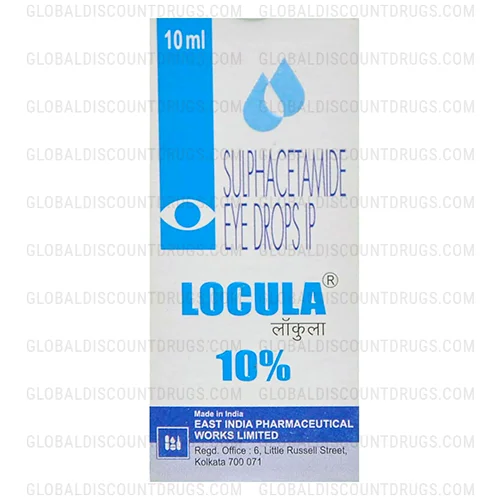

Sulphacetamide/Sulfacetamide
In Stock
Last Updated on 06/10/2026

$7.88
per pill
What Is Sulfacetamide?
Sulfacetamide (also spelled sulphacetamide) is a prescription medication in the sulfonamide (“sulfa”) antibiotic drug class. It is used on the eye and on the skin. It is not taken by mouth for these uses.
Approved uses and common prescribed uses
- Eye drops and eye ointment: treat bacterial conjunctivitis (pink eye) and other superficial bacterial eye infections caused by susceptible germs. In some countries, it is also used with other medicines for trachoma.
- Skin lotion, cleanser, or wash: treat acne, seborrheic dermatitis (a scaly, flaky skin condition), and in some countries rosacea and secondary bacterial skin infections, often combined with sulfur.
- Combination eye products: sulfacetamide with a steroid such as prednisolone for eye inflammation with infection or risk of infection, in some countries.
Available formulations and strengths
- Ophthalmic solution (eye drops): commonly 10%, and in some countries 15% or 30%
- Ophthalmic ointment: commonly 10%
- Topical lotion, cleanser, wash, or cream: commonly 10%, sometimes combined with sulfur 5%
- Combination eye drops or ointment: sulfacetamide with prednisolone, in some countries
Availability varies by country and brand. Each strength has its own detailed page.
What Is the Recommended Dosage of Sulfacetamide?
Dosing depends on several factors:
- Condition and product: Eye infections, acne, and seborrheic dermatitis each use different products, strengths, and schedules.
- Age: Eye products are not recommended in infants under 2 months of age. Skin products have limited safety information in children under 12. Use in children should only be directed by a specialist.
- Body weight: Weight is generally not used to set the dose of eye or skin products.
- Organ function: People with kidney disease should avoid or use caution with some skin products, especially those that also contain sulfur.
Dosage forms: eye drops, eye ointment, and topical lotion, cleanser, or wash.
Dosing must follow your prescriber’s instructions and the product label. Eye infections are often treated for a short time, and the schedule may change as the eye improves. Do not use it longer than directed or stop early without speaking with your specialist. Do not use more than directed.
How Sulfacetamide Works
Sulfacetamide stops bacteria from making folic acid, a vitamin that they need to grow and multiply. It does this by competing with a substance called para-aminobenzoic acid (PABA).
- In the eye: It slows the growth of bacteria that cause conjunctivitis, allowing the body’s immune system to clear the infection.
- On the skin: It helps reduce certain bacteria that can worsen acne and some other skin conditions.
Sulfacetamide slows or stops the growth of bacteria (it is bacteriostatic). It does not work against viruses, fungi, or bacteria that are resistant to sulfonamides. It treats certain infections but does not cure underlying skin conditions such as acne or seborrheic dermatitis.
Is a Prescription Required to Buy Sulfacetamide Online?
Yes. In most countries, sulfacetamide eye drops, eye ointment, and skin products are prescription-only. A licensed specialist must evaluate you first:
- an ophthalmologist (or another licensed eye care professional) for eye infections
- a dermatologist for acne, rosacea, or seborrheic dermatitis
Safety when buying online
- Buy only from licensed, verified pharmacies that require a valid prescription.
- Avoid websites that sell prescription eye or skin medicines without a prescription.
- Counterfeit, expired, or improperly stored eye drops can cause infection or vision harm. Do not use veterinary products.
- Check the packaging, label, and seal when it arrives. Ask a pharmacist if anything looks unusual.
Side Effects of Sulfacetamide
Common Side Effects
Eye products
- Brief stinging or burning when applied
- Eye redness, itching, or irritation
- Blurred vision for a short time (especially with ointment)
- Eyelid swelling or irritation
Skin products
- Skin dryness, redness, or irritation
- Mild burning, stinging, or itching
- Peeling skin
- Sulfur-like smell (with sulfur combinations)
Serious Side Effects
These are uncommon but need prompt attention.
- Severe allergic reactions to sulfa: swelling of the face, lips, tongue, or throat; hives; trouble breathing
- Severe skin reactions: widespread rash, blistering, peeling skin, or sores in the mouth, eyes, or genitals (such as Stevens-Johnson syndrome)
- Blood problems (rare): unusual bruising or bleeding, fever, sore throat, or extreme tiredness
- Signs of a worsening infection: pus, increasing pain, swelling, or worsening redness
- Overgrowth of other germs, such as fungi: new discharge, itching, or white patches
- Skin or eye symptoms that get worse instead of better
Seek emergency medical care for trouble breathing, swelling of the face or throat, or widespread skin blistering or peeling. Contact your specialist promptly if side effects are bothersome or do not go away.
Drug Interactions
Sulfacetamide may interact with:
- Silver-containing products (such as silver nitrate): sulfacetamide is not compatible with silver and may form a harmful mixture
- Products containing PABA or PABA-related ingredients, such as some local anesthetics (procaine, tetracaine) and some sunscreens, which may reduce how well sulfacetamide works
- Other sulfonamide medicines: may add to the risk of allergic reaction
- Other eye drops or ointments: wait at least 5 to 10 minutes between different eye medicines, and use ointments last
- Other skin products, such as harsh cleansers or products with benzoyl peroxide, which may cause skin irritation or discoloration of the skin or fabric when combined with some sulfacetamide skin products
- Medicines that suppress the immune system or other topical antibiotics, depending on the situation. Ask your specialist.
OTC medicines, supplements, and herbal products may also interact. Give your licensed specialist and pharmacist a full list of everything you take, including eye drops, creams, vitamins, and supplements.
Safety & Important Considerations
- Sulfa allergy: Tell your specialist if you have ever had a reaction to sulfonamide medicines. Cross-reactions can occur. Stop use and call your specialist at the first sign of rash or allergic reaction.
- Kidney disease: Skin products, especially those that also contain sulfur, should generally be avoided in people with kidney disease.
- Pregnancy and breastfeeding: Sulfonamides taken by mouth near the end of pregnancy may affect newborns. The amount absorbed from eye or skin use is usually small, but discuss risks and benefits with your specialist before use. Sulfonamides can pass into breast milk, so use should be discussed, especially with newborns or premature babies.
- Children: Eye products are not recommended in infants under 2 months. Use only under the direction of a specialist.
- Older adults: No special dose change is usually needed.
- Solution color: Eye drop solution that has darkened to a deeper yellow or brown should not be used. Discard it and ask your pharmacist for a new bottle.
- Fungal overgrowth: Long use may allow fungi or other germs that are not affected by sulfacetamide to grow.
- Infections that do not improve: If symptoms do not improve in a few days, or get worse, contact your specialist.
- Contact lenses: Do not wear contact lenses while you have an eye infection unless your specialist says it is safe. If you do wear them, remove them before use and wait at least 15 minutes before reinserting.
- Driving and machinery: Eye drops, and especially ointments, may briefly blur your vision. Avoid these activities until your vision is clear.
- Sun exposure: Some skin products may increase skin sensitivity to the sun. Use sun protection as advised.
- Hygiene: Do not touch the dropper tip, tube tip, or applicator to your eye, skin, or any surface. Contaminated products can cause serious infections.
- Do not share your bottle or tube with others.
Who This Medication Is For
- Eye products: Adults and children (not infants under 2 months) with bacterial conjunctivitis or other superficial bacterial eye infections, as diagnosed by a healthcare professional
- Skin products: Adults and older children with acne, seborrheic dermatitis, or rosacea, as directed by a dermatologist or healthcare professional
Who Should Not Take Sulfacetamide
- Anyone allergic to sulfacetamide, other sulfonamides (“sulfa drugs”), or any ingredient in the product
- Infants under 2 months of age (eye products)
- People with severe kidney disease (skin products, especially those that also contain sulfur)
- People with viral or fungal eye infections, as sulfacetamide does not treat these and a different treatment is needed
Tell your specialist about all medical conditions before starting treatment.
What to Do If You Miss a Dose
- Use the missed dose as soon as you remember.
- If it is almost time for the next dose, skip the missed one and return to your usual schedule.
- Do not double the dose to make up for a missed one.
- If you are unsure what to do, contact your licensed specialist or pharmacist.
Related mediaacations to Sulfacetamide
Only a licensed specialist can decide whether a different treatment suits you.
For bacterial eye infections
- Other antibiotic eye drops or ointments (for example, erythromycin, azithromycin, polymyxin B-trimethoprim, or fluoroquinolones such as moxifloxacin or ofloxacin)
- Supportive care, such as cool compresses and artificial tears, for mild cases that may clear on their own
For acne, rosacea, or seborrheic dermatitis
- Benzoyl peroxide
- Topical clindamycin or other topical antibiotics
- Retinoids (for example, adapalene or tretinoin)
- Azelaic acid or metronidazole for rosacea
- Antifungal shampoos or creams for seborrheic dermatitis
Do not stop or switch treatments on your own. Changes should be made only after consultation with your specialist.
Storage Instructions
- Store at room temperature, typically 59°F to 86°F (15°C to 30°C), unless your label says otherwise.
- Keep containers tightly closed and protect from moisture, heat, and direct light.
- Do not freeze eye drops.
- Do not use eye drop solution that has changed color to a dark yellow or brown.
- Keep out of reach and sight of children. Accidental swallowing can be dangerous for young children. Seek emergency help if this happens.
- Do not use past the expiration date. Eye drop bottles should be discarded within a set time after opening (often about 4 weeks). Follow your label and pharmacist’s guidance.
Disclaimer:
This page is for educational purposes only. It is not a substitute for professional medical advice, diagnosis, or treatment. Patients must consult a licensed ophthalmologist (for eye conditions), dermatologist (for skin conditions), or another relevant medical specialist before starting, changing, or stopping treatment. Treatment decisions must be based on a full clinical evaluation by a qualified specialist.
Prescription Required (Rx) to Buy?
This medication is not available over the counter. A valid prescription from a licensed healthcare
professional is required. Always consult your doctor before use.

$0.95 -
$1.16
per pill

$1.08 -
$1.32
per pill

$0.48 -
$0.59
per pill

$0.41 -
$0.65
per pill
