Pirfenidone
In StockPirfenidone is an innovative oral antifibrotic agent used to slow the progression of idiopathic pulmonary fibrosis (IPF), a chronic and debilitating lung disease. It works by inhibiting the synthesis of pro-fibrotic cytokines and reducing the proliferation of fibroblasts. This API helps reduce the accumulation of scar tissue in the lungs. Pirfenidone is an essential breakthrough therapy for preserving lung function and improving prognosis in IPF.

What is Pirfenidone?
Pirfenidone is a prescription medication used to treat idiopathic pulmonary fibrosis (IPF) in adults. IPF is a long-term lung condition in which lung tissue becomes thickened and scarred over time. “Idiopathic” means the cause is unknown.
Drug class: Pirfenidone is often described as an antifibrotic medication. Antifibrotic drugs are designed to slow the scarring process in tissue.
Approved use: In the United States, pirfenidone is FDA-approved for IPF. Uses outside the approved indication should only be considered by a specialist who has reviewed your full medical history.
Available formulations and strengths: Pirfenidone is taken by mouth. Common forms include:
- Capsules (267 mg)
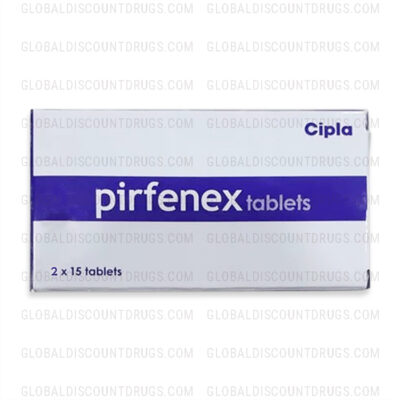
- Tablets (Pirfenidone 200mg)
Brand and generic versions exist. Available strengths can vary by manufacturer and country.
What is the Recommended Dosage of Pirfenidone?
Your dose is set by your prescriber. It depends on several factors:
- Your condition and how you respond to treatment
- Tolerability, meaning how well you handle side effects
- Liver and kidney function
- Other medications you take, since some change how pirfenidone works in the body
- Smoking status, because smoking can lower the amount of drug in the body
Pirfenidone is usually started at a low dose and increased gradually over about two weeks. This helps the body adjust and may reduce stomach-related side effects. It is typically taken three times a day with food. Your specialist may lower or pause the dose if side effects develop.
Always follow the instructions on your prescription label. Do not change your dose, or stop taking the medication, without speaking to your lung specialist.
How Pirfenidone Works
Scientists do not fully understand exactly how pirfenidone works. Laboratory studies suggest it affects several pathways involved in inflammation and in the growth of scar-forming cells. In simple terms, it may help slow the buildup of scar tissue in the lungs.
Pirfenidone does not cure IPF and does not reverse scarring that has already happened. In clinical studies, it was shown to slow the decline in lung function in many people with IPF. Individual results vary, and it may not improve how you feel day to day.
Is a Prescription Required to Buy Pirfenidone Online?
Yes. Pirfenidone is available by prescription only. It should be prescribed and monitored by a licensed medical specialist, most often a pulmonologist (lung specialist) with experience in interstitial lung disease.
Keep these safety points in mind:
- Use only licensed, verified pharmacies that require a valid prescription.
- Be cautious of websites that offer the drug without a prescription. Products from unregulated sources may be counterfeit, contaminated, incorrectly dosed, or expired.
- Check that the packaging, labeling, and appearance match what your pharmacist expects. If anything looks unusual, ask your pharmacist before taking it.
Side Effects of Pirfenidone
Common Side Effects
Many people experience mild to moderate effects, especially early in treatment:
- Nausea, vomiting, or upset stomach
- Diarrhea, heartburn, or stomach pain
- Decreased appetite and weight loss
- Fatigue or dizziness
- Headache or trouble sleeping
- Skin rash or sunburn-like reactions after sun exposure
- Joint pain
- Upper respiratory infections or sinus symptoms
Taking the medication with food often helps with stomach symptoms. Tell your care team about any ongoing side effects, because dose adjustments or supportive steps are often possible.
Serious Side Effects
Serious reactions are less common but require prompt attention:
- Liver problems. Liver enzyme elevations can occur, and rare cases of serious liver injury have been reported.
- Severe sun sensitivity or rash, including blistering or peeling skin
- Swelling of the face, lips, tongue, or throat (angioedema)
- Severe skin reactions, which are rare but serious
Seek immediate medical attention if you have trouble breathing, swelling of the face or throat, widespread skin blistering or peeling, or a severe allergic reaction. Contact your doctor promptly if you notice yellowing of the skin or eyes, dark urine, pale stools, severe stomach pain, unusual tiredness, or persistent nausea.
Drug Interactions
Some substances change how the body processes pirfenidone. Major categories to discuss with your specialist include:
- Medicines that affect the CYP1A2 enzyme. Certain antidepressants (such as fluvoxamine) and some antibiotics (such as ciprofloxacin) can raise pirfenidone levels. Some combinations should be avoided, and others may need a dose change.
- Tobacco and smoking. Smoking can lower pirfenidone levels and may make it less effective. Speak with your care team about quitting support.
- Other medications that can affect the liver
- Over-the-counter (OTC) medications, including pain relievers and acid reducers
- Vitamins, supplements, and herbal products
Give your licensed medical specialist and pharmacist a complete, up-to-date list of everything you take, including OTC products, supplements, and herbal remedies. Update the list whenever something changes.
Safety & Important Considerations
- Liver function: Blood tests are typically done before starting treatment and then regularly (often monthly for the first several months, then less often). Pirfenidone should be used with caution in people with liver disease.
- Kidney function: Use caution in mild to moderate kidney impairment. It is generally not recommended for people with end-stage kidney disease requiring dialysis.
- Sun protection: Pirfenidone can make skin more sensitive to sunlight and UV light. Avoid direct sun and tanning beds, wear protective clothing, and use broad-spectrum sunscreen as advised.
- Pregnancy: Human data are limited. Talk to your specialist before starting if you are pregnant or planning pregnancy.
- Breastfeeding: It is not known whether pirfenidone passes into breast milk. Discuss the risks and benefits with your doctor.
- Older adults: Older adults may be more sensitive to side effects and should be monitored closely.
- Children: Pirfenidone is not approved for use in children.
- Weight and appetite: Report significant weight loss or persistent loss of appetite to your care team.
Who This Medication Is For
Pirfenidone is intended for adults who have been diagnosed with idiopathic pulmonary fibrosis by a qualified specialist. Diagnosis usually involves a review of symptoms, lung function tests, imaging such as a high-resolution CT scan, and sometimes additional testing. Whether pirfenidone is appropriate depends on your overall health, other conditions, and treatment goals.
Who Should Not Take Pirfenidone
Pirfenidone may not be suitable for people who:
- Have had an allergic reaction to pirfenidone or any of its ingredients, including a history of angioedema with pirfenidone
- Take fluvoxamine, which is a contraindicated combination in some countries
- Have severe liver impairment or end-stage kidney disease requiring dialysis, where use is generally not recommended
Precautions apply for people with mild to moderate liver or kidney problems, people who smoke, and people who cannot avoid significant sun exposure. Your specialist will weigh these factors against the potential benefits.
What to Do If You Miss a Dose
- Take the missed dose as soon as you remember, with food.
- If it is almost time for your next dose, skip the missed one and continue your regular schedule.
- Do not double up to make up for a missed dose.
- If you miss several days in a row, do not simply restart at your previous dose. Your specialist may need to restart the gradual dose increase. Contact your care team for guidance.
Related medications to Pirfenidone
Treatment choices for IPF are individualized. Options your specialist may discuss include:
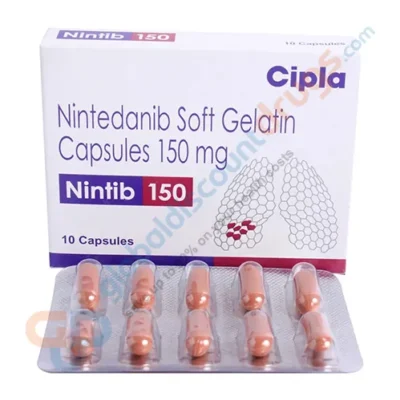
- Nintedanib, another prescription medication approved for IPF that works through a different mechanism (a tyrosine kinase inhibitor)
- Newer approved therapies, which may become available over time
- Supportive and non-drug care, such as pulmonary rehabilitation, supplemental oxygen when needed, vaccinations, symptom management, and lung transplant evaluation in selected patients
Each option has its own benefits, risks, and monitoring needs. Do not switch or stop treatment without consulting your lung specialist.
Storage Instructions
- Store at room temperature, generally 68°F to 77°F (20°C to 25°C), unless your label says otherwise.
- Keep the container tightly closed and protect it from moisture and excess heat, such as in a bathroom or car.
- Protect from light by keeping it in the original container.
- Store out of the sight and reach of children and pets.
- Do not use expired medication. Ask your pharmacist about safe disposal options.
Disclaimer
This page is for educational purposes only. It is not a substitute for professional medical advice, diagnosis, or treatment. Patients must consult a licensed pulmonologist or other qualified medical specialist before starting, changing, or stopping treatment. Treatment decisions must be based on a full clinical evaluation by a qualified specialist. If you think you are having a medical emergency, call your local emergency number immediately.
Prescription Required (Rx) to Buy?
This medication is not available over the counter. A valid prescription from a licensed healthcare
professional is required. Always consult your doctor before use.