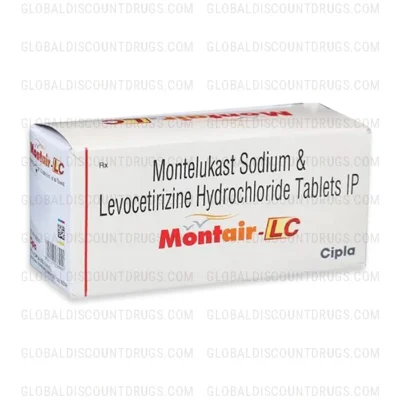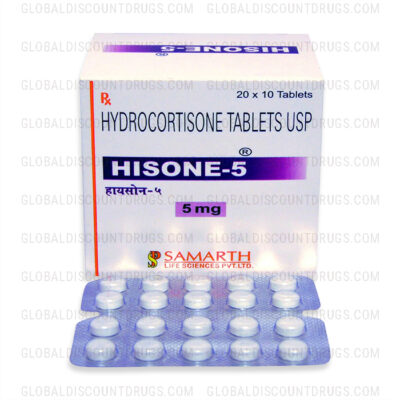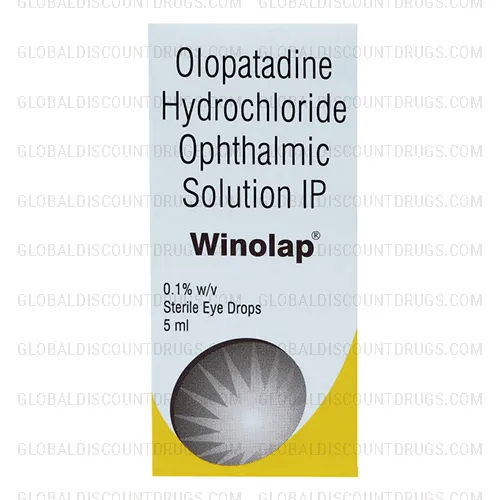
Olopatadine
In StockOlopatadine is a prescription medicine used to help relieve symptoms of allergic conditions such as allergic conjunctivitis and allergic rhinitis. It works as an antihistamine by blocking histamine receptors involved in allergic reactions, helping reduce itching, redness, watering of the eyes, and nasal discomfort. This action supports effective allergy symptom control. Use only as directed on the product label or by a healthcare professional.

What is Loratadine?
Loratadine is a medication used to relieve symptoms caused by allergies. It belongs to a group of medicines called second-generation antihistamines, which are designed to reduce allergic reactions while causing less drowsiness than older antihistamines.
Healthcare professionals commonly recommend loratadine to manage symptoms related to:
- Seasonal allergic rhinitis (hay fever)
- Perennial allergic rhinitis (year-round allergies)
- Chronic idiopathic urticaria (long-lasting hives)
- Allergy-related itching, sneezing, runny nose, and watery eyes
- Loratadine helps control allergy symptoms but does not cure the underlying allergic condition.
Available formulations and strengths
Loratadine may be available in several dosage forms depending on the manufacturer and country:
- Oral tablets
- Chewable tablets
- Orally disintegrating tablets
- Oral syrup or liquid formulations
Strengths vary by manufacturer. Individual product pages typically provide detailed information about specific strengths and formulations.
What is the Recommended Dosage of Loratadine?
The appropriate dosage of loratadine varies depending on several patient-specific factors. A licensed healthcare professional determines the most appropriate dose after evaluating the patient’s condition.
Factors that influence dosage
Dosage may depend on:
- The type and severity of allergic condition
- Age
- Body weight (especially for children)
- Kidney or liver function
- Other medications being used
How Loratadine Works
Loratadine works by blocking the effects of histamine, a chemical released by the immune system during an allergic reaction.
When the body encounters an allergen—such as pollen, dust, pet dander, or mold—it releases histamine. This chemical triggers symptoms like:
- Sneezing
- Runny nose
- Itchy or watery eyes
- Skin itching or hives
Loratadine blocks histamine H1 receptors, which helps reduce these symptoms. Because it is a second-generation antihistamine, it generally causes less sedation than older antihistamines.
The medication helps manage allergy symptoms but does not eliminate the underlying allergy trigger.
Is a Prescription Required to Buy Loratadine Online?
In many countries, loratadine is available as an over-the-counter (OTC) medication. However, some formulations or strengths may still require a prescription depending on regional regulations.
Even when available without a prescription, patients should consider consulting a licensed healthcare professional before starting treatment.
Specialists who may recommend loratadine
Depending on the condition being treated, consultation may involve:
- Allergist or immunologist – for persistent allergic conditions
- Dermatologist – for chronic hives or allergy-related skin symptoms
- Primary care physician – for general allergy management
When purchasing medicines online, patients should:
- Buy only from licensed pharmacies
- Avoid counterfeit or unverified products
- Verify that the pharmacy complies with national regulatory standards
Side Effects of Loratadine
Most people tolerate loratadine well. However, side effects may occur in some individuals.
Common Side Effects
Mild side effects may include:
- Headache
- Dry mouth
- Fatigue
- Nervousness
- Mild stomach discomfort
These effects are usually temporary and may improve as the body adjusts to the medication.
Serious Side Effects
Although uncommon, serious reactions may occur and require immediate medical attention.
Potential serious reactions include:
- Severe allergic reactions (rash, swelling, difficulty breathing)
- Rapid or irregular heartbeat
- Severe dizziness
- Persistent skin rash
Seek urgent medical care if any severe symptoms appear after taking loratadine.
Drug Interactions
Loratadine may interact with certain medications, supplements, or herbal products.
Major interaction categories
Possible interactions may occur with:
- Other antihistamines
- Certain antifungal medications
- Macrolide antibiotics
- Medications affecting liver enzyme activity
Over-the-counter medications
Some OTC medicines may contain antihistamines or ingredients that interact with loratadine.
Examples include:
- Cold and flu combination medicines
- Allergy medications
- Sleep aids containing antihistamines
Supplements and herbal products
Patients should inform their healthcare provider about:
- Herbal supplements
- Vitamins
- Traditional medicines
Providing a complete medication list helps reduce the risk of harmful drug interactions.
Safety & Important Considerations
Several health factors should be considered before taking loratadine.
Liver or kidney disease
Patients with liver or kidney problems may require dosage adjustments or additional monitoring.
Pregnancy and breastfeeding
People who are pregnant, planning pregnancy, or breastfeeding should consult a healthcare professional before using loratadine.
Age-related considerations
Children: Pediatric dosing must follow age and weight guidelines.
Older adults: Some individuals may be more sensitive to medication effects.
Monitoring
Routine monitoring is usually not required for loratadine. However, patients with chronic allergic conditions may need periodic medical evaluation.
Who This Medication Is For
Loratadine is commonly used for individuals experiencing symptoms related to allergic conditions.
Typical patient groups include:
- Adults with seasonal allergies
- Children with allergic rhinitis
- Individuals with chronic hives
Patients with environmental allergies such as pollen or dust
Treatment should always be based on a proper clinical evaluation.
Who Should Not Take Loratadine
Certain individuals should avoid loratadine unless directed by a healthcare professional.
Contraindications
Loratadine may not be appropriate for people who:
- Have a known allergy to loratadine or its ingredients
- Have had severe reactions to similar antihistamines
Important precautions
Patients should speak with a healthcare professional if they have:
- Severe liver disease
- Chronic kidney disease
- Persistent unexplained skin symptoms
Allergy symptoms that do not improve with treatment
What to Do If You Miss a Dose
If you miss a scheduled dose of loratadine:
- Take the missed dose as soon as you remember
- If it is close to the next scheduled dose, skip the missed dose
- Continue with the regular dosing schedule
- Do not take two doses at the same time to make up for a missed dose.
If unsure about missed-dose management, consult a licensed healthcare professional.
Related medications to Loratadine
Other medications in the same therapeutic class may be considered depending on patient needs.
Examples include:
Each antihistamine has different characteristics, such as onset of action, duration, and potential side effects.
Switching medications should only be done under the guidance of a qualified healthcare professional.
Storage Instructions
Proper storage helps maintain the medication’s effectiveness and safety.
General storage guidelines include:
- Store at room temperature
- Keep away from excess heat and moisture
- Protect from direct sunlight
- Keep the medication in its original packaging
- Store out of reach of children and pets
- Do not use medication past its expiration date.
Disclaimer:
This page is provided for educational purposes only. It is not a substitute for professional medical advice, diagnosis, or treatment. Patients should consult a licensed allergist, dermatologist, or other qualified medical specialist before starting, changing, or stopping loratadine or any other medication. Treatment decisions must be based on a full clinical evaluation by a qualified healthcare professional.
Prescription Required (Rx) to Buy?
This medication is not available over the counter. A valid prescription from a licensed healthcare
professional is required. Always consult your doctor before use.