Desloratadine
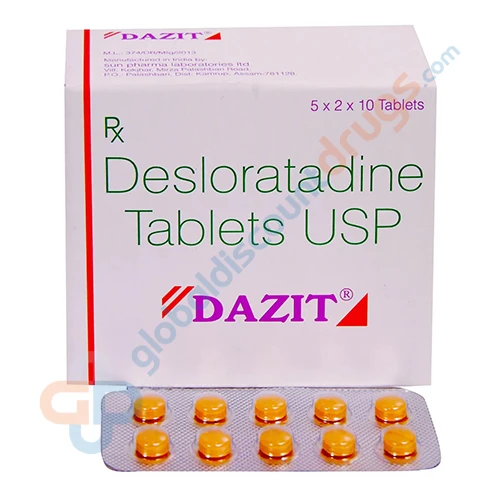
In StockDesloratadine is a non-sedating antihistamine medicine used to relieve symptoms of allergic rhinitis and chronic urticaria (hives). It works by blocking histamine, a chemical released during allergic reactions that causes sneezing, itching, runny nose, and watery eyes. This action helps reduce allergy symptoms and improve comfort. Use desloratadine only as directed on the product label or by a healthcare professional.

What is Desloratadine?
Desloratadine is an antihistamine medication used to relieve allergy symptoms. It belongs to the class of second generation H1 antihistamines, which are designed to reduce allergic reactions while causing less drowsiness compared with older antihistamines.
It is commonly prescribed for:
- Seasonal allergic rhinitis hay fever
- Year round perennial allergies
- Chronic idiopathic urticaria long lasting hives
- Symptoms such as sneezing, runny nose, itchy eyes, nasal congestion, and skin itching
Desloratadine is available in several formulations and strengths, including:
- Oral tablets
- Orally disintegrating tablets
- Syrup or oral solution often used in children
Individual strength pages provide more detailed information on specific dose forms.
What is the Recommended Dosage of Desloratadine?
The appropriate dosage of desloratadine varies based on:
- The condition being treated
- Patient age
- Body weight especially in children
- Liver or kidney function
Available dosage forms include standard tablets, dissolvable tablets, and liquid formulations.
Dosing must follow the instructions of a licensed medical specialist. Adjustments may be required for individuals with impaired liver or kidney function, older adults, or pediatric patients.
Patients should not change the dose or frequency without medical guidance.
How Desloratadine Works
Desloratadine works by blocking histamine, a chemical released by the immune system during allergic reactions.
When histamine binds to receptors, it causes symptoms such as swelling, itching, mucus production, and redness. Desloratadine prevents histamine from attaching to these receptors, helping reduce allergy symptoms.
The medication manages symptoms but does not cure the underlying allergy. Continued exposure to allergens may still trigger reactions, and long term management may be required.
Is a Prescription Required to Buy Desloratadine Online?
Prescription requirements vary by country and formulation. Some forms may be available without a prescription, while others require evaluation by a licensed medical specialist.
Patients are advised to consult:
- An allergist
- Primary care physician
- Dermatologist for chronic hives
Purchasing medications should be limited to licensed pharmacies to reduce the risk of counterfeit or improperly stored products. Veterinary or unverified online products should not be used for human treatment.
Side Effects of Desloratadine
Common Side Effects
These are usually mild and temporary:
- Headache
- Dry mouth
- Fatigue
- Sore throat
Mild stomach discomfort
Serious Side Effects
Rare but potentially serious effects include:
- Severe allergic reaction rash, swelling, breathing difficulty
- Rapid heartbeat
- Persistent dizziness
- Liver related symptoms such as yellowing of skin or eyes
- Immediate medical attention is required if severe reactions occur.
Drug Interactions
Desloratadine has relatively few interactions compared with older antihistamines, but interactions are still possible.
Key interaction categories include:
- Other antihistamines
- Sedatives or alcohol may increase drowsiness
- Certain antifungal or antibiotic medicines affecting liver metabolism
- Over the counter cold and allergy products
- Herbal supplements and vitamins
Patients should provide a complete medication and supplement list to their licensed medical specialist.
Safety and Important Considerations
Important precautions include:
- Liver or kidney disease dose adjustments may be necessary
- Pregnancy and breastfeeding use should be discussed with a specialist
- Children pediatric dosing must be age appropriate
- Older adults monitoring may be required due to metabolism changes
- Routine laboratory monitoring is not typically required, but symptom tracking may be recommended.
Patients should avoid combining multiple antihistamines unless advised by a specialist.
Who This Medication Is For
Desloratadine is typically used for:
- Individuals with seasonal or perennial allergies
- Patients with chronic hives requiring symptom control
- People who need non sedating allergy relief for daytime use
- Use is based on clinical evaluation of allergy history, symptom severity, and response to previous treatments.
Who Should Not Take Desloratadine
Desloratadine may not be appropriate for:
- Individuals with known hypersensitivity to desloratadine or related antihistamines
- Patients with severe liver impairment without specialist supervision
- People experiencing unexplained severe allergic reactions that require urgent evaluation
- Precautions should be discussed before starting treatment.
What to Do If You Miss a Dose
If a dose is missed:
- Take it when remembered if it is not close to the next scheduled dose
- Skip the missed dose if the next dose is near
- Do not take two doses at the same time
If missed doses occur frequently, patients should contact a licensed medical specialist for guidance.
Related medications to Desloratadine
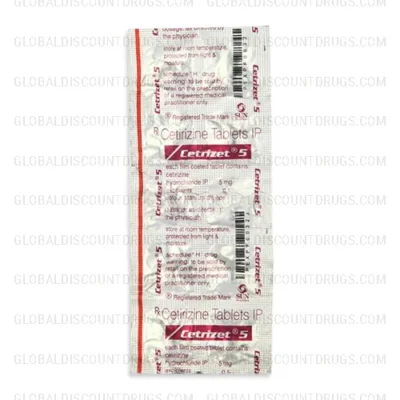
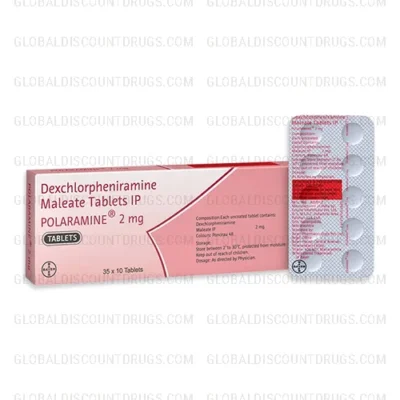
Other medications in the same therapeutic class include:
Selection depends on symptom profile, tolerance, and individual medical history. Switching treatments should be done under specialist supervision.
Storage Instructions
- Store at room temperature away from excessive heat and moisture
- Keep medication in its original packaging
- Protect from direct light
- Keep out of reach of children and pets
- Avoid storing in bathrooms where humidity is high
- Discard expired medication according to pharmacy guidance.
Disclaimer:
This page is for educational purposes only. It is not a substitute for professional medical advice, diagnosis, or treatment. Patients must consult a licensed allergist, primary care physician, or dermatologist before starting, changing, or stopping treatment. Treatment decisions must be based on a full clinical evaluation by a qualified specialist.
Prescription Required (Rx) to Buy?
This medication is not available over the counter. A valid prescription from a licensed healthcare
professional is required. Always consult your doctor before use.