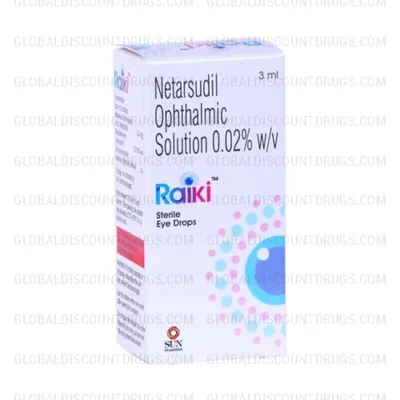

Netarsudil
In StockNetarsudil is a novel rho kinase inhibitor used as an ophthalmic solution to lower intraocular pressure (IOP) in patients with open-angle glaucoma or ocular hypertension. It works by increasing the outflow of aqueous humor through the trabecular meshwork, the eye’s conventional drainage pathway, and also by lowering episcleral venous pressure. This unique mechanism offers a significant new tool for IOP reduction. Netarsudil is essential for patients needing alternative or additive therapy.

What Is Netarsudil?
Netarsudil (netarsudil dimesylate) is a prescription medication in the Rho kinase (ROCK) inhibitor drug class. It is used in the eye to lower eye pressure. It is not taken by mouth.
Approved uses and common prescribed uses
- Lowering eye pressure (intraocular pressure) in adults with open-angle glaucoma or ocular hypertension.
- It may be used alone or added to other glaucoma eye drops, as decided by an eye specialist.
Available formulations and strengths
- Ophthalmic solution (eye drops): 0.02%
- Combination eye drops: netarsudil 0.02% with latanoprost 0.005%, available in some countries
Availability varies by country and brand. Each strength has its own detailed page.
What Is the Recommended Dosage of Netarsudil?
Dosing depends on several factors:
- Condition: The product is used for glaucoma or high eye pressure, as directed by an eye specialist.
- Age: Netarsudil is used in adults. Safety and effectiveness in children have not been established. Use in children should only be directed by a pediatric eye specialist.
- Body weight: Weight is generally not used to set the dose of eye drops.
- Organ function: Dose changes are not usually needed for kidney or liver problems, but tell your specialist about these conditions.
Dosage forms: eye drop solution (single-ingredient and combination).
The prescriber decides how many drops to use, in which eye or eyes, and when. Netarsudil is usually used once a day in the evening, but follow the exact directions on your prescription and label. Using more than directed does not improve results and may increase side effects. Do not change your schedule without speaking with your specialist.
How Netarsudil Works
Netarsudil works in two main ways:
- It helps fluid drain out of the eye through the main drainage pathway (the trabecular meshwork), by relaxing the tissue so fluid can flow out more easily.
- It may also reduce the pressure in the veins on the eye’s surface, which affects how fluid leaves the eye, and it may lower the amount of fluid the eye produces.
Lower eye pressure helps protect the optic nerve from damage.
Netarsudil manages glaucoma and ocular hypertension but does not cure them. These are long-term conditions. Eye pressure may rise again if treatment is stopped, and lost vision cannot be restored.
Is a Prescription Required to Buy Netarsudil Online?
Yes. Netarsudil is prescription-only. A licensed ophthalmologist (or another licensed eye care professional) must evaluate you and diagnose your condition first.
Safety when buying online
- Buy only from licensed, verified pharmacies that require a valid prescription.
- Avoid websites that sell prescription eye medicines without a prescription.
- Counterfeit, expired, or improperly stored eye drops can cause eye infection or vision harm. Do not use veterinary products.
- Check the packaging, label, and seal when it arrives. Ask a pharmacist if anything looks unusual.
Side Effects of Netarsudil
Common Side Effects
- Eye redness (very common, especially early in treatment)
- Small red spots on the white of the eye (conjunctival hemorrhage), which are usually harmless
- Eye pain, burning, or stinging when the drops are used
- Eye itching or watering
- Whorl-like deposits on the cornea (cornea verticillata), which usually do not affect vision and often go away after stopping
- Blurred vision
- Eyelid redness or swelling
- Headache
Serious Side Effects
These are uncommon but need prompt attention.
- Signs of a severe allergic reaction: swelling of the face, lips, tongue, or throat; hives; trouble breathing
- Severe or worsening eye pain, light sensitivity, or sudden vision changes
- Signs of eye infection: pus, increasing pain, or swelling of the eye or eyelid, especially if the bottle tip has become contaminated
- Signs of an allergic eye reaction that does not improve, such as persistent eyelid swelling or intense itching
- Sudden loss of vision
Seek emergency medical care for trouble breathing, swelling of the face or throat, or sudden loss of vision. Contact your specialist promptly if side effects are bothersome or do not go away.
Drug Interactions
Few drug interactions are known with netarsudil eye drops, but some are important:
- Other glaucoma eye drops, such as prostaglandin analogs, beta-blockers, alpha-2 agonists, and carbonic anhydrase inhibitors, are often used together with netarsudil, as directed by your specialist
- Other eye drops: wait at least 5 minutes between different eye medicines
- Medicines that may cause eye redness or irritation: these may add to the redness seen with netarsudil
OTC medicines, supplements, and herbal products do not commonly interact with netarsudil eye drops. Still, give your licensed specialist and pharmacist a full list of everything you take, including eye drops, creams, vitamins, and supplements.
Safety & Important Considerations
- Eye redness: Redness is common and may be bothersome, but it often lessens with continued use. Tell your specialist if it becomes severe or if you want to stop.
- Corneal changes: Cornea verticillata is a known effect. Your eye specialist may monitor your eyes during regular visits.
- Eye conditions: Tell your specialist if you have eye inflammation, corneal problems, or a history of eye surgery.
- Pregnancy and breastfeeding: Human data are limited. It is not known whether netarsudil passes into breast milk. Discuss risks and benefits with your specialist before use, especially if you are pregnant or planning pregnancy.
- Children: Not established for children. Use only under the direction of a pediatric eye specialist.
- Older adults: No special dose change is usually needed.
- Contact lenses: The preservative (benzalkonium chloride) in these eye drops can be absorbed by soft contact lenses. Remove lenses before use and wait at least 15 minutes before reinserting them, unless your label says otherwise.
- Driving and machinery: Eye drops may briefly blur your vision. Avoid these activities until your vision is clear.
- Monitoring: Glaucoma treatment requires regular eye pressure checks and eye exams.
- Hygiene: Do not touch the dropper tip to your eye or any surface. Contaminated eye drops can cause serious eye infections.
Who This Medication Is For
- Adults diagnosed with open-angle glaucoma or ocular hypertension by an eye specialist
- People who need additional eye pressure lowering beyond other glaucoma medicines, as determined by their specialist
Who Should Not Take Netarsudil
- Anyone allergic to netarsudil or any ingredient in the product
Use with caution, and only under specialist guidance, in people with active eye inflammation, corneal disease, or certain eye surgery histories. Tell your specialist about all medical conditions before starting treatment.
What to Do If You Miss a Dose
- Use the missed dose as soon as you remember.
- If it is almost time for the next dose, skip the missed one and return to your usual schedule.
- Do not double the dose to make up for a missed one.
- If you are unsure what to do, contact your licensed specialist or pharmacist.
Related medications to Netarsudil
Only a licensed specialist can decide whether a different treatment suits you.
- Prostaglandin analogs (for example, latanoprost, travoprost, bimatoprost)
- Beta-blockers (for example, timolol)
- Alpha-2 agonists (for example, brimonidine)
- Carbonic anhydrase inhibitors (for example, dorzolamide, brinzolamide)
- Other Rho kinase inhibitors, where available
- Combination eye drops, such as netarsudil-latanoprost or timolol combinations
- Laser therapy or surgery in some cases
Do not stop or switch treatments on your own. Changes should be made only after consultation with your specialist.
Storage Instructions
- Store unopened bottles in a refrigerator, typically 36°F to 46°F (2°C to 8°C), unless your label says otherwise.
- Once opened, the bottle may be kept at room temperature, typically up to 77°F (25°C), for a limited time. Follow your label for the exact period.
- Keep the bottle tightly closed and protect it from moisture, heat, and direct light.
- Do not freeze.
- Keep out of reach and sight of children. Accidental swallowing of eye drops can be dangerous for young children. Seek emergency help if this happens.
- Do not use past the expiration date. Eye drop bottles should be discarded within a set time after opening (often about 6 weeks). Follow your label and pharmacist’s guidance.
Disclaimer:
This page is for educational purposes only. It is not a substitute for professional medical advice, diagnosis, or treatment. Patients must consult a licensed ophthalmologist or another relevant medical specialist before starting, changing, or stopping treatment. Treatment decisions must be based on a full clinical evaluation by a qualified specialist.
Prescription Required (Rx) to Buy?
This medication is not available over the counter. A valid prescription from a licensed healthcare
professional is required. Always consult your doctor before use.