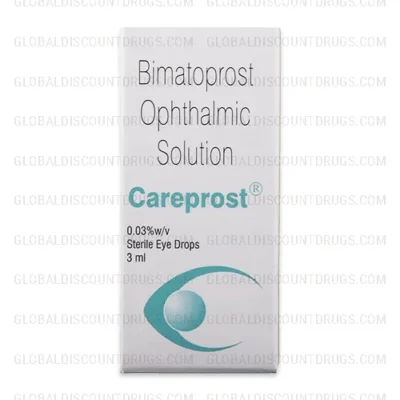
Bimatoprost
In StockBimatoprost is a prostaglandin analog recognized for its dual use in treating elevated intraocular pressure (glaucoma) and hypotrichosis (eyelash enhancement). For glaucoma, it effectively lowers eye pressure by increasing the outflow of aqueous humor. This API is essential for preventing optic nerve damage and subsequent vision loss in chronic open-angle glaucoma. Its reliable, once-daily action makes Bimatoprost a standard treatment in ophthalmic care.

What Is Bimatoprost?
Bimatoprost is a prescription medication in the prostaglandin analog (prostamide) drug class. It is used in the eye area. It is not taken by mouth.
Approved uses and common prescribed uses
- Eye drops: lower eye pressure (intraocular pressure) in adults with open-angle glaucoma or ocular hypertension.
- Eyelash solution (separate prescription product): treat hypotrichosis of the eyelashes, which means having short, sparse, or light lashes. This product is applied to the skin at the base of the upper eyelashes and is not used as an eye drop.
- Intracameral implant: a small, slow-release implant placed inside the front of the eye by an eye surgeon to lower eye pressure in some adults, in countries where it is approved.
Available formulations and strengths
- Ophthalmic solution (eye drops): commonly 0.01% and 0.03%
- Preservative-free ophthalmic solution: available in some countries
- Eyelash solution: 0.03%, applied with a sterile applicator
- Intracameral implant: available in a few strengths where approved
- Combination eye drops: bimatoprost with timolol, for glaucoma
Availability varies by country and brand. Each strength has its own detailed page.
What Is the Recommended Dosage of Bimatoprost?
Dosing depends on several factors:
- Condition and product: Glaucoma eye drops, eyelash solution, and the implant each use different methods and schedules.
- Age: Eye drops and eyelash solution are used in adults. Safety in children has not been fully established. Use in children should only be directed by a pediatric eye specialist.
- Body weight: Weight is generally not used to set the dose of these topical products.
- Organ function: Dose changes are not usually needed for kidney or liver problems, but tell your specialist about these conditions.
Dosage forms: eye drop solution, eyelash solution with applicator, and intracameral implant.
The prescriber decides how much to use, which area to treat, and when. Eye drops are usually used once a day in the evening, but follow the exact directions on your prescription and label. Using more than directed may lower the effect on eye pressure and increase side effects. Do not change your schedule without speaking with your specialist.
How Bimatoprost Works
Bimatoprost is a man-made substance that acts like natural prostaglandins.
- For glaucoma: It helps fluid drain out of the eye more easily, through both the main drainage pathway and a secondary pathway. This lowers eye pressure and helps protect the optic nerve.
- For eyelashes: It is thought to extend the growth phase of the eyelash hair cycle, which may result in longer, thicker, and darker lashes over time.
Bimatoprost manages these conditions but does not cure them. Glaucoma is a long-term condition, and eye pressure may rise again if treatment is stopped. Lost vision cannot be restored. Eyelash changes may fade after treatment stops.
Is a Prescription Required to Buy Bimatoprost Online?
Yes. Bimatoprost eye drops, the eyelash solution, and the implant are prescription-only. A licensed specialist must evaluate you first:
- an ophthalmologist (or another licensed eye care professional) for glaucoma or high eye pressure
- a dermatologist or eye care professional for eyelash hypotrichosis
The implant must be placed by an eye surgeon.
Safety when buying online
- Buy only from licensed, verified pharmacies that require a valid prescription.
- Avoid websites that sell prescription eye medicines or “lash serums” without a prescription.
- Counterfeit or unregulated products sold for lash growth may contain unlisted ingredients and can cause eye infection or vision harm.
- Do not use veterinary products.
- Check the packaging, label, and seal when it arrives. Ask a pharmacist if anything looks unusual.
Side Effects of Bimatoprost
Common Side Effects
- Eye redness
- Eye itching, burning, or stinging
- Dry eye or feeling that something is in the eye
- Eyelash changes: longer, thicker, or darker lashes
- Darkening of the eyelid skin around the eye
- Blurred vision
- Headache
Serious Side Effects
These are uncommon but need prompt attention.
- Permanent change in eye color: the colored part of the eye (iris) may become browner over time, especially in people with mixed-color eyes. This change is usually gradual and may be permanent.
- Swelling in the back of the eye (macular edema): blurry or distorted central vision
- Inflammation inside the eye: eye pain, worsening redness, light sensitivity, or reduced vision
- Eye infection: pus, increasing pain, or swelling of the eye or eyelid, especially if the bottle or applicator becomes contaminated
- Changes around the eye: deepening of the eyelid crease or a sunken look of the eye (loss of fat around the eye)
- Signs of a severe allergic reaction: swelling of the face, lips, tongue, or throat; hives; trouble breathing
- After the implant: corneal swelling, eye pain, or worsening vision
Seek emergency medical care for trouble breathing, swelling of the face or throat, or sudden loss of vision. Contact your specialist promptly if side effects are bothersome, vision changes, or eye pain develops.
Drug Interactions
Few drug interactions are known with topical bimatoprost, but some are important:
- Other prostaglandin products (such as latanoprost or travoprost eye drops): using two together may reduce the pressure-lowering effect or even raise eye pressure
- Eyelash solution with glaucoma medicines: the eyelash product may reduce the effect of eye drops used for glaucoma. Tell your specialist about all products you use
- Other eye drops: wait at least 5 minutes between different eye medicines
- Eye drops containing NSAIDs: combined use should be guided by your specialist because of the possible risk of macular swelling
- Medicines for glaucoma that work by different pathways, such as timolol, brimonidine, or dorzolamide, are often used together, as directed
OTC medicines, supplements, and herbal products do not commonly interact with topical bimatoprost. Still, give your licensed specialist and pharmacist a full list of everything you take, including eye drops, creams, vitamins, and supplements.
Safety & Important Considerations
- Eye color and eyelid changes: These can be permanent, even after you stop the medicine. Tell your specialist if you are concerned, especially if only one eye is being treated, as the eyes may look different from each other.
- Unwanted hair growth: Hair may grow where the solution touches the skin. Wipe away extra solution from the skin with a clean tissue.
- Eye conditions: Tell your specialist if you have eye inflammation, a history of macular swelling, have had cataract surgery, or have narrow-angle or angle-closure glaucoma. Bimatoprost may need extra caution or monitoring in these cases.
- Eyelash product use: Use a new sterile applicator each time. Do not reuse applicators. Apply only to the upper lash line as directed, and do not apply to the lower lash line.
- Pregnancy and breastfeeding: Human data are limited. It is not known whether bimatoprost passes into breast milk. Discuss risks and benefits with your specialist before use, especially if you are pregnant or planning pregnancy.
- Children: Use only under the direction of a pediatric eye specialist.
- Older adults: No special dose change is usually needed.
- Contact lenses: The preservative (benzalkonium chloride) in many eye drops can be absorbed by soft contact lenses. Remove lenses before use and wait at least 15 minutes before reinserting them, unless your label says otherwise.
- Driving and machinery: Eye products may briefly blur your vision. Avoid these activities until your vision is clear.
- Monitoring: Glaucoma treatment requires regular eye pressure checks and eye exams.
- Hygiene: Do not touch the dropper tip or applicator to your eye or any surface. Contaminated products can cause serious eye infections.
Who This Medication Is For
- Eye drops: Adults diagnosed with open-angle glaucoma or ocular hypertension by an eye specialist.
- Eyelash solution: Adults with hypotrichosis of the eyelashes, as diagnosed by a healthcare professional.
- Implant: Selected adults with open-angle glaucoma or ocular hypertension, as decided by an eye surgeon.
Who Should Not Take Bimatoprost
- Anyone allergic to bimatoprost, other prostaglandin analogs, or any ingredient in the product
- People with active or suspected eye infection (the implant)
- People with certain corneal conditions or certain eye surgery histories (the implant), as advised by an eye surgeon
Use with caution, and only under specialist guidance, in people with active eye inflammation or a history of macular swelling. Tell your specialist about all medical conditions before starting treatment.
What to Do If You Miss a Dose
- Use the missed dose as soon as you remember.
- If it is almost time for the next dose, skip the missed one and return to your usual schedule.
- Do not double the dose to make up for a missed one. Using more than once a day may reduce the effect on eye pressure.
- If you are unsure what to do, contact your licensed specialist or pharmacist.
Related medications to Bimatoprost
Only a licensed specialist can decide whether a different treatment suits you.
For glaucoma or high eye pressure
- Other prostaglandin analogs (for example, latanoprost, travoprost, tafluprost)
- Beta-blockers (for example, timolol)
- Alpha-2 agonists (for example, brimonidine)
- Carbonic anhydrase inhibitors (for example, dorzolamide, brinzolamide)
- Rho kinase inhibitors
- Combination eye drops, laser therapy, or surgery in some cases
For eyelash hypotrichosis
- Cosmetic options, such as lash enhancement products, which should be discussed with a specialist
- Observation, since hypotrichosis may have other underlying causes that a specialist can evaluate
Do not stop or switch treatments on your own. Changes should be made only after consultation with your specialist.
Storage Instructions
- Store at room temperature, typically 36°F to 77°F (2°C to 25°C), unless your label says otherwise. Some products, such as the implant, have different storage needs.
- Keep the container tightly closed and protect it from moisture, heat, and direct light.
- Do not freeze.
- Keep out of reach and sight of children. Accidental swallowing can be dangerous for young children. Seek emergency help if this happens.
- Do not use past the expiration date. Many eye drop bottles should be discarded within a set time after opening (often about 4 weeks). Preservative-free single-use containers should be discarded after use. Follow your label and pharmacist’s guidance.
Disclaimer:
This page is for educational purposes only. It is not a substitute for professional medical advice, diagnosis, or treatment. Patients must consult a licensed ophthalmologist (for eye conditions), dermatologist (for eyelash or skin-related concerns), or another relevant medical specialist before starting, changing, or stopping treatment. Treatment decisions must be based on a full clinical evaluation by a qualified specialist.
Prescription Required (Rx) to Buy?
This medication is not available over the counter. A valid prescription from a licensed healthcare
professional is required. Always consult your doctor before use.