Ivermectin
In StockIvermectin is a widely used antiparasitic medication that treats a variety of infections caused by parasites, including scabies, lice, and certain intestinal worms. It works by targeting the nervous system of parasites, effectively killing them and preventing further infestation. Available in tablets, creams, and lotions, Ivermectin offers flexible treatment options for different conditions. It is recommended by healthcare professionals for both adults and children depending on the condition and dosage. Ivermectin is most effective when used as prescribed, along with proper hygiene measures. You can safely buy Ivermectin online, compare prices, and find coupons or discounts.

What is Ivermectin?
Ivermectin is an anti-parasitic medication used to treat infections caused by certain parasitic worms and, in topical form, certain skin conditions related to mites and lice. It belongs to a drug class called anthelmintics (for internal parasites), and certain formulations are also used as antiparasitic agents for external conditions.
Ivermectin is commonly prescribed for conditions such as strongyloidiasis (a roundworm infection) and onchocerciasis (river blindness). Topical formulations are used for conditions such as head lice and for certain inflammatory skin conditions like rosacea, where the mechanism relates to mite involvement rather than classic parasitic infection. Oral and topical forms are approved for different, specific uses and are not interchangeable.
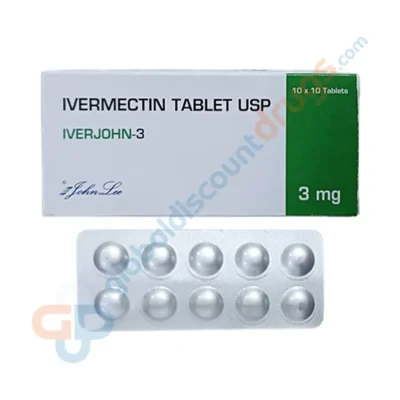
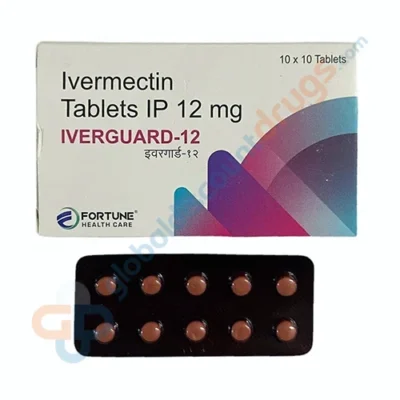
This medication is available in multiple formulations, including oral tablets, topical cream, and topical lotion, depending on the condition being treated. Available strengths and formulations can vary by region and manufacturer, so patients should confirm exact product details with their pharmacist or prescribing specialist.
What is the Recommended Dosage of Ivermectin?
Dosage of ivermectin depends on several factors, including:
- The specific condition being treated (internal parasitic infection versus skin condition)
- The formulation used (oral versus topical)
- The patient’s age
- The patient’s body weight, particularly for oral use
- Kidney and liver function, as impaired organ function may affect how the medication is processed
Because dosing varies significantly by condition, formulation, and patient population, this guide does not provide specific dosage amounts. Dosing must be determined and monitored by a licensed medical specialist familiar with the patient’s health history and the specific condition being treated.
Patients should never adjust their dose or switch between oral and topical forms without medical guidance, even if symptoms improve or worsen.
How Ivermectin Works
For parasitic infections, ivermectin works by affecting the nerve and muscle function of parasites, leading to their paralysis and eventual death, allowing the body to clear the infection. For topical use in skin conditions, ivermectin works by affecting mites on the skin or scalp, reducing their numbers and the inflammation associated with them.
This medication treats an active infection or condition; it does not necessarily prevent future infections or recurrence. For skin conditions like rosacea, ongoing management under specialist guidance may be needed, as it manages symptoms rather than curing the underlying condition.
Is a Prescription Required to Buy Ivermectin Online?
Yes, ivermectin is a prescription-only medication for approved human uses, both oral and topical. Patients should consult a licensed medical specialist, such as an infectious disease specialist, dermatologist, or primary care physician, depending on the condition being treated.
Patients should be especially cautious of:
- Websites offering ivermectin without a prescription
- Products marketed for veterinary or agricultural use being sold for human consumption — this is a significant safety concern, as veterinary formulations are not designed, dosed, or manufactured for human use
- Unverified or unlicensed online pharmacies
- Claims promoting ivermectin for uses not evaluated or approved by regulatory authorities
Medications should only be purchased from licensed, verified pharmacies to ensure product safety, correct dosing, and appropriate quality control.
Side Effects of Ivermectin
Common Side Effects
Oral use:
- Dizziness
- Nausea
- Diarrhea
- Fatigue
Topical use:
- Mild skin irritation at the application site
- Dryness
- Burning sensation
These effects are often mild and temporary.
Serious Side Effects
Although uncommon, patients should seek immediate medical attention if they experience:
- Signs of an allergic reaction, such as rash, swelling, or difficulty breathing
- Severe dizziness, confusion, or difficulty walking
- Vision changes
- Low blood pressure or fainting
- Severe skin reactions, such as widespread rash or blistering (particularly with topical use)
Patients being treated for onchocerciasis or other infections with a high parasite burden may experience more pronounced reactions related to the body’s response to dying parasites; this should be discussed with the prescribing specialist beforehand. Any concerning or unexpected symptoms should be reported to a healthcare provider promptly.
Drug Interactions
Ivermectin may interact with certain other substances, including:
- Medications that affect liver enzyme activity, which can alter ivermectin levels in the body
- Certain medications that affect the central nervous system
- Blood-thinning medications, in some cases
- Other topical products, when using ivermectin cream or lotion on the skin
Patients should also inform their specialist about:
- Over-the-counter medications they are taking
- Vitamins, supplements, and herbal products
Providing a complete and accurate medication list helps the prescribing specialist assess potential interactions and adjust treatment as needed.
Safety & Important Considerations
- Liver disease: Patients with liver impairment may require closer monitoring, as ivermectin is processed by the liver.
- Kidney disease: Kidney function may also be relevant to overall treatment planning.
- Pregnancy and breastfeeding: Patients who are pregnant, planning to become pregnant, or breastfeeding should discuss the risks and benefits with their specialist before use, particularly for oral formulations.
- Children: Use in young children should be guided by a specialist, as safety and dosing depend on age and body weight, and certain formulations may not be approved for very young children.
- Co-infections: Patients with certain other parasitic infections, particularly high loiasis burden, require careful specialist evaluation before starting oral treatment due to the risk of serious reactions.
- Topical use precautions: Topical formulations are intended for the skin or scalp only and should not be used near the eyes or on broken skin unless directed by a specialist.
Patients should follow all instructions provided by their specialist and attend recommended follow-up appointments.
Who This Medication Is For
Ivermectin is generally prescribed for individuals diagnosed with confirmed parasitic infections such as strongyloidiasis or onchocerciasis, or for individuals with specific skin conditions such as head lice or rosacea where topical treatment has been deemed appropriate by a healthcare provider. It is intended for patients who have been evaluated and diagnosed by a licensed specialist.
Who Should Not Take Ivermectin
Ivermectin may not be appropriate for everyone. It should generally be avoided or used with caution in patients who:
- Have a known hypersensitivity or allergy to ivermectin or related medications
- Have significant liver impairment, without specialist supervision
- Have a high burden of certain co-existing filarial infections, particularly loiasis, without specialist oversight
- Are pregnant, without specialist evaluation of risks and benefits, particularly for oral use
A full medical history review by a licensed specialist is essential before starting treatment to identify any individual contraindications.
What to Do If You Miss a Dose
If a dose is missed, patients should:
- Take the missed dose as soon as they remember, if it is not close to the time of the next scheduled dose
- Never take a double dose to make up for a missed one
- Contact their prescribing specialist if they are unsure how to proceed, particularly for treatment regimens involving multiple doses over time
Since treatment courses vary by condition, missing a dose should be addressed promptly with medical guidance.
Related medications to Ivermectin
Ivermectin is used for specific parasitic infections. Related ingredient-combination pages include Ivermectin-Mebendazole and Ivermectin-Albendazole. Where scabies is the relevant condition, Permethrin may also be contextually related, although route, indications, and prescribing considerations differ.
Storage Instructions
- Store at room temperature, away from excessive heat or cold, unless otherwise directed on the product label
- Keep away from moisture and direct light
- Store in the original container when possible; do not transfer topical products to unlabeled containers
- Keep out of reach of children and pets at all times
Always check the specific storage instructions provided with the product, as guidance may vary slightly by manufacturer and formulation.
Disclaimer
This page is for educational purposes only. It is not a substitute for professional medical advice, diagnosis, or treatment. Patients must consult a licensed infectious disease specialist, dermatologist, or other relevant medical specialist before starting, changing, or stopping treatment with ivermectin. Treatment decisions must be based on a full clinical evaluation by a qualified specialist.
Prescription Required (Rx) to Buy?
This medication is not available over the counter. A valid prescription from a licensed healthcare
professional is required. Always consult your doctor before use.