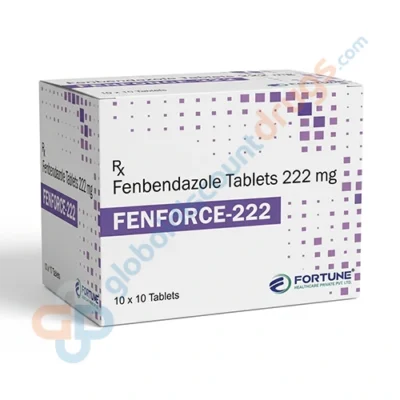
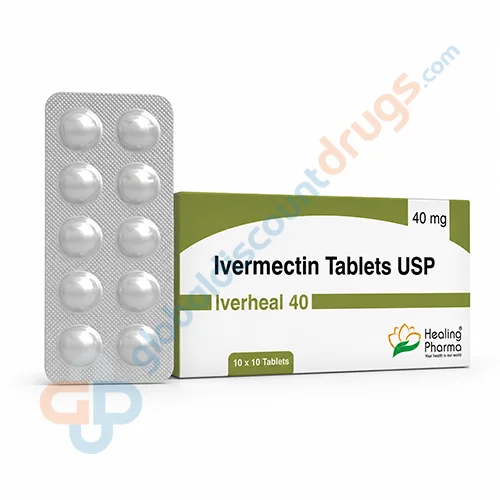
Ivermectin 40mg
In Stock| Active Ingredient: | Ivermectin |
|---|---|
| Indication: | Parasitic Infections |
| Strength: | 40mg |
| Dosage Form: | Tablets |
| Manufacturer: | Healing Pharma |

Quick Overview
Ivermectin 40mg refers to a weight-based oral dose of ivermectin, an FDA-approved antiparasitic medication used to treat infections such as strongyloidiasis and onchocerciasis. It works by paralyzing and eliminating parasites in the body. Available as 3mg tablets, this dose is prescription-only and must be taken under licensed medical supervision.
Medical Supervision & Regulatory Status
Ivermectin is a Schedule H / prescription-only medication in most countries, including the United States, and across the European Union. It is regulated by the FDA (USA), and EMA (Europe). Because antiparasitic therapy requires accurate diagnosis, weight-based dosing, and follow-up, medical supervision is mandatory before, during, and after treatment. Self-medicating with ivermectin outside of a confirmed diagnosis carries serious health risks.
Clinical Context
Parasitic infections such as strongyloidiasis and onchocerciasis affect millions of people globally, particularly in tropical and subtropical regions. These infections can persist for years without symptoms while causing progressive organ damage, making accurate diagnosis and timely treatment essential.
Ivermectin has been a cornerstone of antiparasitic therapy since its introduction in human medicine in 1987. It is particularly valued for its single-dose effectiveness against several parasitic species and its established safety profile when used as prescribed.
A dose of approximately 40 mg — achieved using multiple 3 mg tablets — is typically appropriate for adult patients in a higher weight range, as dosing is calculated based on body weight (micrograms per kilogram). Your specialist will confirm the exact tablet count based on your weight, infection type, and overall health status.
How Ivermectin Works
Ivermectin belongs to the avermectin class of antiparasitic drugs. It acts by selectively binding to glutamate-gated chloride ion channels found specifically in invertebrate nerve and muscle cells. This binding increases the permeability of the cell membrane to chloride ions, leading to hyperpolarization of the nerve or muscle cell — effectively causing paralysis and death of the parasite.
Importantly, these specific chloride channels are not present in mammalian central nervous system cells in the same way, meaning that at therapeutic doses, ivermectin targets parasites without significantly harming human tissues. This selectivity is the basis for its wide therapeutic use in humans.
For patients, this mechanism translates into a single dose that can rapidly reduce the parasite burden in the body. Depending on the condition, one dose may be sufficient, while other infections such as onchocerciasis require periodic retreatment to manage larvae released over the adult worm’s lifespan.
What Is Ivermectin 40mg?
| Feature | Details |
|---|---|
| Drug Class | Avermectin / Antiparasitic |
| Active Ingredient | Ivermectin |
| Mechanism | Binds to invertebrate chloride channels; paralyzes and kills parasites |
| Form | Oral tablet (3 mg per tablet; 40 mg dose = ~13–14 tablets based on weight) |
| Dosing Frequency | Usually a single dose; may be repeated per specialist instruction |
| Regulatory Status | Prescription-only (FDA, EMA, CDSCO) |
Uses / Indications
Strongyloidiasis (Intestinal Roundworm Infection) Ivermectin is a first-line treatment for intestinal infection caused by Strongyloides stercoralis. It is used to eliminate larvae from the gut and skin and reduce the risk of life-threatening hyperinfection in immunocompromised patients.
Onchocerciasis (River Blindness) Ivermectin is the primary drug used to treat onchocerciasis, a parasitic disease caused by Onchocerca volvulus. It kills the microfilariae (immature larvae) that cause inflammation and tissue damage, including damage to the eyes.
Scabies (Specialist-Prescribed Use) Oral ivermectin may be prescribed by a dermatologist or infectious disease specialist for crusted (Norwegian) scabies or in cases where topical treatments have not been effective.
Lymphatic Filariasis (Mass Drug Administration Programs) Ivermectin is used in combination with other antiparasitic agents in global public health programs targeting lymphatic filariasis.
Head Lice (Topical Lotion — Separate Formulation) A 0.5% topical lotion formulation of ivermectin is approved for the treatment of head lice in patients 6 months of age and older. This is a separate product and is not the same as the oral tablet.
Ivermectin is not approved by the FDA for the prevention or treatment of COVID-19. Using it for unapproved indications without medical supervision is unsafe.
How to Use / Dosage
Ivermectin 40mg (oral) is taken as a single dose on an empty stomach, washed down with a full glass of water, unless your doctor instructs otherwise. Your specialist will calculate the precise dose based on your body weight and the infection being treated.
General Dosage Guidance:
- Dose is typically calculated at 150–200 mcg per kg of body weight for most indications
- A 40 mg dose is generally appropriate for adults weighing approximately 200–265 lbs (90–120 kg), though your doctor will confirm this
- Do not self-calculate or adjust the number of tablets without specialist guidance
Missed Dose: If you miss a scheduled dose on the same day, take it as soon as you remember. If the day has passed, contact your specialist rather than doubling the dose on the next day. Do not take two doses to compensate.
Do Not Stop Suddenly Without Guidance: For conditions requiring repeated dosing (such as onchocerciasis), do not skip or discontinue scheduled follow-up doses without consulting your doctor, as incomplete treatment may allow the infection to persist or recur.
Side Effects
Most patients tolerate ivermectin well when taken at prescribed doses. Side effects, when they do occur, are often mild and temporary — many are related to the body’s immune response to dying parasites rather than a direct reaction to the medication itself.
Common Side Effects: Patients being treated for parasitic infections may experience nausea, mild abdominal discomfort, diarrhea, dizziness, headache, fatigue, or itching. Temporary swelling of the skin or lymph nodes may also occur as part of the body’s reaction to the treatment. These effects typically resolve within a few days and do not require stopping the medication.
Serious Side Effects: In rare cases, more significant reactions can occur. These include severe skin reactions such as blistering or widespread rash, liver enzyme abnormalities, low blood pressure, and neurological symptoms such as confusion or difficulty walking. Patients with a heavy Loa loa (eye worm) infection are at particular risk of severe neurological reactions following ivermectin use and must be screened before treatment.
Emergency Warning Signs — Seek Immediate Medical Attention If You Experience:
- Sudden confusion, difficulty speaking, or loss of coordination
- Seizures or unconsciousness
- Severe skin blistering, peeling, or mucous membrane involvement
- Difficulty breathing or swallowing
- Significant swelling of the face, lips, or throat
- Yellowing of the skin or eyes (jaundice)
- Extreme drop in blood pressure or fainting
Warnings & Precautions
Contraindications: Ivermectin should not be used in patients with a known hypersensitivity to the drug or any component of the formulation. It is also contraindicated as a standalone treatment in patients with confirmed or suspected heavy Loa loa infection, due to the risk of encephalopathy.
Drug Interactions: Ivermectin interacts with warfarin — patients on anticoagulation therapy must have their INR (blood clotting level) monitored closely during and after treatment. Co-administration with benzodiazepines, barbiturates, or valproic acid may enhance central nervous system depression due to additive neurological effects. St. John’s Wort and other CYP3A4-inducing supplements may reduce ivermectin’s effectiveness by accelerating its metabolism in the liver.
Pregnancy and Breastfeeding: Ivermectin is generally not recommended during pregnancy, particularly during the first trimester, due to potential fetal risk observed in animal studies. Women who are pregnant or planning pregnancy should discuss the risk-benefit profile with their specialist. The drug is excreted in breast milk in low concentrations; breastfeeding women should consult their doctor before use.
Special Populations: Children weighing less than 15 kg (approximately 33 lbs) should not receive oral ivermectin tablets unless specifically directed by a specialist. Elderly patients may have altered drug metabolism and should undergo a thorough medical review before starting therapy. Patients with significant liver disease require careful evaluation, as ivermectin is hepatically metabolized and may accumulate with impaired liver function.
Monitoring: For strongyloidiasis, follow-up stool examination is typically recommended 2–4 weeks after treatment to confirm clearance. Patients on repeated dosing for onchocerciasis should undergo periodic clinical review. Any patient on warfarin will require INR monitoring following ivermectin administration.
Who Should Not Use This Medication
- Patients with a known allergy to ivermectin or any excipient in the tablet
- Pregnant women, especially during the first trimester
- Children weighing less than 15 kg (for oral tablet formulation)
- Patients with confirmed high-density Loa loa infection (without specialist assessment and pre-screening)
- Patients with severe, uncontrolled liver disease without medical supervision
- Individuals combining ivermectin with CNS-depressant medications without physician oversight
Storage Instructions
- Store oral ivermectin tablets at room temperature between 20°C and 25°C (68°F to 77°F)
- Keep the medication away from direct sunlight, heat sources, and high humidity
- Do not store tablets in a bathroom cabinet or near a kitchen sink where moisture levels fluctuate
- Keep all formulations in their original packaging until use
- Store out of reach of children and pets at all times
- Do not use ivermectin after the printed expiration date on the packaging
- Dispose of unused medication through a licensed pharmaceutical take-back program — do not flush down the drain or discard in household waste
Frequently Asked Questions (FAQs)
Does Ivermectin 40mg require a prescription?
Yes, ivermectin requires a valid prescription from a licensed physician. Medical evaluation is necessary to confirm the diagnosis, determine the correct weight-based dose, identify contraindications, and monitor for adverse reactions. Self-medicating without a prescription is unsafe and, in most countries, illegal.
How long does Ivermectin take to work?
Ivermectin typically begins killing parasites within hours of a single dose. For strongyloidiasis, symptom improvement may be noticeable within a few days. For onchocerciasis, microfilarial levels in the skin begin to drop within a week, though full disease management requires periodic retreatment over time.
Is it safe to stop taking Ivermectin suddenly?
For single-dose treatment, this is not a concern. For conditions requiring scheduled repeat dosing, skipping or stopping treatment without medical guidance may allow parasites to rebound. Always consult your specialist before altering your prescribed treatment schedule.
Can Ivermectin interact with other medications I am taking?
Yes. Ivermectin can interact with warfarin (raising bleeding risk), CNS depressants like benzodiazepines and barbiturates, valproic acid, and herbal products such as St. John’s Wort. Always provide your prescribing doctor and pharmacist with a complete list of all medications and supplements you currently take.
What is the cost of Ivermectin without insurance?
The cost of ivermectin without insurance depends on the seller, brand availability, and pack size, and may also vary by location and applicable discounts. Generic ivermectin is generally considered affordable compared to many prescription medications. Contact a licensed pharmacy directly for current pricing information.
How can I order Ivermectin online?
A valid prescription is required to order ivermectin online. The process typically involves uploading your prescription to a licensed online pharmacy or having your doctor send it electronically, followed by a verified dispensing and home delivery process. Only use verified, licensed pharmacies with a registered pharmacist on staff to ensure product safety and authenticity.
Is Ivermectin available over the counter?
No. Ivermectin oral tablets are not available over the counter in most countries, including the United States, United Kingdom. A prescription from a licensed medical professional is required. Regulations may vary slightly by region, but medical supervision is consistently required for safe and appropriate use.
Disclaimer:
This content is for informational purposes only and does not constitute medical advice, diagnosis, or treatment. Consult a qualified specialist or physician before using Ivermectin 40mg. Individual dosing, safety, and suitability must be determined by a licensed medical professional based on a complete clinical evaluation. Read our full medical desclaimer for more details.
Resources:
- FDA – Ivermectin: What You Need to Know
- DailyMed – Ivermectin (NIH Official Label)
- MedlinePlus – Ivermectin
- WHO – Ivermectin Essential Medicine Fact Sheet
- CDC – Parasitic Diseases Treatment Resources
- NIH – Strongyloidiasis Clinical Information
- Drugs.com – Ivermectin Drug Information
- The Merck Manual – Onchocerciasis Overview
Prescription Required (Rx) to Buy?
This medication is not available over the counter. A valid prescription from a licensed healthcare
professional is required. Always consult your doctor before use.
| Quantity | 30, 60, 90 |
|---|---|
| Indication | Parasitic Infections |
| Active Ingredient | Ivermectin |
| Pharmaceutical Form | Tablets |
| Manufacturer | Healing Pharma |
| Indian Brand | IVERHEAL 40MG |
| US Brand Name | Ivermectin, Stromectol |
| Generic Name | Ivermectin |
| Dosage | 40mg |
| Drug Type | Tablets |