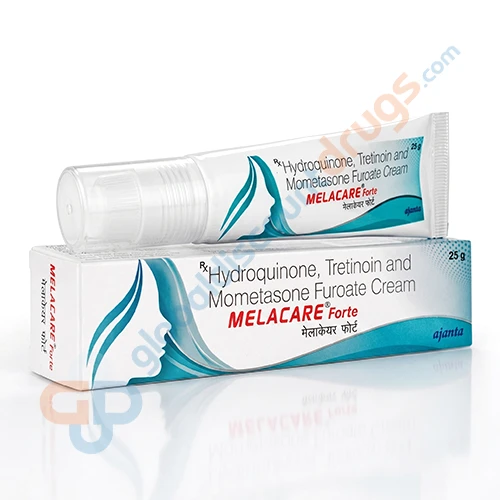
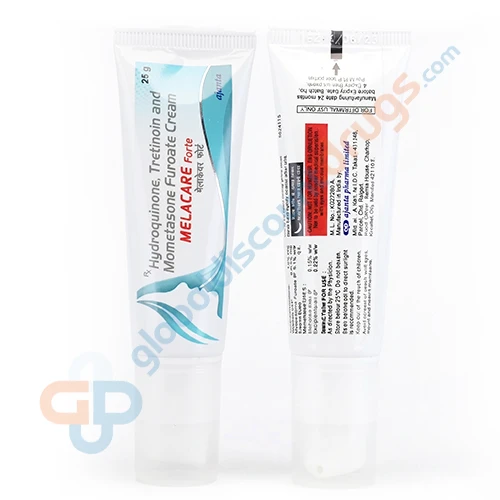
Hydroquinone-Tretinoin-Mometasone Cream 4-0.025-0.1%-25gm
In StockHydroquinone–Tretinoin–Mometasone Cream combines a depigmenting agent, retinoid, and corticosteroid to treat selected pigmentation disorders under medical supervision. Treatment duration should be limited to the prescribed period.
| Active Ingredient: | Hydroquinone-Tretinoin-Mometasone |
|---|---|
| Indication: | Melasma |
| Strength: | 4-0.025-0.1% 25g |
| Dosage Form: | Cream |
| Manufacturer: | Ajanta Pharma Ltd |

Quick Overview
Hydroquinone-Tretinoin-Mometasone Cream is a triple-combination prescription topical medication used to treat melasma and stubborn facial hyperpigmentation. It works by inhibiting melanin production, accelerating skin cell turnover, and reducing inflammation simultaneously. Each 25g tube contains hydroquinone 4%, tretinoin 0.025%, and mometasone furoate 0.1%. Use only under medical supervision, as prolonged use carries specific risks.
Medical Supervision & Regulatory Status
This cream is a Schedule H prescription-only medicine in India and requires a valid doctor’s prescription in most countries where it is available. In the United States, hydroquinone-containing formulations at prescription strength are regulated by the FDA and dispensed only with a licensed prescriber’s order. Mometasone furoate, a corticosteroid, and tretinoin, a retinoid, each carry their own regulatory requirements that make unsupervised use unsafe. Medical supervision is required because this combination can cause irreversible skin changes if misused, overused, or applied without proper diagnosis.
Clinical Context
Melasma is a chronic skin condition characterized by brown or grey-brown patches appearing primarily on the face — most commonly on the cheeks, forehead, upper lip, and chin. It is significantly more prevalent in women, particularly those with darker skin tones, and is strongly associated with hormonal changes, sun exposure, and genetic predisposition. Without treatment, melasma can persist for years and cause meaningful distress.
Effective treatment of melasma requires addressing three underlying processes simultaneously: excess melanin production, slowed epidermal turnover, and local skin inflammation. No single active ingredient addresses all three mechanisms adequately on its own, which is why combination formulations are considered standard of care in dermatology for moderate-to-severe melasma.
Hydroquinone-Tretinoin-Mometasone Cream, often referred to by the trade name Tri-Luma or its generic equivalents, occupies an established position in first-line and second-line therapy for facial melasma. It is typically prescribed when topical monotherapy has been insufficient or when rapid, controlled improvement is clinically appropriate under physician direction.
How Hydroquinone-Tretinoin-Mometasone Cream Works
This cream belongs to a pharmacological class known as combination depigmenting agents. It combines three distinct drug categories — a melanin synthesis inhibitor, a topical retinoid, and a mid-potency corticosteroid — into a single formulation designed for synergistic activity on hyperpigmented skin.
Hydroquinone (4%) inhibits tyrosinase, the key enzyme responsible for converting tyrosine into melanin in pigment-producing cells (melanocytes). By blocking this enzyme, it slows down the overproduction of pigment that causes dark patches. Tretinoin (0.025%), a vitamin A derivative, accelerates the natural shedding of pigmented skin cells and promotes the growth of new, evenly pigmented cells — effectively “turning over” the discolored surface faster than it would naturally. Mometasone furoate (0.1%) is a corticosteroid that reduces the skin inflammation that both drives pigment production and results from the mild irritation caused by the other two active ingredients.
Together, these three components produce a therapeutic effect that is clinically more effective than any single ingredient used alone. The benefit to the patient is a more rapid and more even reduction in hyperpigmentation, with the corticosteroid helping to minimize the redness and peeling that tretinoin and hydroquinone can sometimes cause.
What is Hydroquinone-Tretinoin-Mometasone Cream?
Drug Class: Triple-combination depigmenting agent (melanin inhibitor + topical retinoid + topical corticosteroid)
Active Ingredients:
- Hydroquinone 4% — depigmenting agent
- Tretinoin 0.025% — topical retinoid
- Mometasone Furoate 0.1% — mid-potency corticosteroid
Mechanism: Inhibits melanin synthesis, accelerates epidermal cell turnover, and suppresses cutaneous inflammation to collectively reduce hyperpigmentation.
Dosage Form: Topical cream
Quantity: 25 grams per tube
Dosing Frequency: Typically applied once daily at night, as directed by a dermatologist or physician
Regulatory Status: Prescription-only medicine (Schedule H in India; prescription-only in most regulated markets); not approved for OTC sale
Uses / Indications
Melasma (Primary Approved Indication) This cream is primarily indicated for the short-term treatment of moderate-to-severe melasma on the face. It is used when simpler topical treatments have not produced adequate results and is applied under close dermatologist supervision.
Post-Inflammatory Hyperpigmentation (PIH) — Off-Label / Physician Discretion Some dermatologists prescribe this combination for post-inflammatory hyperpigmentation resulting from acne, eczema, or injury. This use is at physician discretion and is not universally approved across all regulatory regions.
Facial Hyperpigmentation Associated with Hormonal Changes Hyperpigmentation triggered by oral contraceptive use, pregnancy (chloasma), or hormonal therapy may be considered for treatment with this formulation, though use during pregnancy is strictly contraindicated (see Warnings section).
Note: This cream is not indicated for general skin lightening, body use, or cosmetic depigmentation without a confirmed dermatological diagnosis.
How to Use / Dosage
General Guidance Only — Your Doctor Determines Your Dose
Hydroquinone-Tretinoin-Mometasone Cream is typically applied as a thin layer to the affected areas of the face once daily, approximately 30 minutes before bedtime. The skin should be gently cleansed and dried before application. Avoid applying to the eyes, nostrils, mouth, and mucous membranes. Your dermatologist will determine the exact amount to apply, the frequency, and the treatment duration appropriate for your condition.
Timing: Evening or nighttime application is strongly preferred. Tretinoin increases photosensitivity, so daytime application significantly raises the risk of sun-induced skin damage. A broad-spectrum sunscreen (SPF 30 or higher) must be used every morning during treatment, regardless of weather or indoor activity.
Missed Dose: If you miss an application, apply it as soon as you remember — unless it is almost time for the next scheduled application. Do not apply a double amount to make up for a missed dose. Consistency matters, but doubling up does not speed results and may increase irritation.
Do Not Stop Suddenly Without Consulting Your Doctor: If you have been using this cream for several weeks, your dermatologist may recommend a tapering schedule rather than abrupt discontinuation, particularly because of the corticosteroid component. Stopping abruptly after prolonged use may occasionally trigger a rebound effect. Follow your doctor’s instructions for discontinuation.
Duration of Use: Treatment is generally intended for short-term use (typically up to 8 weeks). Prolonged use beyond the prescribed period is associated with serious adverse effects and must not be undertaken without specific medical instruction.
Side Effects
Most patients tolerate Hydroquinone-Tretinoin-Mometasone Cream reasonably well when used as directed by their dermatologist. Mild skin reactions are common at the start of treatment and often resolve with continued use as the skin adjusts. Serious adverse effects are possible, particularly with prolonged or improper use, which is why medical monitoring is essential.
Common Side Effects: Mild burning, stinging, or tingling at the application site is frequently reported, especially during the first two to four weeks. Skin redness (erythema), peeling, dryness, and a sensation of skin tightness are also common early reactions largely driven by the tretinoin component. Mild itching or scaling may occur. These effects are generally manageable and tend to decrease as the skin acclimates to treatment.
Serious or Concerning Side Effects: Prolonged use of this cream can lead to skin atrophy (thinning of the skin), stretch marks (striae), and telangiectasia (visible small blood vessels) due to the corticosteroid component. Ochronosis — a paradoxical darkening of the skin — is a rare but serious risk associated with long-term hydroquinone use, particularly in patients with darker skin phototypes. Systemic absorption of mometasone, while uncommon with appropriate topical use, can lead to adrenal suppression with extended use over large areas. Contact sensitization to hydroquinone, though uncommon, has been reported.
Emergency Warning Signs — Seek Immediate Medical Attention If You Experience:
- Sudden, significant skin darkening or bluish-grey discoloration of the treated area
- Severe allergic reaction including facial swelling, difficulty breathing, or widespread hives
- Unusual hair growth on treated skin (sign of steroid-related hypertrichosis)
- Signs of skin infection: increasing redness, warmth, swelling, or pus at the application site
- Significant weight gain, fatigue, or mood changes (potential signs of systemic corticosteroid absorption)
- Eye irritation or vision changes if cream accidentally contacted the eye area
Warnings & Precautions
Contraindications: This cream must not be used by individuals with a known hypersensitivity or allergy to hydroquinone, tretinoin (or any other retinoid), mometasone furoate, or any excipient in the formulation. It is absolutely contraindicated during pregnancy — tretinoin is a known teratogen (Category X), meaning it can cause serious birth defects, and this risk alone is sufficient to prohibit use in pregnant women or those who may become pregnant. Use is also contraindicated in patients with active rosacea, perioral dermatitis, acne vulgaris in the treatment area, or active viral, bacterial, or fungal skin infections at the application site.
Drug Interactions: Avoid concurrent use of other topical retinoids or retinol-containing products on the same skin area, as this significantly increases the risk of severe irritation and peeling. Products containing benzoyl peroxide, salicylic acid, or alpha-hydroxy acids should not be applied to the same area without explicit physician guidance. Medications or supplements that increase photosensitivity — including certain antibiotics (tetracyclines, fluoroquinolones), thiazide diuretics, and St. John’s Wort — may potentiate sun sensitivity when used alongside tretinoin in this formulation.
Pregnancy and Breastfeeding: This medication is strictly contraindicated in pregnancy. Tretinoin has well-documented teratogenic risk, and both hydroquinone and mometasone carry risks that make the combination unsafe during gestation. Women of childbearing potential should use reliable contraception during treatment. Breastfeeding is also not recommended during use, as topical corticosteroids and hydroquinone may be absorbed systemically and could potentially reach breast milk.
Special Populations: Elderly patients may have thinner, more fragile skin and are at elevated risk for corticosteroid-related skin atrophy with this combination. Pediatric use (under 12 years) is generally not recommended and has not been established as safe. Patients with darker skin phototypes (Fitzpatrick IV–VI) must be counseled specifically about the risk of paradoxical hyperpigmentation and ochronosis with hydroquinone use and should be monitored closely.
Monitoring: Dermatologist follow-up is recommended at regular intervals during treatment (typically every 4 weeks). Patients should be assessed for signs of skin atrophy, ochronosis, treatment response, and adverse reactions. The need for continued treatment must be evaluated at each visit, and therapy should not be extended beyond 8 weeks without explicit, documented medical justification.
Who Should Not Use This Medication
The following individuals should not use Hydroquinone-Tretinoin-Mometasone Cream without specific guidance from a qualified dermatologist or physician:
- Pregnant women or those planning to become pregnant
- Breastfeeding mothers
- Individuals with known allergy to hydroquinone, tretinoin, mometasone, or any component of the formulation
- Patients with active skin infections (bacterial, viral, or fungal) in the treatment area
- Those with rosacea, perioral dermatitis, or acne at the application site
- Children under 12 years of age
- Patients currently using other topical retinoids on the same area
- Individuals with a history of ochronosis related to prior hydroquinone use
Storage Instructions
Store Hydroquinone-Tretinoin-Mometasone Cream at controlled room temperature, between 15°C and 25°C (59°F and 77°F). Do not freeze. Keep the tube tightly closed when not in use and store away from direct sunlight, excess heat, and sources of moisture such as bathrooms. Both tretinoin and hydroquinone can degrade when exposed to light, heat, or air, reducing the product’s effectiveness. Keep all medications, including this cream, out of the reach and sight of children. Do not use the product after the expiration date printed on the tube or carton. Dispose of unused or expired medication responsibly in accordance with local pharmaceutical disposal guidelines — do not flush down the drain or discard in household waste where possible.
Frequently Asked Questions
Is a prescription required to buy Hydroquinone-Tretinoin-Mometasone Cream?
Yes, a valid prescription from a licensed dermatologist or physician is required to purchase this cream. It is classified as a prescription-only medicine because its active ingredients — particularly tretinoin and mometasone carry significant risks if used without proper diagnosis, dosing guidance, and medical monitoring. Self-medication is not appropriate or safe with this formulation.
How long does it take for Hydroquinone-Tretinoin-Mometasone Cream to show results?
Most patients begin to notice visible improvement in hyperpigmentation within 4 to 8 weeks of consistent nightly use. However, optimal results typically require the full prescribed course of treatment. Skin response varies based on the severity of melasma, skin phototype, sun exposure habits, and adherence to the complete treatment regimen including daily sunscreen use.
Can I stop using this cream suddenly if I see improvement?
Do not stop treatment abruptly without consulting your dermatologist. Because the cream contains a corticosteroid (mometasone), your doctor may recommend a gradual reduction in use rather than immediate discontinuation. Stopping suddenly after extended use can occasionally trigger rebound inflammation or pigmentation. Always follow your prescribing doctor’s instructions for ending treatment safely.
What medications or products interact with this cream?
Avoid combining this cream with other topical retinoids, benzoyl peroxide, alpha-hydroxy acids, or salicylic acid on the same treatment area without medical guidance. Certain oral medications that increase sun sensitivity — such as tetracycline antibiotics or thiazide diuretics — can amplify the photosensitivity caused by tretinoin. Always inform your dermatologist of all medications and skincare products you are currently using.
What should I do if I miss a dose?
If you miss a nightly application, apply the cream as soon as you remember — unless it is nearly time for the next application. In that case, skip the missed dose and continue with your normal schedule. Do not apply extra cream to compensate for a missed dose, as this increases the risk of skin irritation and does not improve treatment outcomes.
What is the cost of Hydroquinone-Tretinoin-Mometasone Cream without insurance?
The cost without insurance depends on the seller, brand availability, and pack size, and may vary by location and applicable discounts. Generic versions of this combination cream are generally more affordable than branded formulations such as Tri-Luma. Patients are encouraged to compare prices at licensed pharmacies and ask their pharmacist about available generic alternatives.
How can I order Hydroquinone-Tretinoin-Mometasone Cream online?
A valid prescription is required to order this cream online. The process typically involves uploading your prescription to a licensed online pharmacy or having your prescribing doctor send it directly. After verification, the pharmacy processes and ships the order. Always use a verified, government-licensed or accredited pharmacy to ensure product authenticity, correct cold chain handling, and safe dispensing practices.
Is Hydroquinone-Tretinoin-Mometasone Cream available over the counter?
No, this cream is not available over the counter in most countries. Due to the prescription-strength concentrations of hydroquinone, tretinoin, and a topical corticosteroid, medical supervision is required for safe use. Regulatory requirements may vary by region, but in India, the United States, and most of Europe, a physician’s prescription is mandatory for dispensing this formulation.
Disclaimer:
This content is for informational purposes only and does not constitute medical advice, diagnosis, or treatment. Consult a qualified specialist or physician before using Hydroquinone-Tretinoin-Mometasone Cream. Read our full medical desclaimer for more details.
References & Resources
- U.S. National Library of Medicine – DailyMed Official drug label and prescribing information for Tri-Luma (fluocinolone acetonide, hydroquinone, and tretinoin) and related combination creams. 🔗 https://dailymed.nlm.nih.gov
- MedlinePlus – Hydroquinone Topical Patient-facing drug information from the U.S. National Library of Medicine covering uses, precautions, and side effects of hydroquinone. 🔗 https://medlineplus.gov/druginfo/meds/a682890.html
- MedlinePlus – Tretinoin Topical Clinical overview of topical tretinoin use, safety guidance, and patient instructions. 🔗 https://medlineplus.gov/druginfo/meds/a682437.html
- U.S. Food and Drug Administration (FDA) – Tretinoin FDA prescribing information and regulatory status for tretinoin-containing topical formulations. 🔗 https://www.fda.gov
- American Academy of Dermatology (AAD) – Melasma Treatment Overview Dermatologist-authored guidance on melasma diagnosis, management, and the role of combination topical therapies. 🔗 https://www.aad.org/public/diseases/color-problems/melasma
- European Medicines Agency (EMA) – Topical Corticosteroids Regulatory guidance on safe use of topical corticosteroids including mometasone furoate in dermatological formulations. 🔗 https://www.ema.europa.eu
- National Institute of Arthritis and Musculoskeletal and Skin Diseases (NIAMS) – Skin Pigmentation NIH resource on pigmentation disorders, treatment considerations, and patient safety information. 🔗 https://www.niams.nih.gov
- PubMed – Clinical Evidence for Triple Combination Cream in Melasma Peer-reviewed research database for clinical studies evaluating the efficacy and safety of triple-combination topical formulations for melasma. 🔗 https://pubmed.ncbi.nlm.nih.gov
Prescription Required (Rx) to Buy?
This medication is not available over the counter. A valid prescription from a licensed healthcare
professional is required. Always consult your doctor before use.
| Quantity | 2, 4, 6, 8 |
|---|---|
| Indication | Melasma |
| Active Ingredient | Hydroquinone-Tretinoin-Mometasone |
| Pharmaceutical Form | Cream |
| Manufacturer | Ajanta Pharma Ltd |
| Indian Brand | Melacare Forte Cream 4-0.025-0.1%-25gm |
| US Brand Name | Hydroquinone-Tretinoin-Mometasone |
| Generic Name | Hydroquinone-Tretinoin-Mometasone |
| Dosage | 4-0.025-0.1% 25g |
| Drug Type | Tubes |