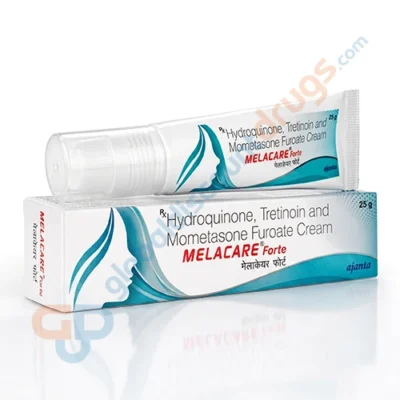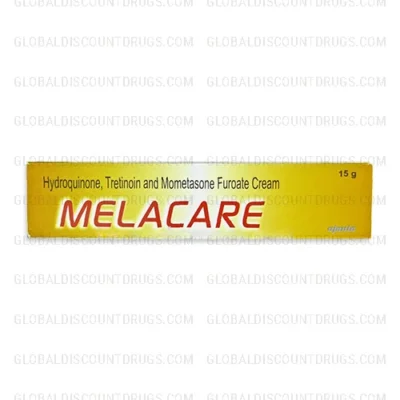
Hydroquinone-Tretinoin-Mometasone
In StockHydroquinone-Tretinoin-Mometasone is a well-known triple-combination cream used for the short-term, aggressive treatment of moderate-to-severe facial hyperpigmentation, such as melasma. Hydroquinone acts as a potent skin lightener, tretinoin enhances skin cell turnover, and mometasone (a mid-potency corticosteroid) reduces inflammation and irritation. This formulation provides a comprehensive approach to correcting dark spots, promoting a smoother, more uniform skin tone.

What is Hydroquinone–Tretinoin–Mometasone?
Hydroquinone–tretinoin–mometasone is a topical combination medication that includes three active ingredients from different drug classes, working together to treat moderate to severe facial hyperpigmentation:
- Hydroquinone – a skin-depigmenting agent that reduces melanin (pigment) production
- Tretinoin – a topical retinoid that increases skin cell turnover and enhances penetration of the other ingredients
- Mometasone furoate – a mid-potency topical corticosteroid included to reduce irritation caused by the other two ingredients
This combination is most commonly prescribed for:
- Short-term treatment of moderate to severe melasma of the face in patients who have not responded adequately to other treatments or skin care measures
Available formulation:
- Topical cream
This is typically available as a single fixed-strength combination product; individual ingredient concentrations may vary by manufacturer. Patients should confirm the specific formulation with their pharmacist or dermatologist.
What is the Recommended Dosage of Hydroquinone–Tretinoin–Mometasone?
Application amount, frequency, and treatment duration are determined by a licensed dermatologist and depend on:
- The severity and extent of the melasma being treated
- Skin sensitivity and tolerance to retinoids and corticosteroids
- Response to treatment during the course
- Any history of skin reactions to the individual ingredients
General principles:
- Typically applied as a thin layer to the affected facial areas once daily, often in the evening, as directed by the prescribing dermatologist.
- This medication is generally intended for short-term use (commonly around 8 weeks, though the exact duration must be determined by the treating specialist) due to the corticosteroid component, and is not intended for long-term continuous use.
- This guide does not provide individualized dosing instructions. Always follow the specific application schedule and treatment duration provided by your dermatologist.
How Hydroquinone–Tretinoin–Mometasone Works
Each ingredient contributes a different action:
- Hydroquinone inhibits tyrosinase, an enzyme the skin needs to produce melanin, helping to gradually lighten areas of excess pigmentation.
- Tretinoin increases the turnover of skin cells and helps other ingredients penetrate the skin more effectively, while also contributing to overall skin renewal.
- Mometasone furoate, a corticosteroid, helps reduce the irritation, redness, and inflammation that hydroquinone and tretinoin can cause when used together, improving tolerability.
Together, these ingredients help reduce the appearance of melasma over the course of treatment. This medication manages the visible pigmentation; it does not address the underlying hormonal or sun-exposure-related causes of melasma, and pigmentation may return after treatment, particularly without ongoing sun protection.
Is a Prescription Required to Buy Hydroquinone–Tretinoin–Mometasone Online?
Yes. This combination medication is available by prescription only due to its potency and the inclusion of a corticosteroid and retinoid, both of which require medical supervision.
Patients should consult a licensed medical specialist, such as:
- A dermatologist, to confirm the diagnosis of melasma and determine appropriateness of this specific combination product
Important safety notes:
- Never purchase this medication from unverified or unlicensed online sources, as counterfeit combination skin-lightening products have been associated with safety concerns, including contamination with unlisted or unsafe ingredients.
- Only obtain this medication from a licensed pharmacy with a valid prescription.
- Avoid unregulated “skin whitening” products claiming similar effects, as ingredient concentration and purity cannot be verified.
Side Effects of Hydroquinone–Tretinoin–Mometasone
Common Side Effects
- Redness, peeling, or dryness of the treated skin
- Burning or stinging sensation, particularly when treatment begins
- Itching
- Skin irritation or a sensation of skin tightness
Serious Side Effects
Seek immediate medical attention or contact your dermatologist if any of the following occur:
- Signs of a severe allergic reaction (difficulty breathing, swelling of the face or throat, widespread hives)
- Signs of skin thinning, stretch marks, or visible blood vessels, which can occur with prolonged corticosteroid use beyond the recommended treatment duration
- Blue-black darkening of the skin (exogenous ochronosis), associated with prolonged or excessive hydroquinone use
- Signs of skin infection at the treated site (increasing redness, warmth, swelling, or pus), as topical corticosteroids can mask or contribute to infection risk
- Severe irritation, blistering, or unusual changes in skin texture or color
This is not a complete list. Patients and caregivers should report any new or worsening symptoms to the treating dermatologist promptly.
Drug Interactions
Before starting this medication, patients should inform their licensed medical specialist about all products they are using, including:
- Other topical retinoids, exfoliants, or acne treatments, which may increase irritation when combined
- Other topical corticosteroids, to avoid cumulative steroid exposure
- Other skin-lightening or depigmenting products
- Over-the-counter (OTC) skin care products, particularly those containing alcohol, astringents, or exfoliating acids
- Cosmetic products, which may increase irritation when layered with this medication
Always provide a complete and updated list of skin care products to your treating specialist to help reduce the risk of irritation or interactions.
Safety & Important Considerations
- Sun sensitivity: Tretinoin and hydroquinone both increase skin sensitivity to sunlight, and sun exposure can worsen melasma. Daily broad-spectrum sunscreen and sun-protective measures (such as hats and sun avoidance during peak hours) are essential during and after treatment.
- Limited treatment duration: Because this product contains a corticosteroid, it is intended for short-term use only. Extended or repeated use beyond what a specialist recommends increases the risk of skin thinning and other corticosteroid-related skin changes.
- Pregnancy and breastfeeding: This combination is generally not recommended during pregnancy or breastfeeding, given the tretinoin component; patients should discuss alternative options with their dermatologist if pregnant, planning pregnancy, or breastfeeding.
- Children: Not typically used in children; pediatric use requires specialist evaluation on a case-by-case basis.
- Application area: Should be applied only to the areas of hyperpigmentation identified by the dermatologist, avoiding the eyes, mouth, and mucous membranes, as well as any broken or irritated skin.
- Avoid occlusive dressings: Do not cover treated areas with airtight or occlusive dressings unless specifically directed by your dermatologist, as this can increase corticosteroid absorption.
- Rebound pigmentation: Melasma may return after stopping treatment, particularly without ongoing sun protection; long-term management should be discussed with your dermatologist.
This section is not exhaustive. A full evaluation by a licensed dermatologist is important before starting treatment, both to confirm the diagnosis and to establish an appropriate, time-limited treatment plan.
Who This Medication Is For
Hydroquinone–tretinoin–mometasone is typically prescribed for individuals who:
- Have been diagnosed with moderate to severe melasma affecting the face
- Have been evaluated by a dermatologist and determined to be appropriate candidates for a short-term combination therapy approach
- Are able to commit to consistent daily sun protection during and after treatment
Use should always be based on an individualized evaluation rather than self-diagnosis of a pigmentation concern.
Who Should Not Take Hydroquinone–Tretinoin–Mometasone
This medication may not be appropriate for individuals who:
- Have a known hypersensitivity to hydroquinone, tretinoin, mometasone, or any component of the formulation
- Are pregnant, planning pregnancy, or breastfeeding, without specific specialist guidance
- Have active skin infections (bacterial, viral, or fungal) in the treatment area
- Have significant skin conditions such as eczema, rosacea, or perioral dermatitis in the treatment area, without specialist guidance
- Have a history of exogenous ochronosis or prior adverse reaction to hydroquinone or tretinoin
A licensed dermatologist must confirm suitability based on a complete skin and medical history before treatment begins.
What to Do If You Miss a Dose
- Apply the missed application as soon as you remember, following the instructions provided by your dermatologist.
- If it is close to the time of your next scheduled application, skip the missed dose and resume the regular schedule.
- Do not apply extra product to make up for a missed application.
- Do not extend the overall treatment duration beyond what your dermatologist has prescribed to make up for missed applications.
- If you are uncertain about how to proceed, contact your treating dermatologist for guidance specific to your treatment plan.
Related medications to Hydroquinone–Tretinoin–Mometasone
Other options for managing melasma or hyperpigmentation that may be considered by a treating dermatologist include:
- Hydroquinone alone (without tretinoin or a corticosteroid)
- Azelaic acid
- Topical retinoids used alone
- Chemical peels or laser-based treatments performed by a qualified provider
- Non-hydroquinone brightening agents, such as tranexamic acid or kojic acid
These alternatives have different properties, benefits, and risks. Any change in treatment should only be made in consultation with a licensed dermatologist, based on the specific pigmentation concern, skin type, and treatment history.
Storage Instructions
- Store at room temperature, generally between 68°F and 77°F (20°C to 25°C), unless otherwise directed on the product label. Some formulations may require refrigeration — check the specific product label.
- Protect from excessive heat and direct light, as the hydroquinone component can degrade and darken (oxidize) with light and air exposure.
- Keep the container tightly closed when not in use.
- Store out of reach of children and pets.
- Do not use the product beyond its labeled expiration date, and discard if the product has visibly darkened or changed color.
- Follow any specific storage instructions provided by your pharmacist, as formulations may vary.
Disclaimer:
This page is for educational purposes only. It is not a substitute for professional medical advice, diagnosis, or treatment. Patients and caregivers must consult a licensed dermatologist before starting, changing, or stopping treatment with hydroquinone–tretinoin–mometasone. Treatment decisions must be based on a full clinical evaluation by a qualified specialist, taking into account the patient’s complete medical history, skin type, and current condition.
Prescription Required (Rx) to Buy?
This medication is not available over the counter. A valid prescription from a licensed healthcare
professional is required. Always consult your doctor before use.