
Octinoxate-Avobenzone-Oxybenzone-Zinc Oxide
In StockOxide Octinoxate-Avobenzone-Oxybenzone-Zinc Oxide describes a highly effective, broad-spectrum sunscreen that utilizes a mix of chemical and physical UV filters. The chemical filters (Octinoxate, Avobenzone, Oxybenzone) absorb UV radiation, while the physical filter (Zinc Oxide) reflects and scatters it. This multi-agent composition ensures maximum protection against both UVA rays (responsible for aging) and UVB rays (responsible for burning), minimizing sun damage and skin cancer risk.

What is Octinoxate–Avobenzone–Oxybenzone–Zinc Oxide?
Octinoxate–avobenzone–oxybenzone–zinc oxide is a topical combination product that belongs to the sunscreen (UV filter) class. It combines chemical and mineral (physical) UV filters to help protect the skin from ultraviolet (UV) radiation:
- Octinoxate – a chemical UV filter that primarily absorbs UVB rays
- Avobenzone – a chemical UV filter that primarily absorbs UVA rays
- Oxybenzone – a chemical UV filter that absorbs both UVA and UVB rays
- Zinc oxide – a mineral (physical) UV filter that reflects and scatters both UVA and UVB rays
This combination is used for:
- General sun protection to reduce the risk of sunburn
- Adjunctive use in patients being treated for photosensitive skin conditions or as part of a broader dermatologic treatment plan (such as during treatment with hydroquinone, tretinoin, or other photosensitizing agents) where consistent sun protection supports treatment outcomes
- Reducing UV-related skin damage with regular, correct use over time, as part of a broader sun-safety approach
Available formulations include:
Product strength (SPF value) and exact ingredient concentrations vary by manufacturer. Patients should confirm the specific SPF and formulation with their pharmacist or dermatologist.
What is the Recommended Dosage of Octinoxate–Avobenzone–Oxybenzone–Zinc Oxide?
Application amount and frequency depend on:
- The intended use (daily general protection vs. extended outdoor sun exposure)
- Skin type and sensitivity
- Activity level (for example, swimming or sweating, which may require more frequent reapplication)
- Any specific instructions from a dermatologist related to a skin condition or concurrent treatment
General principles:
- Typically applied generously to sun-exposed skin approximately 15–30 minutes before sun exposure, and reapplied approximately every two hours, or more often with swimming, sweating, or towel-drying, following product labeling.
- This guide does not provide individualized dosing instructions. Always follow the product labeling, or the specific instructions provided by your dermatologist, particularly if sunscreen is being used as part of a treatment plan for a specific skin condition.
How Octinoxate–Avobenzone–Oxybenzone–Zinc Oxide Works
This combination product protects the skin through two complementary mechanisms:
- Chemical filters (octinoxate, avobenzone, oxybenzone) absorb ultraviolet radiation and convert it into a small amount of heat, preventing the UV rays from penetrating deeper into the skin.
- Zinc oxide, a mineral filter, sits on the surface of the skin and reflects and scatters UV radiation away from the skin.
Together, these ingredients provide broad-spectrum protection against both UVA and UVB rays, helping to reduce the risk of sunburn and cumulative UV-related skin damage. This product does not treat existing skin damage or pigmentation; it helps prevent further UV-related harm with regular, correct use.
Is a Prescription Required to Buy Octinoxate–Avobenzone–Oxybenzone–Zinc Oxide Online?
No. Sunscreen products containing this combination of UV filters are generally available over the counter in most regions and do not require a prescription.
However, consultation with a licensed medical specialist, such as a dermatologist, is recommended if:
- Sunscreen is being used as part of a treatment plan for a photosensitive skin condition
- You have a history of sensitivity or allergic reactions to sunscreen ingredients
- You are unsure which SPF or formulation is appropriate for your skin type or condition
Important safety notes:
- Purchase sunscreen products from reputable, licensed retailers or pharmacies to help ensure product authenticity and correct labeling.
- Be cautious of products claiming very high SPF values without proper regulatory testing, as labeling requirements vary by country.
Side Effects of Octinoxate–Avobenzone–Oxybenzone–Zinc Oxide
Common Side Effects
- Mild stinging or burning upon application, particularly on broken or irritated skin
- Skin irritation or redness
- A temporary whitish cast on the skin (more common with zinc oxide-containing formulations)
- Clogged pores or mild breakouts in acne-prone individuals
Serious Side Effects
Seek immediate medical attention if any of the following occur:
- Signs of a severe allergic reaction (difficulty breathing, swelling of the face or throat, widespread hives)
- Significant allergic contact dermatitis, with pronounced redness, swelling, or blistering at the application site
- Signs of a photoallergic reaction (a rash that develops specifically in sun-exposed, sunscreen-treated areas)
This is not a complete list. Patients and caregivers should report any new or worsening symptoms to a healthcare provider promptly.
Drug Interactions
Before using this product, patients should inform their dermatologist or pharmacist about other topical products they are using, including:
- Other topical medications applied to the same area, particularly photosensitizing agents such as tretinoin, hydroquinone, or certain acne treatments, as these are often used together with sunscreen rather than interacting negatively — but application order and timing may be recommended by your specialist
- Other cosmetic or skin care products, which may affect how the sunscreen adheres to the skin
Always provide a complete list of skin care products to your treating specialist, particularly if you are using sunscreen as part of a broader dermatologic treatment plan.
Safety & Important Considerations
- Chemical filter absorption: Some chemical UV filters, including oxybenzone, can be absorbed into the bloodstream with regular use; regulatory agencies continue to evaluate long-term safety data, though current guidance generally supports continued sunscreen use given the established risks of unprotected UV exposure. Discuss any specific concerns with your dermatologist.
- Allergic and photoallergic reactions: Oxybenzone is a relatively common cause of allergic and photoallergic skin reactions; individuals with known sensitivity should consider mineral-only alternatives.
- Environmental considerations: Oxybenzone and octinoxate have been restricted in some coastal regions due to concerns about environmental impact on coral reefs; check local regulations if traveling to affected areas.
- Pregnancy and breastfeeding: Sunscreen use is generally recommended during pregnancy and breastfeeding; however, some patients or providers may prefer mineral-only (zinc oxide) formulations during these periods. Discuss preferences with your obstetric provider or dermatologist.
- Children: Chemical sunscreen filters are generally not recommended for infants under six months of age; mineral-only formulations and sun-avoidance measures are typically preferred for this age group. Consult a pediatric provider for guidance.
- Reapplication is essential: No sunscreen provides complete protection; reapplication and additional sun-protective measures (clothing, shade, sunglasses) are important for effective protection.
This section is not exhaustive. Consultation with a dermatologist can help determine the most appropriate sunscreen formulation for your skin type, condition, and lifestyle.
Who This Medication Is For
This sunscreen combination is typically appropriate for individuals who:
- Want broad-spectrum protection against UVA and UVB radiation for general daily use or extended outdoor exposure
- Are undergoing dermatologic treatment for a photosensitive condition and have been advised by their specialist to use consistent sun protection
- Do not have known allergies to any of the specific chemical filters included in the formulation
Use should be tailored to individual skin type, sensitivity, and any specific guidance from a treating dermatologist.
Who Should Not Take Octinoxate–Avobenzone–Oxybenzone–Zinc Oxide
This product may not be appropriate for individuals who:
- Have a known hypersensitivity or allergy to octinoxate, avobenzone, oxybenzone, zinc oxide, or any component of the formulation
- Have a history of photoallergic reactions to chemical sunscreen filters, particularly oxybenzone
- Are infants under six months of age (chemical filter formulations are generally not recommended for this age group)
- Have significant active dermatitis in the area of intended application, without specialist guidance
A dermatologist should be consulted if there is uncertainty about suitability, particularly for those with sensitive skin or a history of sunscreen-related reactions.
What to Do If You Miss a Dose
- Sunscreen should be applied before sun exposure and reapplied regularly rather than following a fixed “dose” schedule.
- If you forget to apply sunscreen before going outside, apply it as soon as you remember and seek shade or cover exposed skin until it can be applied.
- If you miss a reapplication interval, apply the product as soon as you remember, particularly before continued sun exposure.
- If you are uncertain about proper use as part of a treatment plan, contact your dermatologist for specific guidance.
Related medications to Octinoxate–Avobenzone–Oxybenzone–Zinc Oxide
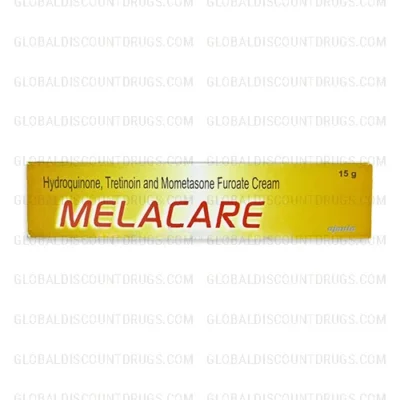
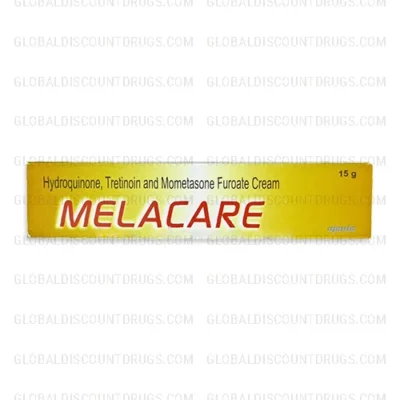
This combination contains sunscreen ingredients used for photoprotection. Related informational pages include Hydroquinone and Hydroquinone-Tretinoin-Fluocinolone Acetonide, where sun protection may form part of broader pigmentation care. Sunscreen should not be presented as equivalent to prescription pigmentation treatment.
Storage Instructions
- Store at room temperature, generally between 68°F and 77°F (20°C to 25°C), unless otherwise directed on the product label.
- Protect from excessive heat and direct sunlight, as extreme temperatures can affect product stability.
- Keep the container tightly closed when not in use.
- Store out of reach of children.
- Do not use the product beyond its labeled expiration date, as sunscreen effectiveness declines over time.
- Follow any specific storage instructions provided on the product label, as formulations may vary.
Disclaimer:
This page is for educational purposes only. It is not a substitute for professional medical advice, diagnosis, or treatment. Patients and caregivers should consult a licensed dermatologist regarding the most appropriate sunscreen formulation for their skin type, medical history, or any concurrent dermatologic treatment. Treatment and product decisions must be based on individual guidance from a qualified specialist, taking into account the patient’s complete medical history and current condition.
Prescription Required (Rx) to Buy?
This medication is not available over the counter. A valid prescription from a licensed healthcare
professional is required. Always consult your doctor before use.