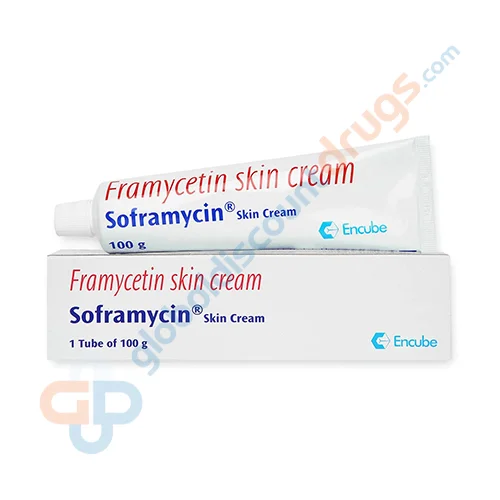
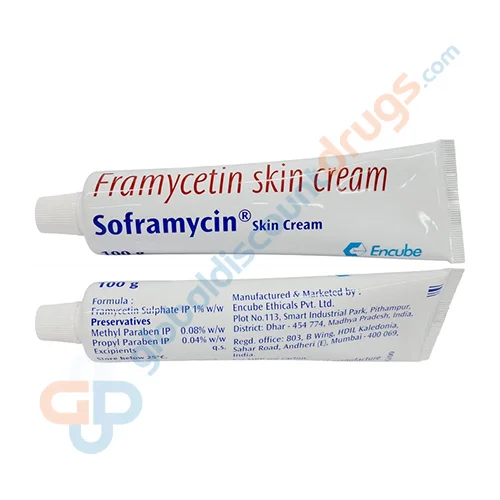
Framycetin sulphate 1% Cream 100gm
In StockFramycetin Sulphate 1% Cream contains an aminoglycoside antibiotic that helps manage localized bacterial skin infections. Apply only to affected skin and discontinue use if irritation or allergic reactions occur.
| Active Ingredient: | Framycetin sulphate |
|---|---|
| Indication: | Bacterial Skin Infection |
| Strength: | 100gm |
| Dosage Form: | Cream |
| Manufacturer: | Encube Ethicals Private Limited |

Framycetin sulphate 1% Cream 100gm Quick Overview
Framycetin sulphate 1% Cream 100gm is a prescription topical antibiotic used to treat bacterial skin infections, infected wounds, minor burns, and secondary bacterial complications in skin conditions. It belongs to the aminoglycoside antibiotic family and works by binding to bacterial ribosomes to stop protein synthesis and kill susceptible organisms at the site of infection. This product requires a valid prescription and must be used only under the supervision of a licensed healthcare provider.
Key Product Facts
Drug Class: Aminoglycoside antibiotic (topical)
Active Ingredient: Framycetin sulphate 1% (chemically equivalent to neomycin B sulfate)
Mechanism: Binds to the bacterial 30S ribosomal subunit, inhibits protein synthesis, and kills susceptible bacteria (bactericidal action)
Dosage Form: Topical cream, 100gm tube
Application Frequency: Typically 2 to 3 times daily as prescribed by a physician
Regulatory Status: Prescription-only (Rx) in the United States, regulated by the FDA
Framycetin sulfate is the sulphate salt form of framycetin, which is chemically identical to neomycin B, a naturally occurring aminoglycoside antibiotic. This framycetin skin cream is formulated at a 1% concentration for direct application to the affected skin surface.
How Framycetin Sulphate Works
Framycetin sulfate belongs to the aminoglycoside antibiotic class and acts by irreversibly binding to the 30S ribosomal subunit within bacterial cells. This attachment disrupts normal messenger RNA translation, causing the bacteria to produce defective and toxic proteins. The outcome is bacterial cell death rather than growth suppression, classifying framycetin sulphate as a bactericidal antibiotic.
The antibacterial activity of this product covers aerobic gram-positive bacteria, particularly Staphylococcus aureus, along with several gram-negative organisms. Because the drug is applied directly to the skin as a topical cream, it delivers therapeutic concentrations at the site of infection while systemic absorption remains minimal under standard conditions of use on limited surface areas.
This targeted delivery approach makes framycetin skin cream suitable for managing localized skin infections where oral or intravenous antibiotics are not clinically required, reducing unnecessary systemic antibiotic exposure.
Approved Uses and Indications
Framycetin sulphate 1% cream is indicated for the following conditions when caused by susceptible bacteria:
Infected Wounds: Cuts, abrasions, lacerations, and post-surgical wounds showing signs of bacterial infection such as redness, warmth, swelling, or discharge.
Minor Burn Infections: Superficial partial-thickness burns where bacterial contamination or active infection is present or at risk.
Infected Eczema: Atopic dermatitis and related eczematous skin conditions with confirmed secondary bacterial superinfection, most commonly involving Staphylococcus aureus.
Impetigo: A contagious, superficial skin infection presenting with honey-colored crusted sores, typically caused by Staphylococcus aureus or Streptococcus pyogenes.
Infected Dermatoses: Inflammatory skin conditions of various types that have been complicated by bacterial superinfection.
Folliculitis: Bacterial infection at the hair follicle base, presenting as inflamed pustules or papules on the skin surface.
This cream is active only against bacteria. It provides no benefit for infections caused by viruses, fungi, or parasites. A physician should confirm the diagnosis and the suitability of topical treatment before prescribing this product.
Prescription Status and Regulatory Context
Framycetin sulphate 1% cream is a prescription-required (Rx) medication in the United States, regulated under FDA authority for topical antibiotic formulations. A valid prescription from a licensed physician is required before this product can be dispensed or used.
The FDA classifies topical aminoglycosides as prescription-only medications because correct clinical diagnosis, screening for contraindications such as aminoglycoside allergy, and monitoring for sensitization reactions are all essential to safe use. Unsupervised application of topical antibiotics without an accurate diagnosis can delay appropriate care and contribute to antimicrobial resistance in skin bacteria.
Patients should consult a licensed physician or dermatologist before initiating treatment with this product.
Clinical Background
Superficial bacterial skin infections are among the most frequently encountered dermatological presentations in the United States, with millions of cases diagnosed annually. Staphylococcus aureus and Streptococcus pyogenes are the pathogens responsible for the majority of wound infections, impetigo cases, and bacterial complications of eczema. Without timely and appropriate antibiotic treatment, localized infections can spread to deeper tissue layers and may require systemic antibiotic therapy.
Framycetin sulphate cream is prescribed when a bacterial skin infection has been confirmed or is strongly suspected and when topical management is clinically appropriate. It delivers direct antibacterial action at the affected site without requiring the systemic antibiotic route, making it a preferred choice for well-defined, surface-level infections.
In clinical practice, this product is used as a short-course treatment. Prolonged application beyond physician-directed recommendations is not advised, as extended use increases the risk of contact sensitization and may foster resistance in skin flora.
Application Guide and Dosage
The prescribing physician determines the appropriate dose, frequency of application, and treatment duration for each individual patient based on the type, location, and severity of the infection.
Preparation Before Application: Gently clean the affected skin area with mild soap and water. Pat the area dry before applying the cream.
How to Apply: Spread a thin, even layer of framycetin sulphate 1% cream directly over the affected skin. Gently rub in or leave as a surface coating depending on the wound type and your physician’s instructions. Apply a sterile dressing over the area if your physician recommends it.
Application Frequency: The standard regimen is two to three times daily. Follow the exact schedule prescribed and do not apply more frequently without physician guidance.
Duration of Treatment: Most bacterial skin infections require 7 to 10 days of treatment. Do not continue beyond the recommended period without a physician reassessing the condition.
Missed Application: Apply the cream as soon as you remember. If the next scheduled application is approaching, skip the missed one and continue with the regular schedule. Do not apply a double amount to compensate.
Completing the Course: Finish the full prescribed course even if the skin looks healed before the end date. Stopping early may allow surviving bacteria to proliferate and cause the infection to return. Do not discontinue treatment without consulting your physician.
Areas to Avoid: Do not apply this cream to the eyes, inside the ear canal, on mucous membranes, or over large open wounds unless specifically directed by a physician.
Side Effects of Framycetin sulphate 1% Cream 100gm
Framycetin sulphate 1% cream is generally well tolerated when applied to a limited skin area for a short, physician-prescribed treatment course. Side effects, when they occur, are most often localized to the application site.
Common Application Site Reactions
Mild and temporary reactions at the treated area are the most frequently reported side effects. These include mild burning, stinging, itching, redness, or minor skin dryness after application. These reactions are typically short-lived and often resolve within the first few days of use or after treatment ends. Inform your healthcare provider if these effects persist or become more pronounced during the course of treatment.
Clinically Significant Side Effects
Allergic contact dermatitis is the most important adverse effect associated with topical aminoglycosides, including framycetin sulfate. This sensitization reaction can develop during the treatment course or with repeated use over time. Patients may notice that the skin appears to worsen rather than improve, with increasing redness, itch, and inflammation. If the skin reaction appears to be worsening despite continued use, stop applying the cream and contact your physician.
Systemic absorption is a recognized concern when the cream is applied to large areas of broken, burned, or ulcerated skin. In such cases, measurable blood levels of framycetin may develop, with potential for aminoglycoside-related kidney toxicity (nephrotoxicity) or inner ear damage (ototoxicity). These risks are low with standard short-term use on small skin areas.
Seek Immediate Medical Attention if You Experience:
- Sudden worsening of redness, blistering, or swelling at or around the treated site
- Hives or rash spreading beyond the application area
- Difficulty breathing or tightness in the throat
- Swelling of the face, lips, or tongue
- Ringing in the ears, dizziness, or loss of balance
- Noticeable decrease in urination or other signs of kidney distress
Warnings, Precautions, and Drug Interactions
Aminoglycoside Cross-Sensitivity: Framycetin sulphate and neomycin are closely related compounds within the aminoglycoside family. Cross-reactivity between these agents is well established and clinically significant. Patients with a known allergy or documented sensitization to neomycin, tobramycin, gentamicin, or any other aminoglycoside antibiotic must disclose this history to their physician before this cream is prescribed.
Application Over Compromised or Large Skin Areas: Applying this cream to large areas of broken, burned, or severely inflamed skin substantially increases systemic absorption. Under these conditions, blood concentrations of framycetin may reach levels associated with renal and auditory toxicity comparable to systemic aminoglycoside administration. Physicians should carefully assess benefit-versus-risk before prescribing for these situations.
Drug Interactions: Clinically significant systemic drug interactions are unlikely with routine topical use on small, defined areas of intact or minimally broken skin. However, if significant absorption occurs due to extensive area application, concurrent use of nephrotoxic medications such as cisplatin, cyclosporine, or vancomycin may increase the risk of kidney damage. Use alongside loop diuretics such as furosemide may increase the risk of aminoglycoside-related hearing and balance toxicity. Inform your physician of all prescription medications, over-the-counter products, and topical preparations in use before starting treatment.
Pregnancy: Systemic aminoglycoside antibiotics carry risk of fetal harm, particularly to the auditory and vestibular systems of the developing fetus. While topical framycetin exposure is much lower than systemic dosing, this cream should be used during pregnancy only when the clinical benefit clearly justifies the potential risk. Discuss use with your obstetrician or prescribing physician.
Breastfeeding: Avoid applying this cream to the breast or chest area when nursing an infant. The safety of topical framycetin sulphate during breastfeeding has not been fully established. Consult your healthcare provider before continuing or starting treatment while breastfeeding.
Pediatric Use: Use in children is possible under direct physician supervision. The skin of infants and young children is thinner and more permeable than adult skin, increasing the potential for systemic absorption. Extra caution is warranted in neonates and children under two years of age.
Renal Impairment: Patients with pre-existing kidney disease should use this product with caution, particularly when applying to larger skin areas. Impaired renal clearance may result in drug accumulation and increased risk of adverse effects.
Monitoring: For extended treatment courses or application to large affected areas, your physician may recommend periodic assessment of kidney function or relevant clinical parameters.
Who Should Not Use This Medication
The following individuals should not use framycetin sulphate 1% cream without direct physician authorization and thorough clinical evaluation:
- Patients with a confirmed allergy or prior sensitization to framycetin, neomycin, tobramycin, or any other aminoglycoside antibiotic
- Individuals with known sensitivity to any inactive ingredient in the cream formulation
- Patients with a perforated eardrum where ear-adjacent application has been considered
- Patients with severe or end-stage chronic kidney disease
- Individuals with deep puncture wounds, animal bite injuries, or heavily contaminated wounds that require systemic antibiotic therapy
- Patients with confirmed fungal or viral skin infections, as this cream has no activity against these pathogens
- Individuals with a prior history of paradoxical skin worsening or sensitization reaction with topical neomycin or related aminoglycosides
Storage Instructions
Store framycetin sulphate 1% cream at room temperature between 59 and 77 degrees Fahrenheit (15 to 25 degrees Celsius). Do not freeze the product or store it near heat sources.
Keep the tube tightly closed after each use. Store in a dry location away from direct sunlight and humidity. Bathroom medicine cabinets are not recommended for storage due to recurring heat and moisture exposure.
Keep this cream and all medications out of the reach of children and pets at all times. Do not use the product after the expiration date printed on the tube or outer packaging. Dispose of unused or expired cream according to local pharmaceutical disposal guidelines. Do not flush medication down a drain or toilet.
Frequently Asked Questions
What is framycetin sulphate 1% cream used for?
Framycetin sulphate 1% cream is used to treat localized bacterial skin infections including infected wounds, minor burns, impetigo, infected eczema, and folliculitis. It kills susceptible bacteria directly at the application site. This product is not effective against viral or fungal infections. A physician should confirm the diagnosis and the suitability of topical therapy before treatment begins.
Does framycetin sulphate cream require a prescription?
Yes, framycetin sulphate cream requires a valid prescription from a licensed physician in the United States. Medical evaluation is necessary to confirm the bacterial nature of the infection, screen for aminoglycoside allergy, and determine whether topical therapy is appropriate. Using prescription antibiotics without a proper diagnosis can delay correct treatment and contribute to antibiotic resistance.
How long does framycetin sulphate cream take to work?
Most patients begin to see improvement in the skin infection within 3 to 5 days of consistent use. The full prescribed course of 7 to 10 days should be completed regardless of early improvement. Stopping treatment before the course ends may allow bacteria to survive and cause recurrence. Contact your physician if no visible improvement is seen after 5 days of treatment.
Is it safe to stop using framycetin sulphate cream before the course ends?
No. Stopping treatment before completing the prescribed course without physician guidance is not recommended. Discontinuing early may leave live bacteria at the infection site, allowing the condition to return and potentially making it more difficult to treat. Always complete the full course as directed and speak with your doctor before making any changes to your treatment schedule.
What should I do if I miss an application?
Apply the cream as soon as you remember the missed application. If the next scheduled application is approaching, skip the missed dose and resume your regular routine. Never apply a double amount to compensate for what was missed. Maintaining a consistent daily schedule helps ensure the medication remains effective throughout the full treatment period.
Can framycetin sulphate cream interact with other medications?
Significant drug interactions are unlikely with routine topical use on small, defined skin areas. If the cream is applied over large areas of broken skin, absorption increases and may amplify the toxicity of systemic nephrotoxic drugs such as cisplatin or furosemide. Always inform your prescribing physician of all medications, including over-the-counter products and other topical preparations, before starting treatment.
What is the cost of framycetin sulphate cream without insurance?
The cost without insurance depends on the seller, brand availability, and pack size, and may also vary by location and available pharmacy discounts. Generic topical aminoglycoside formulations are generally more affordable than branded versions. Contact your local pharmacy or a licensed online pharmacy for current pricing information. A valid prescription is required for purchase in the United States.
How can I order framycetin sulphate cream online?
A valid prescription from a licensed US physician is required. Upload your prescription to a verified online pharmacy or have your doctor send it directly to the pharmacy. Always order from a state-licensed pharmacy verified through the National Association of Boards of Pharmacy (NABP) to confirm product safety and authenticity before purchasing.
Resources
The following pages provide additional reading on topics related to framycetin sulphate, bacterial skin infections, and safe antibiotic use:
- Skin Infections: Causes, Symptoms, and Treatment (MedlinePlus): https://medlineplus.gov/skininfections.html
- Antibiotic Prescribing and Use (CDC): https://www.cdc.gov/antibiotic-use/index.html
- Impetigo: Overview, Causes, and Management (American Academy of Dermatology): https://www.aad.org/public/diseases/a-z/impetigo-overview
- Safe Use of Medicines (U.S. FDA): https://www.fda.gov/drugs/safe-use-medicine
- Understanding Aminoglycoside Antibiotics (NCBI Bookshelf): https://www.ncbi.nlm.nih.gov/books/NBK539814/
References
- MedlinePlus, U.S. National Library of Medicine. https://medlineplus.gov/druginfo/meds/a601098.html
- U.S. National Library of Medicine. DailyMed Drug Label Database: Neomycin Sulfate Cream. https://dailymed.nlm.nih.gov/dailymed/search.cfm?query=neomycin+sulfate+cream&searchdb=labelforms
- Krause KM, Serio AW, Kane TR, Connolly LE. Aminoglycosides: An Overview. Cold Spring Harbor Perspectives in Medicine. 2016;6(6):a027029. https://www.ncbi.nlm.nih.gov/pmc/articles/PMC4888811/
Medical Disclaimer
This content is for informational purposes only and does not constitute medical advice, diagnosis, or treatment. Consult a qualified specialist or physician before using Framycetin Sulphate 1% Cream. For full details on the limitations of this content, please review our Medical Disclaimer for more details.
Prescription Required (Rx) to Buy?
This medication is not available over the counter. A valid prescription from a licensed healthcare
professional is required. Always consult your doctor before use.
| Quantity | 2, 4, 6, 8 |
|---|---|
| Indication | Bacterial Skin Infection |
| Active Ingredient | Framycetin sulphate |
| Pharmaceutical Form | Cream |
| Manufacturer | Encube Ethicals Private Limited |
| Indian Brand | Soframycin Skin Cream 100gm |
| US Brand Name | Rowasa |
| Generic Name | Framycetin sulphate |
| Dosage | 100gm |
| Drug Type | Tubes |