
Will 1000mg of Azithromycin Cure Chlamydia
If you have been diagnosed with a condition like chlamydia, you may wonder whether taking 1,000 mg of azithromycin will cure the infection. The short answer to this question is that azithromycin can overcome chlamydia, but a single 1,000 mg dose is not the best treatment for every person or every type of chlamydia infection.
Also, 1,000 mg is the same as the medicine 1 gram. Treatment should be well based on a confirmed diagnosis and advice from a healthcare professional which can rather be about taking an antibiotic on their own.
The U.S. Centers for Disease Control and Prevention (CDC) also has listed doxycycline as the recommended treatment for chlamydia condition. While in adolescents and adults, with azithromycin 1 gram as an alternative.
This means that using the medicine as dosage 1,000 mg of azithromycin might also cure chlamydia in some people, but you should not use this dose without appropriate medical advice.
What Is Chlamydia?
Chlamydia medicine is a common sexually transmitted infection (STI) that is caused by bacterium Chlamydia trachomatis. This can also spread through vaginal, anal, or oral sex. There are many people with chlamydia conditions and who have absolutely no symptoms about it. When these symptoms do occur, they may also include some of the unusual vaginal or penile discharge, pain while urinating, pelvic pain, or pain during sex. As the conditions can be just so mild or absent, testing is just so important. A healthcare professional might also use a urine sample or a swab to test the infection. Some of the untreated chlamydia can lead to several health issues. In women, this issue can lead to some of the pelvic inflammatory disease (PID) condition. This can also enhance the risk of infertility, ectopic pregnancy, and long-term pelvic pain. The issue of Chlamydia can be passed between sexual partners.Can 1000mg of Azithromycin Cure Chlamydia?
The medicine Azithromycin 1,000 mg (1 gram) can be used to treat uncomplicated chlamydia in some of the situations. However, it should not be assumed that one dosage is quite well the right treatment for everyone to use. The World Health Organization (WHO) updated its recommendations for chlamydia treatment back in 2024. For adults and adolescents with some of the issues like uncomplicated genital, anorectal, or oropharyngeal chlamydia, WHO suggests doxycycline 100 mg twice daily for seven days. If the medicine doxycycline is not available or using various dosages is some of the severe concern, WHO suggests azithromycin 1 gram as a single dose.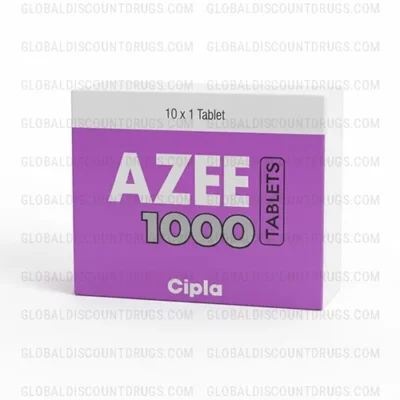
$5.26 -
$6.43
per pill
Why Is Doxycycline Often Preferred?
There are various research that have all shown that doxycycline is usually more effective than azithromycin for some types of chlamydia infection. This can particularly go for some rectal infections. This is also important as a person can have certain rectal chlamydia without having some of the obvious rectal symptoms. The CDC notes which can be rectal chlamydia might also occur along with genital infection, particularly in women, and that doxycycline medicine has shown better effectiveness for rectal infection. For this reason, the healthcare professional might highly recommend doxycycline instead of having a single dose of azithromycin. The right treatment can also be well depended on factors like the location of the infection, other health conditions, pregnancy, possible exposure to another STI, and whether you can complete a multi-day course of medicine.What If You Are Pregnant?
Pregnancy can change the antibiotics recommended. WHO recommends azithromycin 1 gram by mouth as a single dose for pregnant and breastfeeding women with some sort of uncomplicated chlamydia. However, most of the tome pregnancy should always be discussed with a healthcare professional before using any sort of antibiotic. Never choose an STI treatment based only on a dosage you found online.What Happens After Treatment?
Using an antibiotic is only one part of managing the condition of chlamydia. The sexual partner or partners might also need to test and treat them. Otherwise, you might simply become infected again after posting the treatment. WHO advises numerous people on treating for chlamydia to wait seven days post taking the medicine before having lovemaking session, or to use those condoms correctly if lovemaking session cannot be avoided. There are various Partners who should also be notified so they can receive appropriate testing and treatment. It is also important for one to remember that treatment does not make the immune to chlamydia. You can get those infections right again after getting some of the successful treatment if you are exposed to it again.When Should You See a Doctor?
Seek proper medical care if you think you have been exposed to condition of chlamydia, or might have symptoms of an STI, or have tested positive. You should not take any sort of leftover antibiotics or use someone else's prescription. Various STIs can lead to similar symptoms, and azithromycin medicine might not treat every infection that can take place at the same time. If you have pelvic pain, testicular pain or swelling, fever, unusual bleeding, or significant pain, you need to seek medical attention promptly.The Bottom Line
Will 1,000 mg of azithromycin cure chlamydia? It can, but it is not the right treatment for everyone to adapt. Azithromycin 1 gram is still an accepted solution in some of the situations. However, current WHO and CDC guidance can simply Favor doxycycline for numerous uncomplicated chlamydia infections. This can take place because it is more effective for rectal infections.
Editorial Standards
Content published on Global Discount Drugs is reviewed by healthcare professionals and supported by credible medical sources. Read our Editorial Content Policy to learn more.
