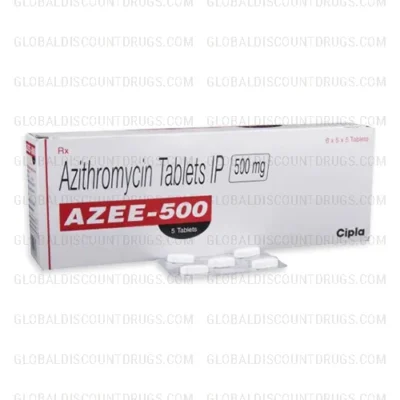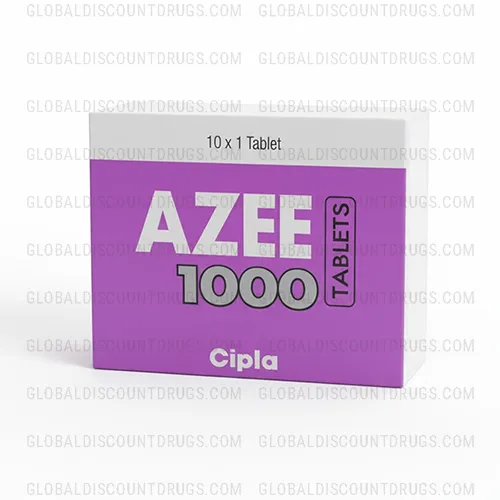

Azithromycin 1000mg
In StockAzithromycin 1000 mg Tablet belongs to the macrolide antibiotic class and is used for selected susceptible bacterial infections. Complete the prescribed course to help reduce the risk of antibiotic resistance.
| Active Ingredient: | Azithromycin |
|---|---|
| Indication: | Bacterial Infections |
| Strength: | 1000mg |
| Dosage Form: | Tablets |
| Manufacturer: | Cipla Limited |

Azithromycin 1000mg – Quick Overview
Azithromycin 1000mg is a prescription macrolide antibiotic used to treat certain bacterial infections, including chlamydia-related genital infections, in a single dose. It works by stopping bacteria from producing proteins they need to grow and multiply. This medicine requires a valid prescription and should be taken exactly as directed by your doctor.
Medical Supervision & Regulatory Status
Azithromycin 1000mg is available by prescription only in the United States and is regulated by the FDA. It is not sold over the counter because incorrect use can lead to antibiotic resistance, heart rhythm problems, or treatment failure. Medical supervision ensures the correct diagnosis, dose, and monitoring for interactions.
Clinical Context
Bacterial infections such as chlamydia, chancroid, and certain respiratory or skin infections require targeted antibiotic therapy to clear the infection and prevent complications or spread to others. Left untreated, some of these infections can lead to more serious reproductive or systemic health issues.
Treatment is needed when a bacterial infection is confirmed or strongly suspected, and a fast, reliable regimen is important for patient adherence and public health control of transmissible infections.
Within antibiotic therapy, azithromycin’s long half-life allows single-dose or short-course regimens, making the 1000mg dose particularly useful where completing a multi-day course may be difficult, such as sexually transmitted infection treatment.
How Azithromycin Works
Azithromycin belongs to the macrolide antibiotic class.
Its mechanism involves binding to the bacterial ribosome (50S subunit), which blocks bacterial protein synthesis and stops the bacteria from multiplying.
By halting bacterial growth, azithromycin allows the body’s immune system to clear the infection, offering effective treatment with a convenient single-dose or short-course regimen.
What is Azithromycin 1000mg?
| Attribute | Detail |
|---|---|
| Drug Class | Macrolide antibiotic |
| Active Ingredient | Azithromycin (as dihydrate) |
| Mechanism | Inhibits bacterial protein synthesis by binding the 50S ribosomal subunit |
| Form | Oral tablet / single-dose oral powder packet |
| Dosing Frequency | Typically a single one-time dose for this strength |
| Regulatory Status | Prescription only (Rx), FDA-approved |
Uses / Indications
| Indication | Brief Explanation |
|---|---|
| Chlamydial genital infections (urethritis/cervicitis) | A single 1000mg dose treats uncomplicated infections caused by Chlamydia trachomatis. |
| Chancroid | A single 1000mg dose is used to treat this bacterial sexually transmitted infection. |
| Gonococcal infections (combination therapy) | Used alongside another antibiotic, per treatment guidelines, for susceptible Neisseria gonorrhoeae. |
Azithromycin is not effective against viral infections such as the common cold or flu.
How to Use / Dosage
Your doctor will confirm whether the 1000mg dose is appropriate for your specific infection and will determine if it should be taken as a single dose or split over a short course. Azithromycin can be taken with or without food, though taking it consistently the same way each time may reduce stomach upset. Since this strength is often prescribed as a one-time dose, a “missed dose” typically does not apply — but if a multi-day regimen is prescribed and you miss a dose, take it as soon as you remember and contact your pharmacist for guidance. Do not stop or repeat a dose without medical advice, and always complete any additional doses exactly as prescribed to prevent antibiotic resistance.
Side Effects
Most people tolerate azithromycin well, with side effects typically being mild and temporary. Common effects include nausea, diarrhea, stomach pain, and headache. Serious effects can include liver problems, severe allergic reactions, and abnormal heart rhythms, particularly in patients with existing heart conditions.
Emergency Warning Signs — Seek immediate medical care if you experience:
- Irregular heartbeat, palpitations, or fainting
- Yellowing of the skin or eyes (jaundice)
- Severe diarrhea with blood or mucus
- Swelling of the face, lips, tongue, or throat
- Difficulty breathing or swallowing
- Severe skin rash, blistering, or peeling
- Unusual fatigue with dark urine
Warnings & Precautions
Azithromycin is contraindicated in patients with a known history of allergic reaction to azithromycin or other macrolide antibiotics, and it should be used cautiously in individuals with a history of liver disease, as it is metabolized in the liver and excreted in bile. Concomitant use with drugs that prolong the QT interval, such as certain antiarrhythmics, or in patients with existing heart rhythm abnormalities, low potassium or magnesium, or a history of QT prolongation, can increase the risk of dangerous arrhythmias. Interactions with antacids containing aluminum or magnesium may reduce absorption if taken at the same time, and caution is advised when combined with warfarin, as azithromycin may enhance its blood-thinning effect. Use during pregnancy and breastfeeding should be discussed with a doctor, as it should be used only when clearly needed. Patients with severe kidney impairment and elderly individuals with cardiac risk factors require closer monitoring during treatment.
Who Should Not Use This Medication
- Known hypersensitivity to azithromycin, erythromycin, or other macrolide/ketolide antibiotics
- History of cholestatic jaundice or liver problems related to prior azithromycin use
- Existing QT prolongation or uncorrected electrolyte imbalances (low potassium/magnesium)
- Patients taking other QT-prolonging medications without medical clearance
- Severe hepatic impairment (use only under close monitoring)
Storage Instructions
Store Azithromycin 1000mg tablets or packets at room temperature, away from excess heat and humidity. Keep the container tightly closed and protect from direct light and moisture, such as in a bathroom cabinet. Always store out of reach and sight of children and pets, and dispose of any unused medication safely through a take-back program.
Frequently Asked Questions
What is the cost of Azithromycin 1000mg without insurance?
Azithromycin is generally affordable, especially as a generic. The cost without insurance depends on the seller, brand availability, and pack size, and may also vary by location and available discounts.
How can I order Azithromycin online?
A valid prescription is required to order this medication. You can upload your prescription or have your doctor send it directly to a licensed pharmacy for home delivery. Always use verified, licensed pharmacies to ensure product safety and authenticity.
Is Azithromycin available over the counter?
No, it is not available over the counter in most countries, including the United States. Regulations may vary by region, but medical supervision is required for safe and effective use.
Does Azithromycin require a prescription?
Yes, a prescription is required in the U.S. and most countries. Medical evaluation helps confirm the infection type and ensures the correct dose and safety monitoring.
How long does it take for Azithromycin to work?
Many people notice symptom improvement within 1–3 days, though the infection-causing bacteria may take longer to fully clear. Always complete the full prescribed regimen even if you feel better.
Is it safe to stop Azithromycin suddenly?
If prescribed as a single dose, there’s nothing to “stop.” For multi-day courses, stopping early can lead to incomplete treatment and antibiotic resistance, so always finish as directed by your doctor.
Can Azithromycin interact with other medications?
Yes, it can interact with QT-prolonging drugs, certain antacids, and blood thinners like warfarin. Always share your full medication list with your doctor and pharmacist before starting treatment.
Resources
- FDA Prescribing Information (ZITHROMAX/Azithromycin): https://labeling.pfizer.com/ShowLabeling.aspx?id=12823
- DailyMed – Azithromycin Dihydrate Tablet/Powder Label (NIH): https://dailymed.nlm.nih.gov/dailymed/drugInfo.cfm?setid=b749df83-49b0-433e-8a62-589a048dd716
- MedlinePlus – Azithromycin Drug Information (NIH): https://medlineplus.gov/druginfo/meds/a697037.html
Medical Disclaimer:
This content is for informational purposes only and does not constitute medical advice, diagnosis, or treatment. Consult a qualified specialist or physician before using Azithromycin 1000mg.
Prescription Required (Rx) to Buy?
This medication is not available over the counter. A valid prescription from a licensed healthcare
professional is required. Always consult your doctor before use.
| Quantity | 20, 40, 60, 80 |
|---|---|
| Indication | Bacterial Infections |
| Active Ingredient | Azithromycin |
| Pharmaceutical Form | Tablets |
| Manufacturer | Cipla Limited |
| Indian Brand | Azee 1000mg |
| US Brand Name | Azithromycin, Zithromax |
| Generic Name | Azithromycin |
| Dosage | 1000mg |
| Drug Type | Tablets |