
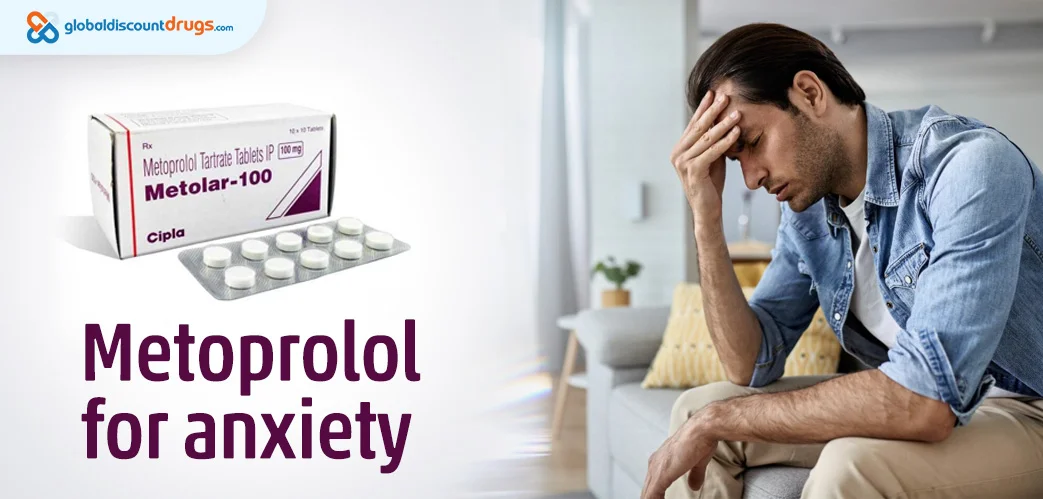
Metoprolol for Anxiety
Have you ever felt the heart hammering against the ribs before getting into a big presentation or felt the hand shaking so hard that you could not hold a pen. You might know that anxiety is not just "in your head." It is very much in the body.
While looking for complete relief, you can come across Metoprolol medicine. This is all about doctors prescribe this medication for heart conditions including high blood pressure or chest pain. However, this is about increasingly used "off labels" to help people in managing the physical side of anxiety.
The medicine Metoprolol is "cardio selective," which means it can mainly target the beta-1 receptors in the heart. Propranolol medication can affect receptors throughout the body. As of this, Metoprolol medication is sometimes preferred for people with mild breathing issues. While anyone with condition like asthma should still be very cautious with any beta-blocker.
You should never stop using the medicine Metoprolol "cold turkey." Doing so can lead to a sudden spike in blood pressure or heart rate. Always talk to your doctor about how to taper off safely.
What is Metoprolol?
Metoprolol medication belongs to the group of medicines known as beta-blockers. This is known to be the main job which is about acting as a shield for the heart. The medication when used shall block the effects of adrenaline on the cardiovascular system. While FDA approved to overcome conditions like hypertension (high blood pressure) and angina, doctors can at times, prescribe it for anxiety-like condition. This is also known as an off-label use. This is also a common and legal practice where the doctor can use a proven drug for some of the conditions that are not listed on that official label.How Does It Help with Anxiety?
It is also important to know just one thing: Metoprolol does not change your thoughts. It will not stop worrying about bills or jobs. Instead, this can be all about targets some of the physical symptoms of stress might come across. When you are anxious, the body can flood with adrenaline. This can all lead to:- A racing or pounding heart (palpitations).
- Trembling or shaking hands.
- Sweating.
- A "tight" feeling in the chest.
Metoprolol vs. Propranolol: What’s the Difference?
If you have all researched beta-blockers for anxiety, you must also see the name Propranolol. It can further be about "go-to" for performance anxiety. So, how can you compare Metoprolol medication?| Feature | Metoprolol | Propranolol |
| Selectivity | Selective (mostly affects the heart). | Non-selective (affects heart and lungs). |
| Best For | Physical symptoms + heart health. | Performance anxiety and stage fright. |
| Common Use | Hypertension and heart failure. | Migraines, tremors, and anxiety. |
Common Side Effects to Watch For
Some of the people are well tolerant to Metoprolol medicine, especially at the lower doses when it is used for anxiety. However, as it can slow things down, you can also feel "lag." The common side effects while using this medication include:- Fatigue: Feeling a bit more tired or sluggish than usual.
- Dizziness: Especially when standing up quickly.
- Cold Hands/Feet: The medicine can slightly lower circulation to the extremities.
- Dry Mouth or Eyes: Less common, but it can happen.
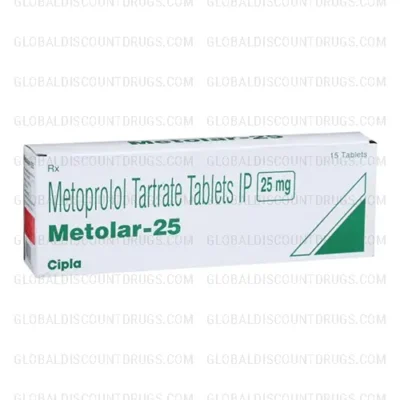
$0.33
per pill
Who Should Avoid Metoprolol?
As the medicine Metoprolol can affect the heart and blood flow, it is not right for everyone. It is vital to share the full medical history with your healthcare professional. You can be just extra careful if you have:- Asthma or Lung Issues: Even some of the selective beta-blockers can lead to conditions such as wheezing.
- Slow Heart Rate (Bradycardia): If your heart rate is corporately low, this med could drop it further.
- Diabetes: It can sometimes "mask" the signs of having conditions like low blood sugar (including a fast heartbeat).
- Severe Allergies: This can make it super hard for a medicine to work if you have a severe allergic reaction.
How to Take It for Anxiety
Unlike numerous anxiety medications (just like SSRIs) that one might have to take weeks before they work. This medication Metoprolol can start working quickly usually within 1 to 2 hours. For several "situational anxiety" including public speaking, who is a doctor might suggest taking a dose about an hour before the event. Simply, for generalized physical symptoms, they can prescribe a daily low-dose tablet. Metoprolol medicine is learned to be a powerful tool for silencing the physical "noise" of anxiety. This medication allows you to walk into a stressful room without the heart being drumming or voice trembling. However, as the anxiety is often a mix of physical feelings and mental patterns, Metoprolol medicine can work the best when it is part of a larger plan. This can further include therapy (like CBT), breathing exercises, or lifestyle changes. Are you experiencing any sort of physical symptoms of anxiety that can interfere with your daily life? It might be worth asking the doctor if a beta-blocker including Metoprolol can be a helpful addition to your toolkit. Disclaimer: The content on this page is not intended to substitute medical consultation, diagnosis, or treatment. Read our Editorial Content Policy for more details.
Editorial Standards
Content published on Global Discount Drugs is reviewed by healthcare professionals and supported by credible medical sources. Read our Editorial Content Policy to learn more.
