
Maximum Dosage Of Gabapentin For Nerve Pain
Gabapentin medicine is trusted as a prescription medicine which is commonly used for managing some types of nerve pain. When you might have been prescribed with gabapentin medicine. One might also wonder as to how much you can safely take and whether a higher dose will provide better pain relief.
For adults with conditions such as nerve pain, the usual gabapentin dosage can well range from 900 mg to 3,600 mg per day, which can also be divided into three doses. However, the right dosage is different for each person. Knowing that a higher dose is not automatically better, some people might also need a lower maximum dose as their health or other medicines can be taken care of.
The medicine of Gabapentin should only be enhanced as per the prescriber's instructions. So, you should never enhance the dosage on your own.
However, reaching 3,600 mg does not also mean that everyone should use this amount. There are many people who shall receive adequate pain relief at lower doses. Some of the clinical guidance notes that dosages above 1,800 mg cannot provide enough additional benefit to justify the greater risk of side effects for some patients.
The doctor can also aim for the lowest dose that provides enough pain relief with manageable side effects.
What Is Gabapentin Used For?
The medicine is an anticonvulsant solution, which was originally developed to help control seizures. This is also used for overcoming some types of nerve pain. Conditions such as nerve pain, which is also called neuropathic pain, can take place when nerves are highly damaged or irritated. This can also feel like burning, shooting, stabbing, tingling, or an electric shock which can occur. Other conditions like diabetes, shingles, or certain nerve injuries can cause this type of pain. The medicine Gabapentin is thought to lower the way pain signals travel through the nervous system. This does not work like common pain relievers like acetaminophen or ibuprofen.What Is the Maximum Dose of Gabapentin for Nerve Pain?
For adults, 3,600 mg per day is generally the highest dose used for nerve pain in standard dosing guidance. Hence, the total number is usually about divided into three dosages which can be taken throughout the day. For example, a healthcare professional can further prescribe gabapentin three times a day rather than having a person use the entire daily amount at once.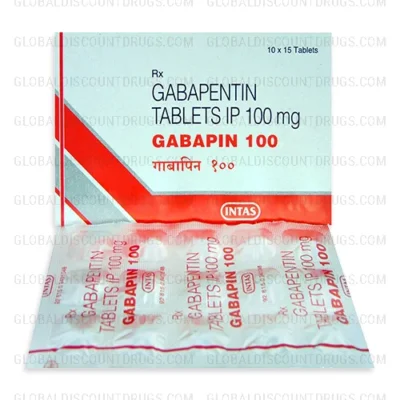
$0.37
per pill
Why Is Gabapentin Increased Slowly?
Doctors can usually start using the medicine at a low dose and enhance it gradually. This is known as dose titration. Starting with a smaller amount can also help the body to adjust that medicine, and this can lower the side effects noticeably. Depending on that response, the healthcare professional can enhance the dosage over several days or weeks. One should also not try to speed up such a process altogether. Taking more gabapentin medicine than prescribed does not guarantee faster or better pain relief. This can also enhance the chance of unwanted effects like sleepiness, dizziness, and problems with coordination.Does a Higher Dose Mean Better Pain Relief?
Not necessarily. The medicine Gabapentin can help in lowering nerve pain, but the amount that can work best shall all vary from person to person. There are also some of the people who might also experience good pain relief at those moderate doses, while others might also need a higher dose. There is also a point where enhancing the dosage can lead to more side effects without providing much additional benefit. This is why the healthcare professional might stop enhancing the dosage once you have reached a level that controls your symptoms adequately.Who May Need a Lower Maximum Dose?
People with conditions like kidney problems might also need a lower dose of gabapentin. The kidneys are to remove the medicine from the body. If your kidneys are not working well, this medicine can remain in the body for a longer time. This can enhance the risk of side effects. For several reasons, the doctor might further adjust the dosages that are based on kidney function. There are older adults and people who might be about being more sensitive to medicines might also need slower dose which can enhance or lower doses. When you might have some sort of kidney conditions, you might need to know that the doctor knows before your gabapentin dose is changed.What Happens If You Take Too Much Gabapentin?
Using more amounts of gabapentin than it is prescribed can all lead to some excessive conditions like sleepiness, dizziness, double vision, slurred speech, or loss of consciousness. On the other hand, if you think that you have used it a lot, seek urgent medical advice. Do not take an extra dose for making make up to those missed ones. Make sure that you follow complete instructions as provided by the prescriber or pharmacist. While you regularly forget to use doses, ask the pharmacist for ways to make the dosing schedule easier.Should You Stop Gabapentin Suddenly?
You should not stop gabapentin use suddenly without talking with the healthcare professional. Make sure to stop it abruptly as it can lead to withdrawal symptoms, like anxiety, difficulty sleeping, sweating, nausea, and pain. For people who are using gabapentin for epilepsy, sudden which can be about withdrawal as it can enhance the risk of seizures. This goes well if the treatment can need to end; the doctor can usually lower the dose gradually.How Long Does Gabapentin Take to Work for Nerve Pain?
The medicine does not usually provide immediate relief altogether. This can also take a few weeks to work fully. The doctor can gradually enhance the dosage during this period while monitoring the pain and side effects.
While your pain does not enhance after you might have reached an appropriate dose, speak to the healthcare professional rather than enhancing the dose altogether. Another medicine or solution approach can be quite suitable.The Bottom Line
The maximum commonly used daily dose of gabapentin for adult nerve pain is 3,600 mg. Usually this medicine is divided into three dosages. But this is not a target dosage for everyone. The appropriate dosage can also depend on factors like levelling up the pain, response to treatment, kidney function, age, and other medicines. Getting a lower dose can highly provide enough relief while causing some fewer side effects. When you are quite well unsure about the gabapentin dosage or think it is not controlling your nerve pain. Make sure you speak to the doctor or pharmacist. Never enhance, reduce, or stop gabapentin without any sort of professional guidance.- DailyMed – Gabapentin Capsules, Full Prescribing Information U.S. National Library of Medicine. https://dailymed.nlm.nih.gov/dailymed/drugInfo.cfm?setid=934244c6-243d-436e-ad6c-f7bd28e45a86 Supports dosing, postherpetic neuralgia indication, renal dose adjustment, adverse effects, tapering, and overdose information. (DailyMed)
- Wiffen PJ, Derry S, Bell RF, et al. Gabapentin for Chronic Neuropathic Pain in Adults. Cochrane Database of Systematic Reviews. 2017;6:CD007938. https://www.cochrane.org/evidence/CD007938_gabapentin-chronic-neuropathic-pain-adults Supports gabapentin use and studied dose ranges for chronic neuropathic pain. (Cochrane)
- National Institute for Health and Care Excellence (NICE). Neuropathic Pain in Adults: Pharmacological Management in Non-Specialist Settings. Clinical Guideline CG173. Published November 20, 2013; last updated September 22, 2020. https://www.nice.org.uk/guidance/cg173 Supports gabapentin as a treatment option for neuropathic pain and gradual withdrawal when treatment is stopped or changed. (Nice)
- NHS. About Gabapentin. National Health Service, UK. https://www.nhs.uk/medicines/gabapentin/about-gabapentin/ Useful for patient-focused information on nerve pain, how gabapentin works, common effects, and treatment expectations. (nhs.uk)
- U.S. Food and Drug Administration. Neurontin, Gralise, Horizant (Gabapentin) and Lyrica, Lyrica CR (Pregabalin): Drug Safety Communication – Serious Breathing Problems. Published December 19, 2019. https://www.fda.gov/safety/medical-product-safety-information/neurontin-gralise-horizant-gabapentin-and-lyrica-lyrica-cr-pregabalin-drug-safety-communication Supports safety warnings involving respiratory depression, opioids, other CNS depressants, and higher-risk patients. (U.S. Food and Drug Administration)
Editorial Standards
Content published on Global Discount Drugs is reviewed by healthcare professionals and supported by credible medical sources. Read our Editorial Content Policy to learn more.
