
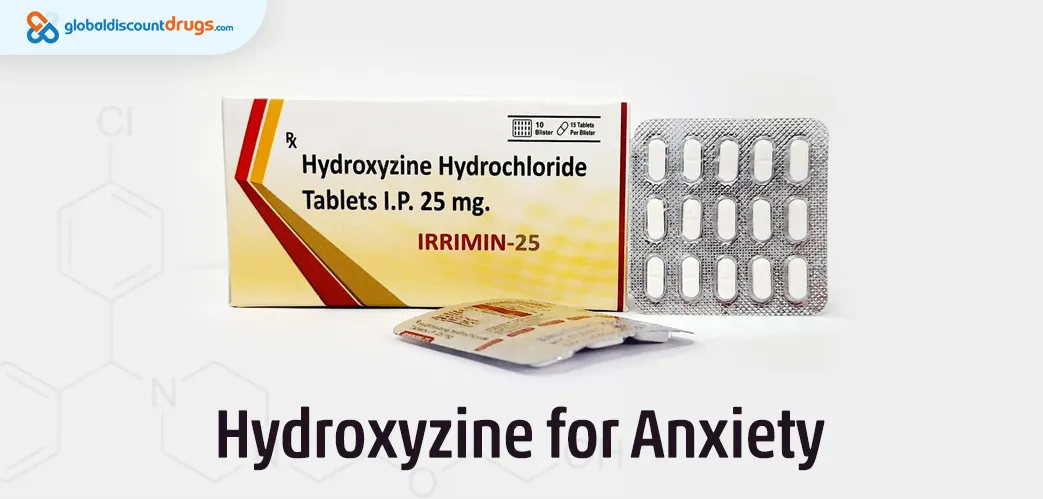
Hydroxyzine For Anxiety
Anxiety can be felt like an overwhelming weight. This is about making everyday tasks difficult to manage. Many people look for various ways to find relief and regain a sense of calm in the daily lives. One option about the healthcare providers sometimes recommend is a medication known as hydroxyzine.
It is normal to have questions about starting to use some new medications. Understanding what they are, how they might work, and what to expect can help in feeling confident in the healthcare journey. Here you can cover the basics of hydroxyzine to help in having an informed conversation with the doctor.
Because it is non-habit forming, some doctors shall prefer it over other types of anxiety medications which can carry a risk of dependency. This is typically intended to be a "bridge" or a short-term solution while you can work on other long-term coping strategies.
What Is Hydroxyzine?
Hydroxyzine medication is a prescription solution that belongs to a group of drugs called as antihistamines. While you might also know antihistamines for overcoming allergies or itching, they also might have properties which can help soothe the central nervous system. When the prescribed medicine helps in anxiety, it is generally used for short-term relief of tension and nervous symptoms. Know that it is not a permanent cure for anxiety disorders, but it can be a useful tool for helping to feel relaxed when you are going through stressful times.How It Works in the Body
The brain is known to use chemicals for regulating emotions and mood. Hydroxyzine medication is believed to work by blocking the effects of a substance in the body known histamine. By doing this, it can all help in calming the activity in areas of the brain. This action can all help in lowering feelings of nervousness and tension. Because it has a sedating effect, which can also help in feeling more at ease, especially while the anxiety can make it hard to focus or wind down.Common Uses for Anxiety
While doctors can further prescribe it for different reasons, which is often used for the below:- Managing acute symptoms of anxiety or tension like condition.
- Providing a calming effect before attaining medical procedures.
- Helping with sleep issues that are caused by excessive worry.
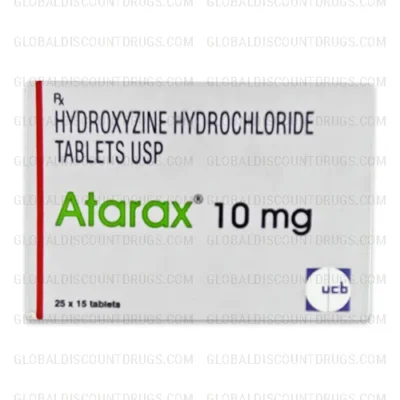
$0.61
per pill
Understanding Dosage and Administration
The right dose of any medication completely depends on the specific health needs and history. Your doctor will determine the amount which can be a safe deal for you and can be effective too. Never change the dosage without speaking to the healthcare provider first. Generally, for anxiety:- It is often used multiple times throughout the day, or as suggested by the doctor.
- Some people can take it on an "as-needed" basis when they might feel their anxiety levels rising.
- Consistency is key while the doctor has scheduled it at regular intervals.
Potential Side Effects
Just like any other medication, hydroxyzine can also lead to several side effects. Knowing what to watch can help manage such experiences safely. Most people find that side effects are mild and often go away as the body gets used to the drug. Common side effects may include:- Feeling drowsy or sleepy during the daytime.
- Experiencing a dry mouth.
- Feeling slightly dizzy, especially while standing up quickly.
- Occasional mild headaches.
Finding Long-Term Support
Getting help of medication is just one piece of the puzzle. However, managing anxiety can all work best when it is combined with other healthy habits. Many people find that a multi-faceted approach offers the most sustainable relief. Consider these complementary strategies:- Speaking with a therapist to learn some of the cognitive behavioral techniques can help.
- Practicing regular physical activity to help burn off nervous energy is of use.
- Maintaining a consistent sleep routine to support your mood.
- Using mindfulness or breathing exercises during moments of high stress.
Editorial Standards
Content published on Global Discount Drugs is reviewed by healthcare professionals and supported by credible medical sources. Read our Editorial Content Policy to learn more.
