
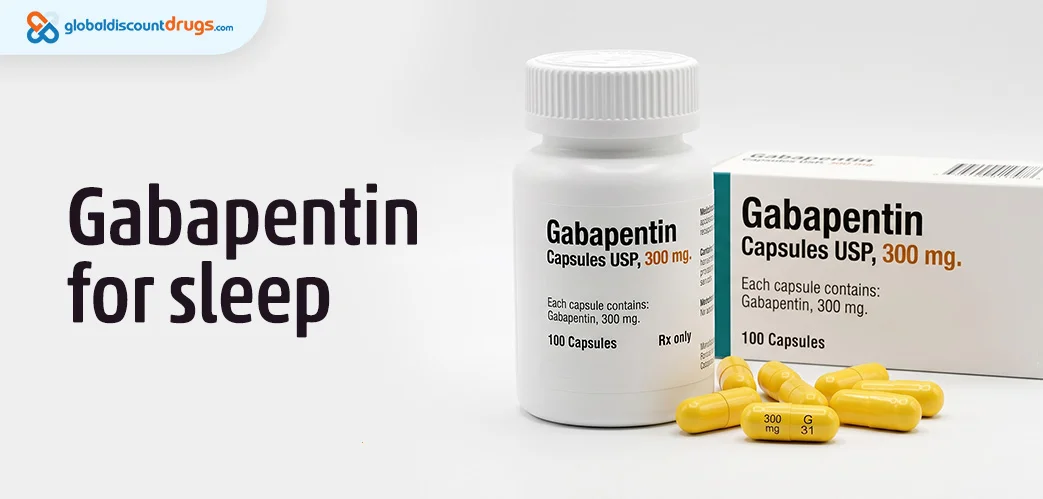
Gabapentin For Sleep
-
Written By:
Sarah Anderson
-
April 28, 2026
-
Medically Reviewed By
Dr. Nick I – General Practitioner & Medical Author
| Last Reviewed: April 28, 2026
People are usually seen struggling with getting a good night’s rest. While there are various lifestyle alterations including cutting out caffeine or setting up a regular bedtime do not work, you shall further investigate medication. The name that shall usually come up is Gabapentin medicine
While this was first made to overcome conditions such as seizures and nerve pain, some doctors can prescribe it "off label" for helping with sleep-like conditions. But is it the right choice for one? Let us all look at some of the facts.
What is Gabapentin?
Gabapentin medicine is trusted to be a prescription solution. This medication is officially approved by the FDA to overcome below condition:
- Postherpetic neuralgia (nerve pain post condition like shingles).
- Partial seizures (when it is used in combination with other medicines).
- Restless Legs Syndrome (RLS) (specifically the long-acting version known as Horizant).
Because the medicine Gabapentin can make one feel very sleepy, some doctors hence can suggest it for patients who have issues in staying asleep, especially if that trouble is caused by pain or restless legs like condition.
How Does It Help with Sleep?
The medication Gabapentin works by changing as to how the brain can send signals. It does not "knock you out" including some heavy sleeping pills. Instead, it can further help in increasing "slow-wave sleep," that is known to be the deep, restorative sleep your body needs to feel refreshed.
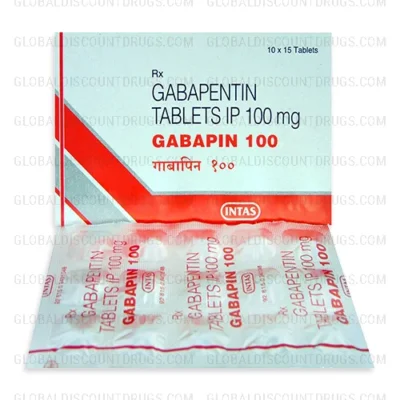
$0.37 per pill
As per the research, Gabapentin is usually helpful for better sleep when the patient can deal with conditions mentioned below:
- Chronic Nerve Pain: Burning or tingling which can help keep you up at night.
- Hot Flashes: The issue is just so common during menopause.
- Restless Legs: An uncontrollable urge for moving the legs.
Common Side Effects
Even though medicine is known to help you better sleep, it can lead to some side effects. Most of the side effects are mild, and they go away as your body gets used to the medicine.
Listed are some of the common side effects, they include:
- Dizziness: Feeling lightheaded while standing up.
- Drowsiness: Feeling "foggy" or sleepy the next morning.
- Coordination Issues: Feeling a bit clumsy or unsteady on the feet.
- Dry Mouth: A thirsty feeling that doesn't go away easily.
Is it Safe for Everyone?
Gabapentin is not a one-size-fits-all solution.
- Older Adults: People over 65 are recommended to be extra careful. Gabapentin can enhance the risk of falls or confusion in seniors.
- Kidney Health: Since the kidneys clear this medicine from the body, people with kidney conditions might need a much lower dose.
- Mood Changes: In rare cases, some people may feel depressed or might have some unusual mood swings.
The NHS notes that you should never stop using medicine for Gabapentin suddenly. Doing so that it can withdrawal symptoms including anxiety, sweating, or trouble sleeping the very thing you were trying to fix!
Understanding the Dosage
There is no standard "sleep dose" for Gabapentin as it is all used off label. The doctor will decide the amount based on your health history.
Often, doctors can start with a very low dose, like 300 mg taken once before bed. If that does not work, they might further slowly enhance it. The goal is usually to use the smallest amount which shall provide complete relief to avoid unnecessary side effects.
Helpful Tips for Better Sleep
Before one moves to prescription meds, medical experts can suggest "sleep hygiene" alterations. These are safe, natural, and free:
- Keep it Cool: The bedroom should be dark, quiet, and slightly cool.
- Limit Screens: The blue light from phones can simply trick the brain into staying awake.
- No Caffeine Late: Try to stop drinking coffee or soda by early afternoon.
Gabapentin medicine can be a helpful tool for sleep, especially when it is about pain or restless legs while the main issue stays. However, it is a powerful medication that requires a doctor's guidance.
Always be honest with your healthcare provider about other medications you are taking. Mixing Gabapentin with alcohol or certain painkillers (like opioids) can be very dangerous and cause breathing problems.
The most important step? Talk to your doctor. They can help you decide if Gabapentin is the safe and right path for your specific needs.
With over a decade of experience in pharmaceutical research and health communication, Sarah Anderson crafts trusted, accessible health content that helps readers make informed decisions.
Written By:
Sarah Anderson
April 28, 2026
Medically Reviewed By
People are usually seen struggling with getting a good night’s rest. While there are various lifestyle alterations including cutting out caffeine or setting up a regular bedtime do not work, you shall further investigate medication. The name that shall usually come up is Gabapentin medicine
While this was first made to overcome conditions such as seizures and nerve pain, some doctors can prescribe it "off label" for helping with sleep-like conditions. But is it the right choice for one? Let us all look at some of the facts.
Dr. Nick I – General Practitioner & Medical Author | Last Reviewed: April 28, 2026
What is Gabapentin?
Gabapentin medicine is trusted to be a prescription solution. This medication is officially approved by the FDA to overcome below condition:- Postherpetic neuralgia (nerve pain post condition like shingles).
- Partial seizures (when it is used in combination with other medicines).
- Restless Legs Syndrome (RLS) (specifically the long-acting version known as Horizant).
How Does It Help with Sleep?
The medication Gabapentin works by changing as to how the brain can send signals. It does not "knock you out" including some heavy sleeping pills. Instead, it can further help in increasing "slow-wave sleep," that is known to be the deep, restorative sleep your body needs to feel refreshed.$0.37 per pill
- Chronic Nerve Pain: Burning or tingling which can help keep you up at night.
- Hot Flashes: The issue is just so common during menopause.
- Restless Legs: An uncontrollable urge for moving the legs.
Common Side Effects
Even though medicine is known to help you better sleep, it can lead to some side effects. Most of the side effects are mild, and they go away as your body gets used to the medicine. Listed are some of the common side effects, they include:- Dizziness: Feeling lightheaded while standing up.
- Drowsiness: Feeling "foggy" or sleepy the next morning.
- Coordination Issues: Feeling a bit clumsy or unsteady on the feet.
- Dry Mouth: A thirsty feeling that doesn't go away easily.
Is it Safe for Everyone?
Gabapentin is not a one-size-fits-all solution.- Older Adults: People over 65 are recommended to be extra careful. Gabapentin can enhance the risk of falls or confusion in seniors.
- Kidney Health: Since the kidneys clear this medicine from the body, people with kidney conditions might need a much lower dose.
- Mood Changes: In rare cases, some people may feel depressed or might have some unusual mood swings.
Understanding the Dosage
There is no standard "sleep dose" for Gabapentin as it is all used off label. The doctor will decide the amount based on your health history. Often, doctors can start with a very low dose, like 300 mg taken once before bed. If that does not work, they might further slowly enhance it. The goal is usually to use the smallest amount which shall provide complete relief to avoid unnecessary side effects. Helpful Tips for Better Sleep Before one moves to prescription meds, medical experts can suggest "sleep hygiene" alterations. These are safe, natural, and free:- Keep it Cool: The bedroom should be dark, quiet, and slightly cool.
- Limit Screens: The blue light from phones can simply trick the brain into staying awake.
- No Caffeine Late: Try to stop drinking coffee or soda by early afternoon.
With over a decade of experience in pharmaceutical research and health communication, Sarah Anderson crafts trusted, accessible health content that helps readers make informed decisions.