

Doxycycline For Tooth Infection
A toothache is rarely just a "sore tooth." Usually, about throbbing pain is a signal from the body that be the bacteria while having residence where they do not belong. When a dental infection sets in, the dentist might reach for a prescription pad and write a script for Doxycycline medication.
While there are many people that are seen to be associated with Doxycycline medication with skin issues or travel-related illnesses. This is heavy hitter in the world of dental health. Here is a clear look at how this medication can work, why it is chosen, and what one must expect if you are taking it for a tooth infection.
What is Doxycycline?
Doxycycline medication belongs to the class of medicines known as tetracycline antibiotics. The primary job of this medication is to simply restrict the bacteria from growing. In the medical world, it is called as a "broad-spectrum" antibiotic. This medicine also means that it can fight a wide variety of different bacteria at once. When you have some sort of tooth infection if it is about a periapical abscess (at the root) or some sort of periodontal infection (in the gums) bacteria that is actively multiplying. Doxycycline medication can enter the scene and interferes with the bacteria's ability to produce those essential proteins. Without such proteins, the bacteria just cannot grow or spread. This act can allow the immune system to step in and finish the job.Why Do Dentists Prescribe Doxycycline?
You can simply wonder as to why a dentist chooses Doxycycline over more common options including Penicillin or Amoxicillin. There are some three main reasons mentioned below:- Effectiveness Against Gum Disease: Doxycycline medication is unique as it does not just kill bacteria. This is also about inhibiting some enzymes (collagenase) which can destroy gum tissue and bone. This makes it a gold standard for treating periodontitis.
- Penicillin Allergies: For patients who might break out in hives or shall have some issues while breathing, it can take penicillin-based drugs, Doxycycline medication is a safe and effective alternative.
- Deep Tissue Penetration: Doxycycline medication is good at getting into the "pockets" of the gums and the bone structure which can also surround the teeth, where many of the infections shall hide.
How to Take Doxycycline for the Best Results
Antibiotics are known to be highly powerful tool, but they work best when it is used well. If the dentist can prescribe Doxycycline medication, keep such "golden rules" in mind:- Finish the Entire Bottle: Even when the tooth might stop hurting after two days, the bacteria can still exist. When you shall stop early, the strongest bacteria survive and it can be resistant to this medication.
- Watch the Clock: Try to use the dosages at the same time every day for keeping a steady level of medicine in the bloodstream.
- Stay Upright: Do not lie down for approx. 30 minutes after taking the dosage. This can help in preventing irritation in the oesophagus (the tube that is well connected to the throat and the stomach).
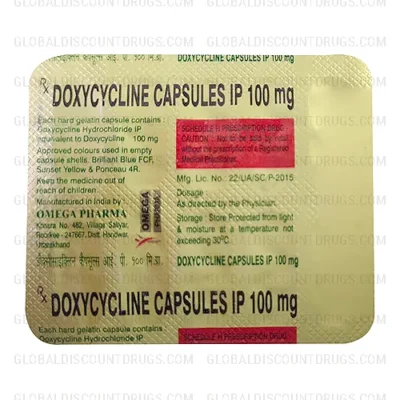
$1.06
per pill
Potential Side Effects and Considerations
Just like all medications, Doxycycline can lead to several side effects. Most of them are mild, but it is good to know what to watch for.- Upset Stomach: Try using it with food but avoid dairy (milk/cheese) for approx. 2 hours.
- Sun Sensitivity: Use SPF 30+ and stay in the shade.
- Mild Diarrhea: Drink plenty of water; while considering a probiotic after finishing the course.
A Note on Dairy and Iron:
Calcium (it is found in milk, yogurt, and cheese) and some of the iron supplements can "bind" to Doxycycline solution in the stomach. This can help in preventing the body from absorbing the medicine. It is highly recommended to take Doxycycline 1 to 2 hours before or after using those dairy products.Why You Cannot Ignore a Tooth Infection
It is tempting to hope a toothache one shall go away on its own, but dental infections are persistent. Just like a cold, a tooth infection usually Will not clear up without intervention. As per some known clinics, an untreated abscess can lead to a severe, life-threatening condition known as sepsis, where the infection is spreader through the bloodstream. While using the medication Doxycycline, it is usually about one part of the solution. The dentist can also need to perform a root canal or a deep cleaning (scaling and root planning), further, to remove the source of the bacteria. The medication Doxycycline is a reliable, time-tested antibiotic which is known to help many people find relief from painful dental infections. Further on following the dentist's instructions, which can avoid dairy near your dose time, and finishing the full course, you can simply get back to a pain-free smile. If you suspect you have a tooth infection keep looking for swelling, fever, or a persistent bad taste in your mouth. You need to contact a dental professional immediately. Antibiotics are effective, but early treatment is always the best path to recovery. Disclaimer: The content on this page is not intended to substitute medical consultation, diagnosis, or treatment. Read our Editorial Content Policy for more details.
Editorial Standards
Content published on Global Discount Drugs is reviewed by healthcare professionals and supported by credible medical sources. Read our Editorial Content Policy to learn more.
