

Does Gabapentin Cause Weight Gain
When the doctor has prescribed gabapentin medicine, you might have questions about its side effects. You tend to know whether it can cause weight gain. This is a fair concern many might come across. Weight alterations can affect health, confidence, and day-to-day life. Further, break down what the research says, what you can expect, and what you can do about it.
Gabapentin medicine shall work by further calming overactive nerve signals in the brain and nervous system too. While this condition is well helpful for numerous people, it does come with a list of possible side effects and weight gain is one of them.
Know Gabapentin
Gabapentin medication is a prescription solution that is approved by the U.S. Food and Drug Administration (FDA) to treat:- Epilepsy (specifically condition like partial seizures)
- Postherpetic neuralgia nerve pain which follows a shingles outbreak
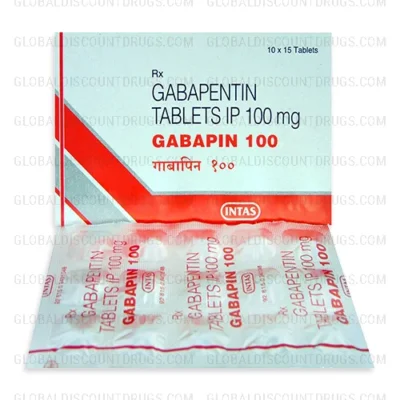
$0.37
per pill
So, Does Gabapentin Cause Weight Gain?
Yes, it can. Weight gain is a recognized side effect of gabapentin medicine. In those clinical trials for epilepsy, approx. 2 to 3% of patients reported with weight gain. However, studies have a longer-term use that have all suggested the numbers which can be higher in real-world settings. According to the FDA prescribing information for Neurontin, which shall be weight gain was observed in both adult and paediatric patients during some of the clinical studies. Weight gain from gabapentin tends can be about gradual rather than sudden. Most of the people notice changes after several weeks or months of usage.Why Does Gabapentin Cause Weight Gain?
There are absolutely no single reasons. Several factors might be at play:-
Increased Appetite
-
Fluid Retention
-
Fatigue and Reduced Activity
-
Metabolic Changes
How Much Weight Can You Expect to Gain?
It can further vary from person to person. Know that some people can gain a few pounds; others can gain more. A study that is published in the journal Epilepsy & Behaviour found that long-term gabapentin users can be more likely to experience weight gain compared to take some other medicines for similar conditions. Factors that may increase your risk include:- Higher doses of medicine gabapentin
- Longer duration of use
- Pre-existing conditions like diabetes or thyroid disorders
- A sedentary lifestyle
What Can You Do About It?
When you are further concerned about weight gain while taking gabapentin, below ar some of the practical steps to consider:Talk to Your Doctor First
Never stop or adjust your gabapentin dose on your own without consulting the doctor. Stopping some sort of sudden trigger seizures or other serious reactions. Make sure that you speak with the healthcare provider before making any changes. Your doctor may be able to:- Adjust the dosage as per health
- Switch you to a different or lower dosage medication
- Recommend a referral to a dietitian or physical therapist
Monitor The Weight Regularly
Keeping track of the weight weekly not daily and it can help in spot patterns early. Sudden or significant weight alteration is to be reported to the doctor.Stay as Active as You Can
Even some of the light activity including short walks, gentle stretching, or swimming can make a difference. When the medicine gabapentin make you feel drowsy, try exercising at a time of day when the energy is at its best usually in the morning before taking your dose.Eat Mindfully
If you notice any sort of enhanced hunger, try eating more fibre-rich foods like vegetables, legumes, and whole grains. Such help about the feel full without adding too many extra calories. Limit such processed snacks and it can easily help in eating mindlessly.Watch for Swelling
If you notice puffiness in the legs or ankles, allow the doctor to know about the same. This may be fluid retention rather than fat gain, and this can also be managed well with proper dietary changes or other solutions being managed well.Gabapentin and Weight Gain in Special Populations
Children
Gabapentin-related weight gain can also be reported in children. Parents are to monitor their child's growth and weight well. Also discuss any concerns with the paediatrician as soon as possible.Older Adults
Seniors can be super sensitive to gabapentin's side effects, like fatigue and fluid retention. Falls can further be about some severe risk when dizziness occurred. Weight gain in older adults can further put extra strain on the joints.People With Diabetes
If you have condition of diabetes, weight changes need extra attention since they can affect blood sugar control as whole. Keep the care team informed.When Should You Call Your Doctor?
Consult the doctor if you experience:- Rapid or unexplained weight gain (which is just more than 5 pounds in a week)
- Noticeable swelling in your hands, feet, or face
- Shortness of breath along with swelling
- Worsening fatigue that limits your daily activities
Editorial Standards
Content published on Global Discount Drugs is reviewed by healthcare professionals and supported by credible medical sources. Read our Editorial Content Policy to learn more.
