
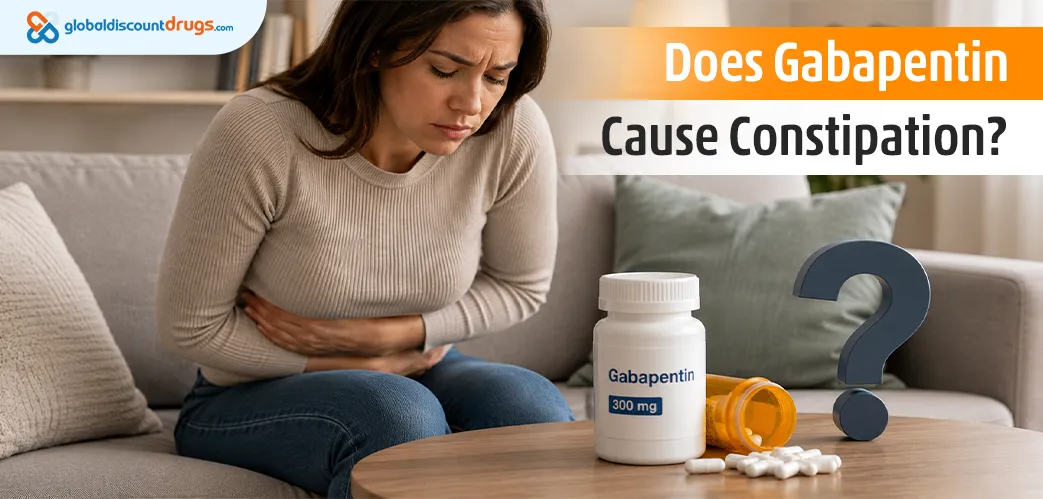
Does Gabapentin Cause Constipation
When you are recently prescribed the medicine gabapentin and might have also noticed the digestive system slowing down. Know that you are not imagining it. Struggling with conditions such as some bowel movements and this can be quite well uncomfortable, frustrating, and even painful. This is all about completely natural wondering when the new medication is to blame.
The short answer to this question is yes, gabapentin can cause constipation. However, it is also not some of the most common side effects while using this medicine. Understanding as to how the medicine gabapentin affects the body as it can help you handle some of the symptoms to be safe without stopping a medication that is extensively needed.
The gut relies on a steady rhythm of automatic muscle contractions called peristalsis, which is to push food and waste through the intestines. As the gabapentin dampens nerve activity, this can also slow down some of the natural gut contractions. When waste moves can be more about being slowly through the colon, the body can also absorb more water from it. The result is just so harder, a dry stool, which is harder to pass.
How Common Is Constipation with Gabapentin?
The medicine Gabapentin is an anticonvulsant solution altogether. Doctors can commonly prescribe it for managing some partial seizures, restless legs syndrome, and nerve pain. This is all about having some burning or shooting pain that is well caused by shingles or diabetes. When the doctors are to look at overall side effects, they include drowsiness and dizziness usually top the list. However, constipation is considered a less frequent side effect.Why Does Gabapentin Slow Down Your Digestive System?
For further understanding as to why gabapentin medicine can lead to condition of constipation, it can all help in knowing how the medicine works in the nervous system. Gabapentin medicine does the job well by working on calmness overactive nerve signals in the brain and the spinal cord. This calms nerve pain and it also helps in preventing seizure activity. However, the digestive tract is also packed with nerves.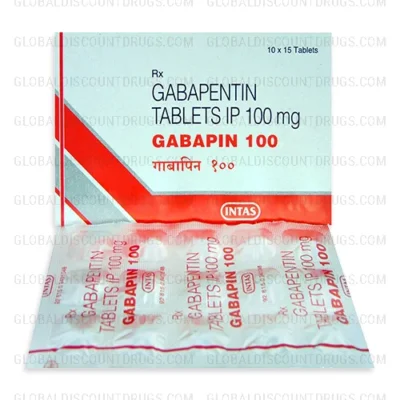
$0.37
per pill
Factors That Increase Your Risk
Not everyone on medicine gabapentin can get constipated, but there are some of the factors that can make it much more likely:- Higher Doses: Higher daily amounts of medicine gabapentin are more likely to slow down the gut when compared to lower starter doses.
- Combining with Opioids: Using the medicine of gabapentin alongside opioid pain medications drastically enhances the risk of condition such as severe constipation.
- Low Fluid or Fiber Intake: When you are not drinking enough water or eating enough fiber, the digestive system is already at a disadvantage. Medicine can tip the balance.
- Pre-existing Conditions: Conditions including irritable bowel syndrome (IBS) or a naturally sluggish bowel can make one more sensitive to the drug's effects.
- Older Age: Some of the Digestion naturally slows down as we age, hence, making older adults prone to medication-related changes in bowel habits too.
Signs You Might Be Experiencing Medication-Related Constipation
Constipation like condition is not just about missing a single day in the bathroom. As per medical resources, one might also deal with constipation if one might notice.- Having fewer than three bowel movements, which shall occur in a week.
- Passing hard, dry, or conditioning like lumpy stools.
- Straining or feeling pain while going under those bowel movements.
- Feeling one might not completely empty the bowels.
- Persistent bloating, stomach tightness, or some sort of mild abdominal cramps.
Safe Ways to Get Relief
When the medicine gabapentin is slowing down the digestion, you do not necessarily have to suffer through it. There are some simple habits that can often get things moving again; they are.-
Drink Plenty of Fluids
-
Gradually Increase Dietary Fiber
-
Move Your Body
-
Talk to Your Pharmacist About Stool Softeners
When to Seek Medical Attention
While mild constipation is just so common and manageable. There are also severe bowel blockages as it can become medical emergencies. You need to consult the doctor as soon as possible if you experience it.- Severe, sharp, or condition worsening stomach pain.
- Unexplained issues like nausea or vomiting.
- Inability to pass gas or stool for many days.
- Visible blood in your stool or rectal bleeding.
Do Not Stop Taking Gabapentin Abruptly
When you need to suspect gabapentin, medicine is constipating you constipate, do not stop taking the medication suddenly. Stopping gabapentin cold turkey can help in leading to dangerous withdrawal symptoms. This includes rebound seizures, severe anxiety, insomnia, and sweating. If lifestyle alterations do not help, the doctor can safely lower dosage, which can suggest a gentle treatment plan, or switch you to an alternative medication.References:
- DailyMed – NEURONTIN (Gabapentin) Prescribing Information https://dailymed.nlm.nih.gov/dailymed/drugInfo.cfm?setid=97935fd9-1d4a-43b6-a5d9-de994591187b Supports gabapentin indications, constipation as an adverse effect, opioid-related warnings, and abrupt discontinuation precautions. (DailyMed)
- MedlinePlus – Gabapentin Drug Information https://medlineplus.gov/druginfo/meds/a694007.html Supports patient-facing information on gabapentin uses, side effects, and precautions about stopping treatment. (MedlinePlus)
- NIDDK – Symptoms & Causes of Constipation https://www.niddk.nih.gov/health-information/digestive-diseases/constipation/symptoms-causes Supports constipation symptoms, medication-related causes, and warning signs such as vomiting, abdominal pain, bleeding, and inability to pass gas. (NIDDK)
- NIDDK – Treatment for Constipation https://www.niddk.nih.gov/health-information/digestive-diseases/constipation/treatment Supports increasing fiber and fluids, regular physical activity, bowel habits, and medical treatment options. (NIDDK)
- NIDDK – Eating, Diet & Nutrition for Constipation https://www.niddk.nih.gov/health-information/digestive-diseases/constipation/eating-diet-nutrition Supports gradual fiber intake, adequate fluids, whole grains, legumes, fruits, and vegetables for constipation management. (NIDDK)
Editorial Standards
Content published on Global Discount Drugs is reviewed by healthcare professionals and supported by credible medical sources. Read our Editorial Content Policy to learn more.
